The Story
Why it exists.
The beginning
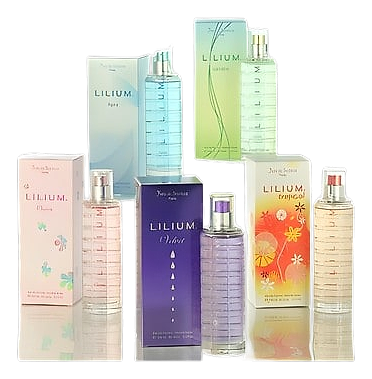
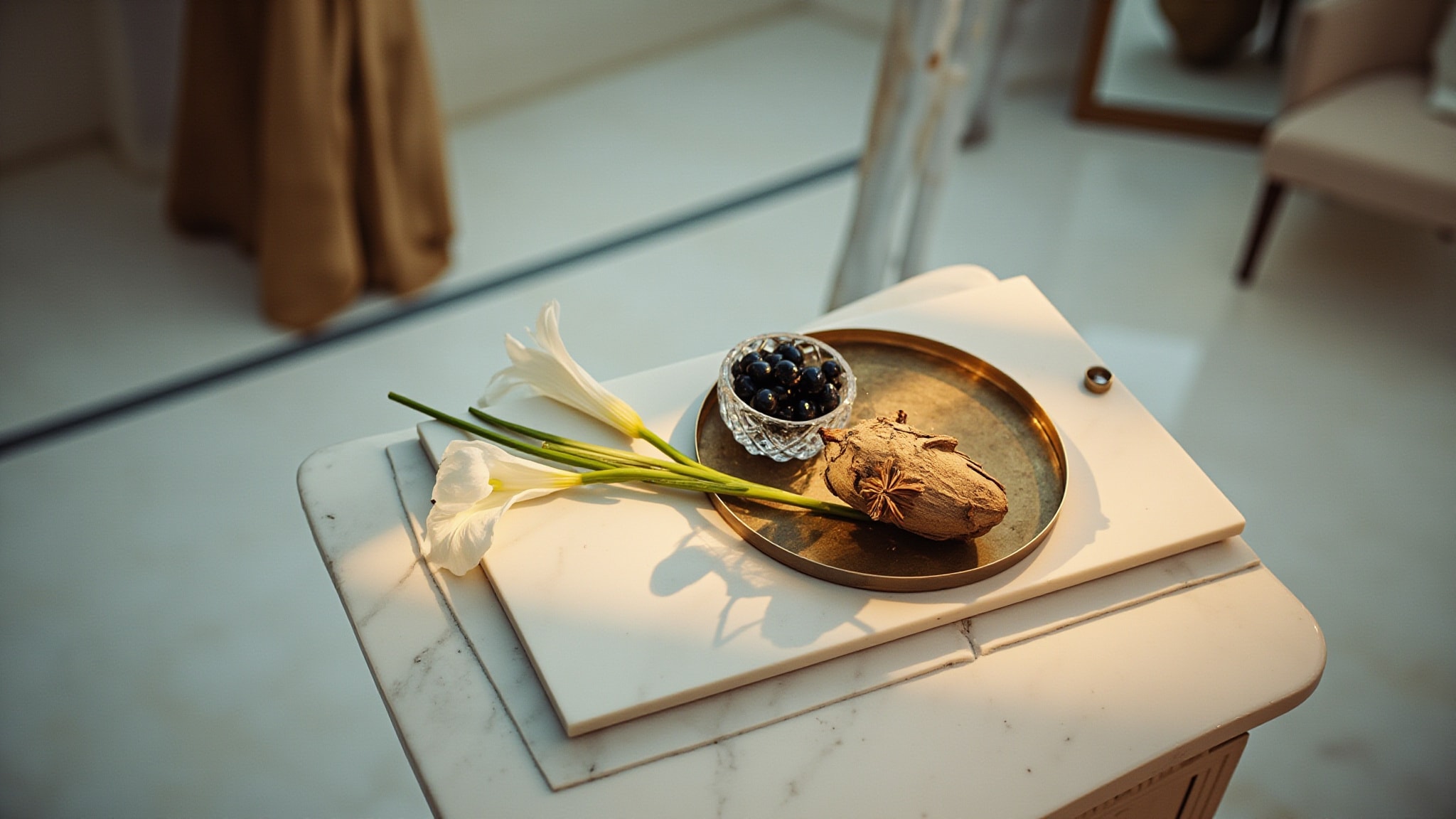
Lilium Garden sits inside Yves de Sistelle's catalog of evocative, story-driven compositions, the kind designed to transport rather than merely accessorize. The name calls up a lily garden in full bloom, an image of white petals and green stems opening under soft light. The brand, identified as French through its parent company Sociéte Parisienne de Parfums et Cosmétiques, has built its identity around this kind of accessible fantasy, fragrances that wear like a small invitation to somewhere romantic. Lilium Garden leans into that brief with its floral heart wrapped in something sharper, a licorice-anise opening that keeps the garden from feeling precious.
What's interesting here is the decision to lead with licorice and anise instead of the lily itself. The brand skipped the obvious green-floral opening and chose something confectionery and dark, a note that pulls the composition toward something edible before the flowers arrive. That move gives the composition a split personality: sweet and spiced at the top, then powdery and floral at the heart, then warm and balsamic underneath.
The evolution
The first ten minutes belong entirely to licorice and anise. The combination reads almost edible, a sweet black-licorice pastille dusted with something sharper, the anise pulling the sweetness sideways into herbal territory. There's a candied quality to the opening, the kind of sweetness that sits at the edge of savory, and it lingers on the skin with a faintly cool lift. Jasmine arrives quietly around the fifteen-minute mark, not so much replacing the licorice as softening it, wrapping the sweetness in white-floral skin. Violet joins the conversation next, and the whole composition tilts powdery, like face powder tapped over warm skin. Hawthorn adds a subtle presence underneath, threading through the florals with a faint green-fruital edge.
Cultural impact
Lilium Garden carries the kind of romantic naming that Yves de Sistelle has built a reputation around, and the licorice-anise opening sets it apart from the typical powdery floral. There's something slightly unusual in that first impression, a herbal-sweet edge that doesn't quite fit the expected lily-and-violet template, and it's that contrast that gives the composition its personality without crossing into niche territory.