The Story
Why it exists.
The beginning
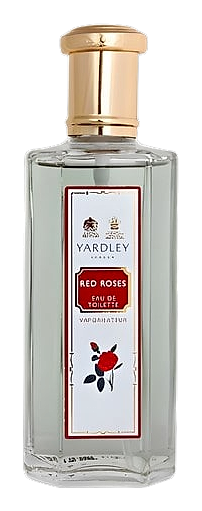
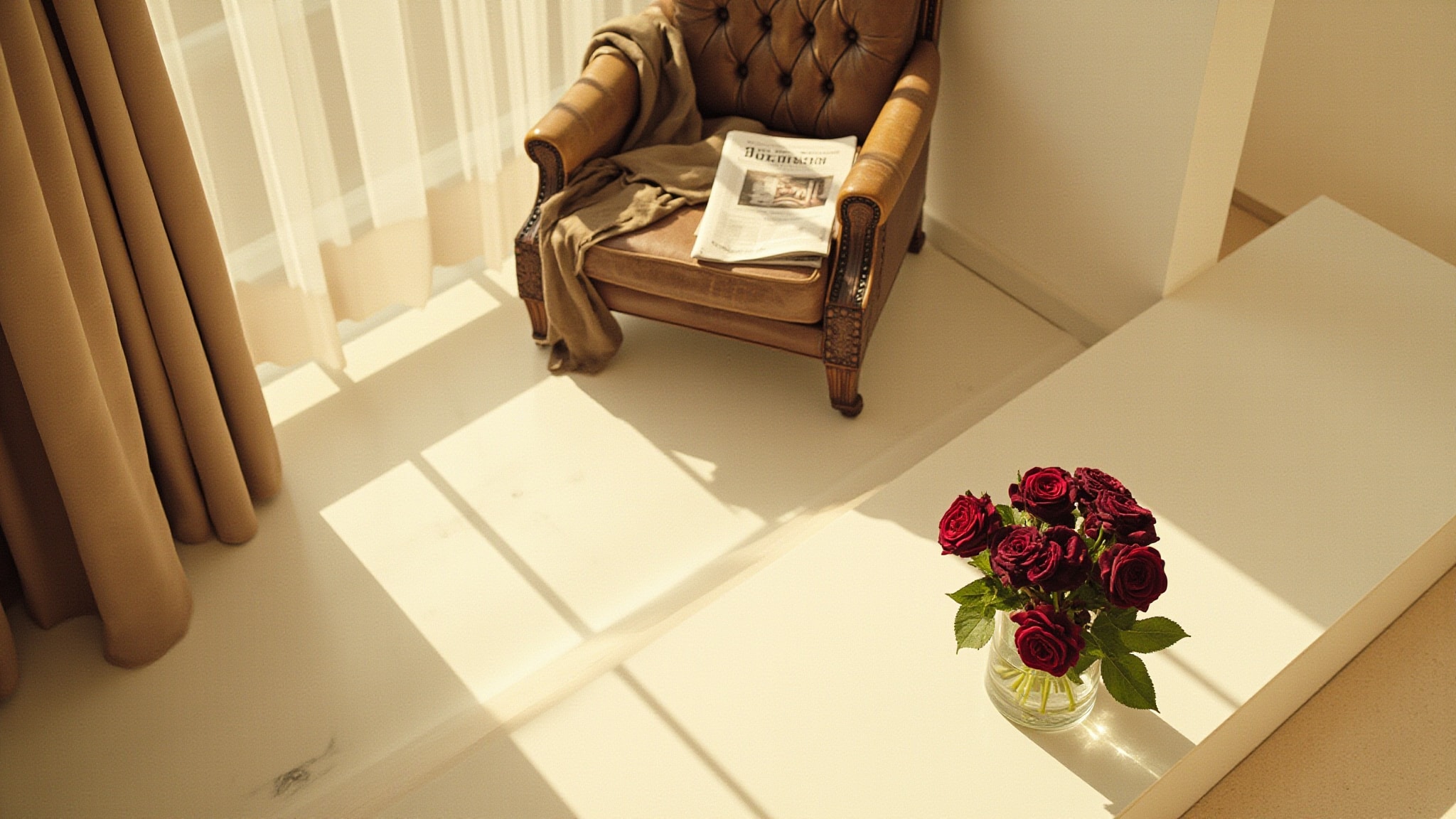
Red Roses arrived during the 1930s, a decade when rose soliflores commanded serious attention from British perfumers. Yardley wanted to capture something specific: not a single rose, but the idea of roses. A bunch gathered fresh, stems still holding their green resilience, petals luminous and alive. The brief was romantic and restrained. The result was a fragrance that refused excess. No fanfare in the opening. No theatrics in the drydown. Just roses, presented correctly. The decade rewarded composure in its fragrances, an investment in beauty as something proper and enduring. Yardley built Red Roses for that sensibility, and for every moment since that has quietly agreed that less, done well, is more.
What makes Red Roses notable isn't complexity. It's the restraint. The pyramid is clean, rose and neroli at the top, rose returning in the heart alongside jasmine and lilac, sandalwood and amber anchoring the base. No fussy transitions. No surprising drydown twist. Instead, there's a slightly dark rose quality running through the heart that keeps it from being saccharine. The jasmine adds cream. The lilac adds powder. Together, they build a rose that smells like the flower itself, not like rose-flavored anything.
The evolution
The opening is immediate. Rose and neroli arrive together, the daisy giving a green freshness that makes the rose smell dewy rather than sweet. It reads like morning light on petals. That phase holds for a while, bright and pretty. Then the heart takes over. Jasmine and lilac layer into the rose, adding body and cream. The fragrance doesn't transform so much as deepen, a slight darkening, a gaining of weight. This is still unmistakably a rose, but it's a rose with substance now, not just petals. The drydown is quiet. Sandalwood and amber arrive softly, warming the skin rather than announcing themselves. After several hours, Red Roses becomes intimate and close, present only if someone is already near you. On fabric, it lingers longer, the rose note holding onto cotton and linen with the stubbornness of something that belongs there. What surprises isn't the power. It's the honesty.
Cultural impact
Red Roses endures in the memories and vanity tables of those who encountered it decades ago. The slightly dark rose quality distinguishes it from the pink-sweet rose interpretations that dominate the modern market. For collectors of vintage English fragrances, it represents something particular: the idea that a rose can be proper, slightly melancholic, and still utterly pretty. The fragrance captures a certain English sensibility, one that values restraint and botanical truth over dramatic gesture. Its enduring presence in the vintage fragrance community speaks to a persistent appreciation for rose done with honesty and depth.