The Story
Why it exists.
The beginning
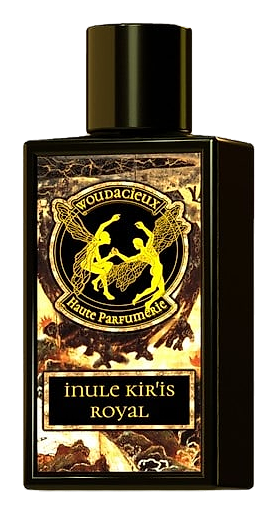
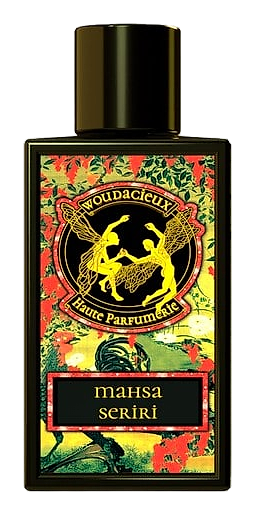
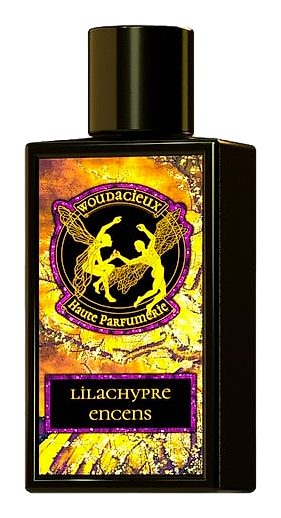
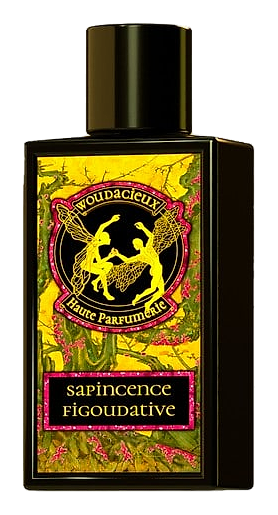
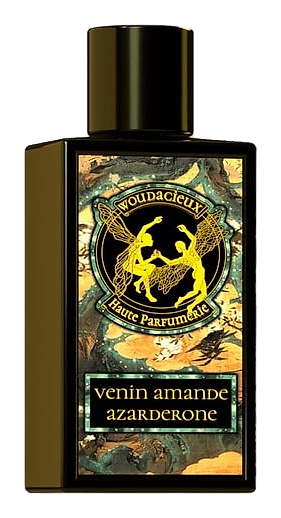
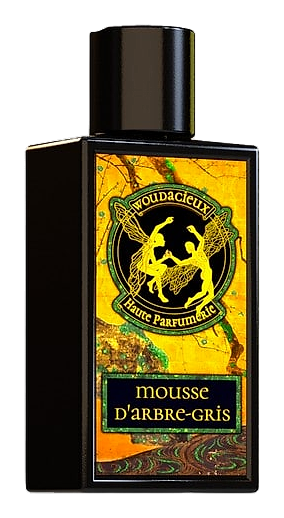
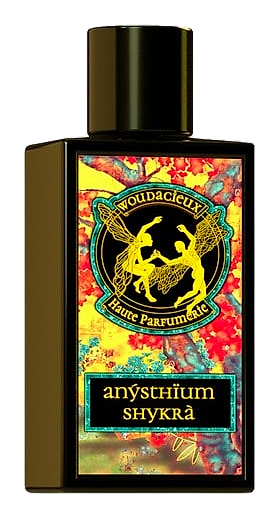
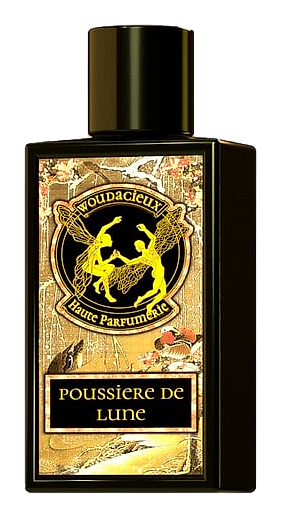
The name Poussiere de Lune carries the language of moonlight, and the composition itself pulls toward the forest floor, an unexpected counterpoint that defines the whole. Woudacieux, a house based in Paris, describes this scent as an homage to the perfume era of the 1980s, a decade when green compositions and animalic musks held real presence in the canon. Moon Dust takes that grammar and renders it in a quieter key, keeping the green bite and the animalic warmth but turning the volume down just enough to let the individual notes breathe. The result feels neither nostalgic nor retro, but rather like a composition that learned from that period and is now speaking in its own voice.
What makes this composition unusual is the geographic spread in the raw materials, assembled without ever losing coherence. Himalayan corn mint, New Zealand blackcurrant, Chilean plum, Turkish galbanum up top, layered against orchid, narcissus, French cypress in the heart, and grounded by Spanish oakmoss, Argentinian palo santo, Eastern arborvitae, Indonesian patchouli, and synthetic deer musk at the base. The corn mint does real work here, not just a fleeting accent.
The evolution
The first ten minutes belong to the cold side. Galbanum and corn mint arrive first, sharp enough to taste, with blackcurrant and plum humming underneath like low voltage. Around the twenty-minute mark, the chill softens. Narcissus steps forward with its brooding honeyed-green density, and the orchid adds a creamy, almost waxy backbone that the opening had no patience for. French cypress threads through, giving the heart a dry, resinous backbone that keeps everything upright. Then the base takes over, and this is where Poussiere de Lune earns its reputation. Oakmoss lands heavy, animalic, almost earthy-dank, but the palo santo and thuja push it toward something more sacred-smoking than dirty. The deer musk wraps it up with a soft, warm, slightly sweet undertone that stays close to skin.
Cultural impact
Poussiere De Lune occupies a distinctive place within the niche landscape, a green-forward composition built around an unusual tension between cold, sharp aromatics and deep, animalic warmth. The scent's commitment to keeping the Turkish galbanum raw and unsoftened, rather than cushioning it with the gourmand notes that dominate so much contemporary niche perfumery, gives it a recognizable profile that sets it apart from most launches in its category. The cool, almost metallic quality of the mint-topped opening, paired with the dark fruit sweetness underneath, creates a contrast that reads as deliberate and considered rather than accidental.