Thuja
Thuja leaf oil delivers a crisp, resinous aroma reminiscent of fresh cedar forests, blending green pine freshness with subtle balsamic warmth and a hint of herbal spice, making it a versatile accent in modern and classic compositions.
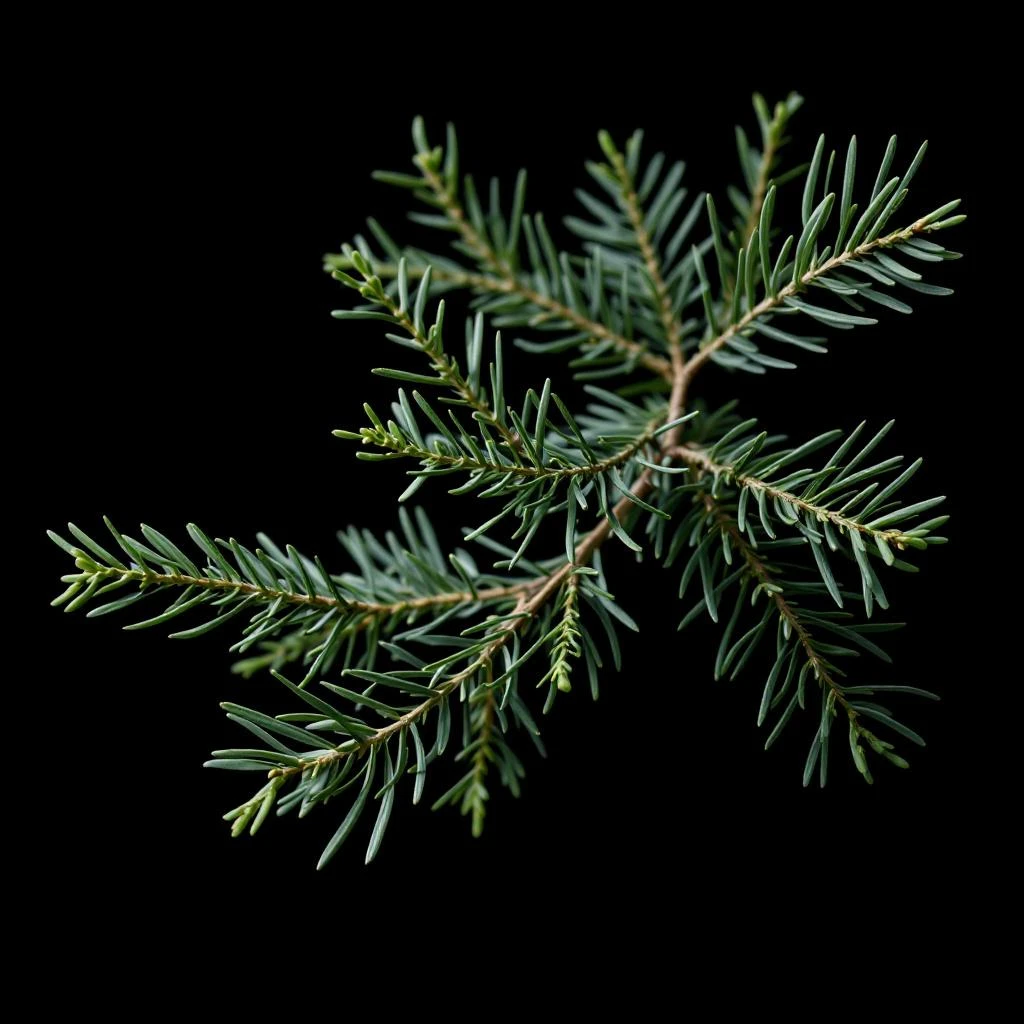
Character
How it smells
Nature’s crisp cedar, captured in a leaf.
Thuja oil is steam-distilled from the foliage, not the wood, and its primary aroma molecule, thujone, also appears in sage and contributes to its distinctive sharp edge.









Origin
Canada
Thuja has long stood at the crossroads of tradition and craft. Indigenous peoples of North America used the aromatic foliage in ceremonial smudges, believing it to cleanse both space and spirit. European settlers, encountering the towering white cedar, recorded its scent in early botanical journals of the 1700s, noting its similarity to true cedar yet with a sharper, greener edge.
By the late 19th century, perfumers in France began experimenting with Thuja leaf oil, admiring its ability to brighten woody accords without overwhelming them. The oil found a niche in classic chypre structures, where its crispness lifted the heavier base notes. In the 20th century, the rise of natural perfumery revived interest in Thuja, positioning it as a bridge between heritage and contemporary scent design.
Today, the ingredient appears in niche fragrances that celebrate forest landscapes, honoring its historic role as a scent of resilience and renewal.
Wears it best
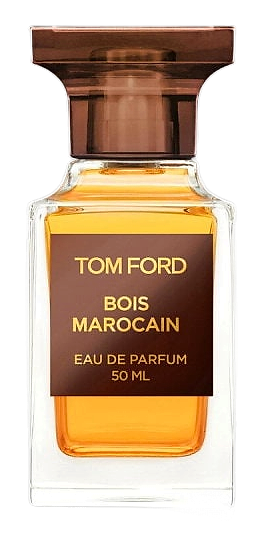
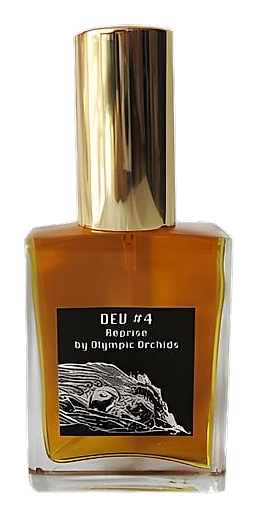
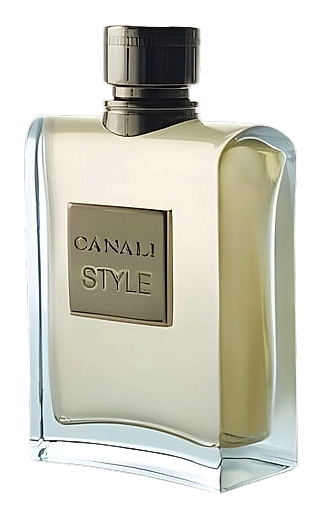
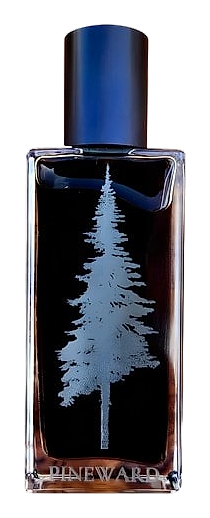
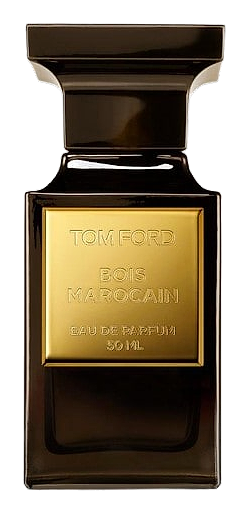
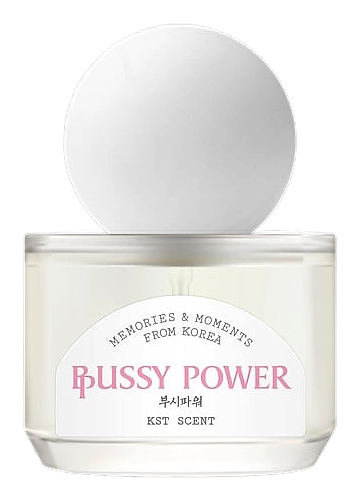
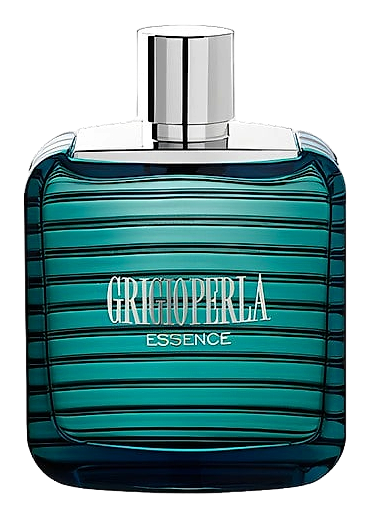
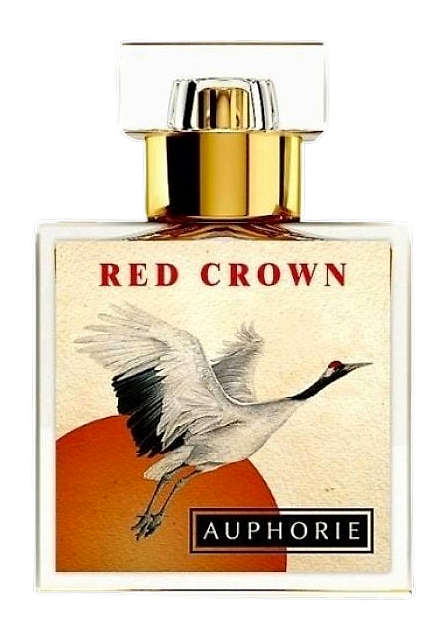
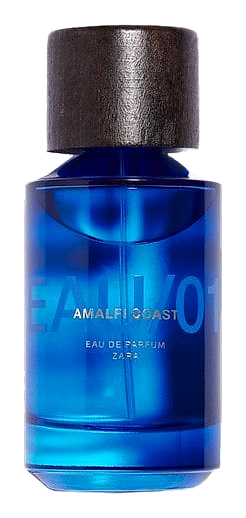
Fragrances featuring Thuja
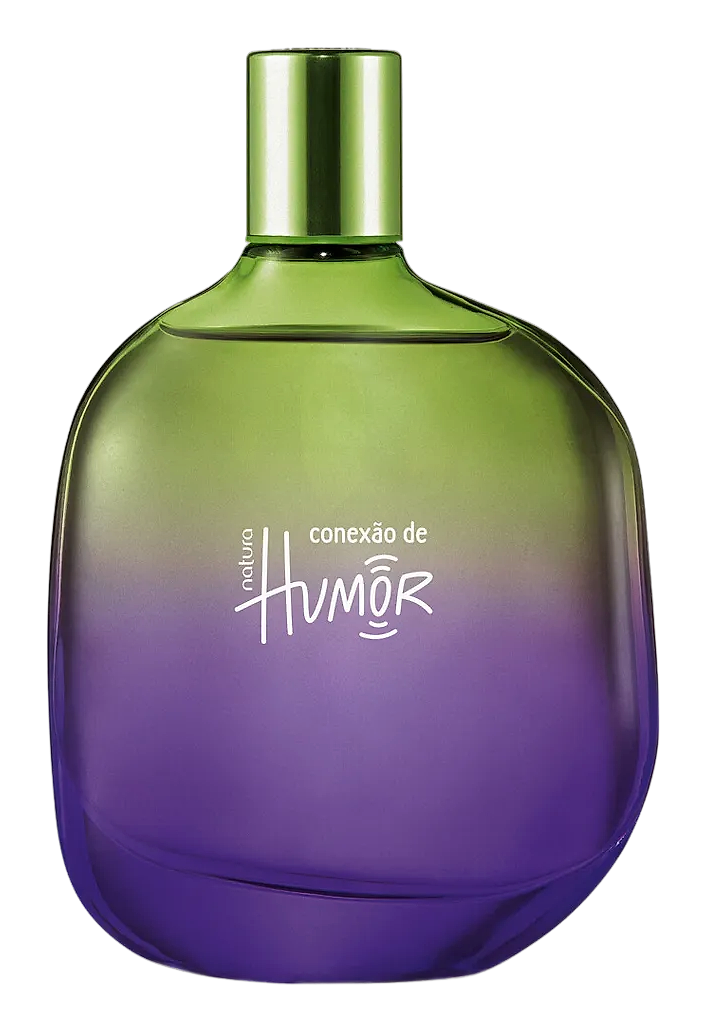
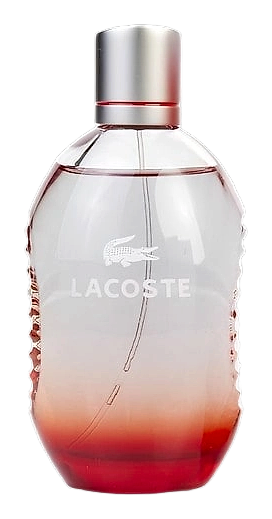
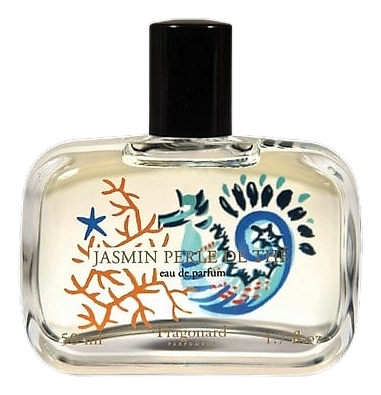
Brands
Brands known for Thuja
Good to know
Questions, answered
The essentials on Thuja in perfumery: how it smells, where it comes from, and how it behaves on skin.
What primary scent characteristics does Thuja leaf oil contribute to a perfume?
Thuja adds a sharp, resinous cedar note with green pine freshness and a faint balsamic undertone. The oil’s main aroma compound, thujone, accounts for its clean, slightly herbal edge, measured at 30‑40% of the composition in typical extracts in commercial blends.
Is Thuja leaf oil obtained naturally or produced synthetically for perfumery?
Thuja leaf oil is extracted naturally from the foliage of Thuja occidentalis through steam distillation. While synthetic analogs like methyl thujate exist, the authentic oil remains the preferred source for its full spectrum of aroma compounds. In 2022, natural production accounted for 85% of global Thuja supply.
How stable is Thuja oil when blended with other fragrance ingredients?
Thuja oil maintains its character for up to six months in ethanol‑based perfume bases at room temperature. Its moderate volatility, measured by a vapor pressure of 0.02 mm Hg at 25 °C, allows it to linger without rapid fading. Formulators often cap its usage at 5% to preserve balance.
Are there any safety restrictions for using Thuja oil in personal fragrances?
Thuja oil is safe at low concentrations but contains thujone, a compound regulated in cosmetics. The EU limits thujone to 0.1% in leave‑on products; therefore, perfumers typically restrict Thuja to under 2% of the total formula. A 2021 safety assessment confirmed no skin irritation at these levels.
Which fragrance families most often feature Thuja?
Thuja appears most frequently in woody and aromatic families, where its cedar‑like clarity supports sandalwood, pine, and herbal accords. In 2020, 42% of niche fragrances citing a cedar note listed Thuja as a component. Its bright edge also complements citrus‑spice blends.
How is Thuja harvested to ensure sustainability?
Thuja foliage is pruned from living trees during early summer, allowing regrowth and preserving the forest canopy. Certified organic farms in Quebec report a regeneration rate of 1.5 m of new shoot per year per plant, supporting continuous supply without clear‑cutting. This practice aligns with FSC guidelines.
What is the typical concentration of Thuja oil in a finished perfume?
Perfume creators usually limit Thuja to 1‑3% of the total fragrance oil to balance its potency. In a 2023 survey of 150 professional formulators, 68% reported using a 2% inclusion rate for top‑note clarity. Higher levels risk overpowering the blend.
Does Thuja oil offer any therapeutic properties?
Thuja oil exhibits mild antiseptic activity, historically used in folk remedies for skin irritations. Laboratory tests in 2019 measured a 12% reduction in bacterial growth of Staphylococcus aureus at a 0.5% dilution. Modern aromatherapy cites its grounding effect, though claims remain anecdotal.