The Story
Why it exists.
The beginning
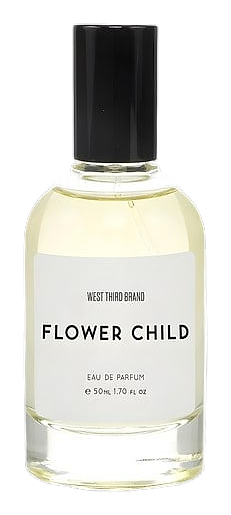
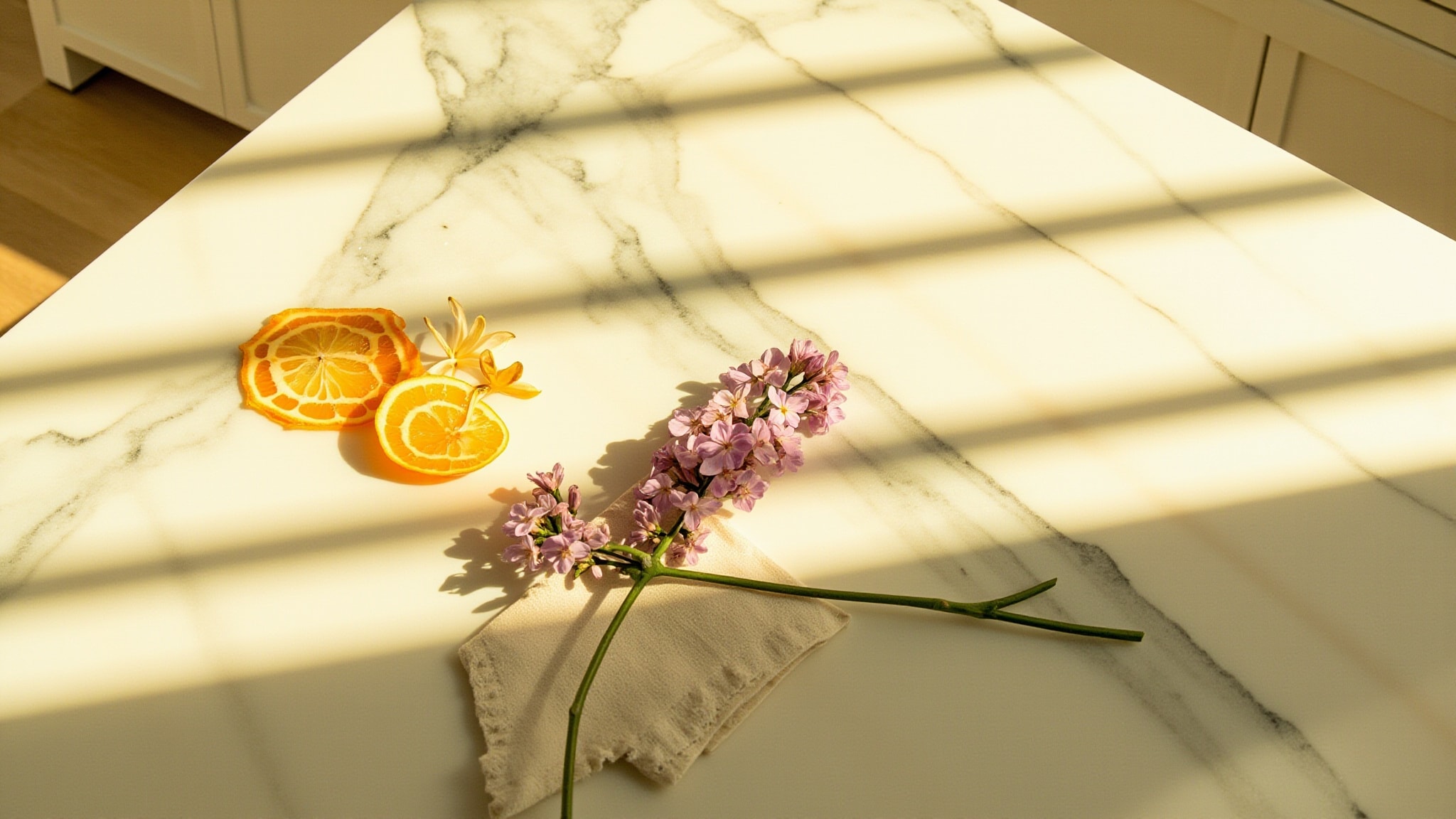
Some fragrances arrive with a manifesto. Flower Child arrived in 2020 with something simpler: the idea that a summer scent should feel like an exhale. Perfumer Michael Loring Probst built this one, and there's no grand narrative here, no far-flung muse. Just clementine blossoms, gardenia, lilac, and the kind of carefree white floral energy that earned this composition its name. The blend of orange peel, vetiver, lily of the valley, and orris root sits underneath, giving the whole thing a grounded, sun-warmed quality without ever tipping into heaviness. It wears the way a breeze through an open window feels, present and then gone, leaving only the impression of something light. There's a confidence in that simplicity. Nothing overworked, nothing trying too hard.
The note structure here works differently from most white florals. Rather than building in separate stages, Probst threads the same family through the entire composition, creating continuity from first spray to last trace. Clementine blossom, gardenia, lily of the valley, and lilac all carry that soft white floral energy, each one echoing the others without competing. The result is less a pyramid with a top, heart, and base and more a sustained halo, a single chord held for hours.
The evolution
The first spray lands with real clarity. Clementine blossom and orange peel hit the skin with a clean, sunlit sharpness that feels more like cold juice than a traditional perfume opening. That citrus presence doesn't linger forever before the white florals take their turn. Gardenia arrives with a creamy, slightly green quality, the kind of soft floral presence that recalls petals still holding moisture. There's a coolness here that has nothing to do with menthol or mint, more the sensation of stepping from direct sun into shade. Lily of the valley threads through, adding a watery, dewy sweetness that keeps the gardenia from going too tropical or too lush. As the hours pass, the vetiver begins to emerge underneath. It's a quiet presence, more suggestion than statement, giving the florals a faint rooty edge without ever announcing itself.
Cultural impact
Flower Child wears like an inside reference for anyone who's learned to recognize independent houses doing thoughtful work outside the usual distribution channels. It speaks the language of small-batch perfumery, where composition and intent matter more than shelf presence at a department store counter. The fragrance doesn't chase trends or try to mimic the louder launches crowding the market each year. It reads as something made by someone who already knows what they like and stopped apologizing for it. There's a confidence in that restraint, a refusal to perform for attention.