
The Story
Why it exists.
The beginning
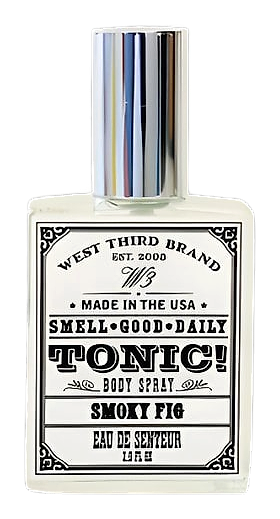
Smoky Fig began with a simple proposition: fig shouldn't be reduced to sweetness. The green, slightly vegetable character of the fruit itself, not the dried or jammy versions common in mainstream perfumery, became the foundation. There's something unexpectedly grounding about a fig that smells like the actual tree, that milky sap quality underneath the skin. Smoke from fir needles adds something unexpected, a quiet ember beneath the fresh fig that catches you off guard. The name captures the tension at the heart of the composition, green fruit, warm woodsmoke, a pairing that sounds contradictory until it isn't.
The composition works through restraint. The green fig here carries both fruit and vegetable qualities, unlike the syrupy fig common to most fragrances. Lemon and sage cut bright and herbal at the opening, giving the scent direction before coconut softens the heart into something rounder. A quiet floral layer from lily and lavender adds depth without tipping toward soapiness. Then woodsmoke arrives, rising beneath the other notes to wrap everything in warm, quiet smoke that lingers close to the skin. Sage persists through the drydown, an herbal thread that keeps the smoke from becoming heavy.
The evolution
The opening announces itself immediately: bright citrus, green fig, the herbal cut of sage and agave. Lemon doesn't linger long, it arrives to clarity the top, then steps back. The heart opens as the citrus fades, revealing coconut and lily adding a creamy, almost lactonic softness to the green fig. Then smoke. The smoked fir was always there, waiting beneath the brightness. Once the florals and coconut settle, the fir takes its turn, wrapping around the lingering fig and grounding everything with musk. Sage and lavender persist as herbal counterpoint through the drydown, keeping the smoke from going heavy. The final hours are warm and close to skin, fig and smoke, softened by coconut, the warmth intensifying as it settles into fabric.
Cultural impact
The fresh-green fragrance category is crowded, but most entries follow familiar paths, sweet fig, coconut cream, maybe a hint of green. What sets this composition apart is the smoky drydown that arrives unexpectedly, a turn toward woodsmoke and warmth that most fig fragrances never attempt. It's an alternative approach that doesn't announce itself loudly but rewards those who notice the difference. The contrast between bright opening and quiet finish creates something that feels neither purely fresh nor purely warm, occupying an unusual space that speaks to a particular sensibility about what fig can be.