
The Story
Why it exists.
The beginning
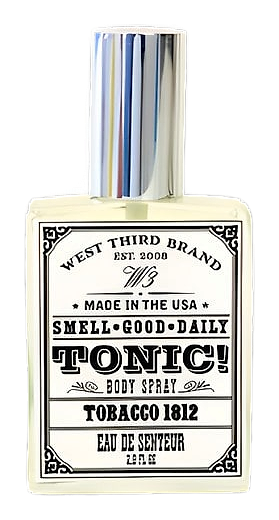
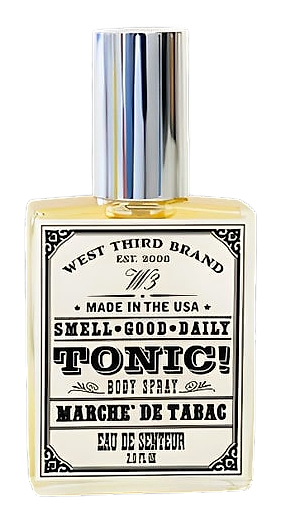
Marche de Tabac arrived in 2010 from West Third Brand. The name borrows French for "tobacco market," and the composition sets out to bottle that scene: stalls stacked with cured leaf, the dust of spices in wooden bins, the sweet resinous air of cured tobacco hanging over everything. The perfumer, Michael Loring Probst, anchored the formula around tobacco absolute, then built the rest of the picture around it. Orange, star anise, clove, cedar, sandalwood, leather, and musk. Not a kitchen-spice list, more a working warehouse where the air itself has weight. The orange opens with a zest that's almost candied, then pulls back as the anise cuts in with its green sweetness, the bright pastis-like note that gives the opening its lift.
What sets this composition apart is its refusal to hide behind the tobacco. The orange and star anise move to the front of the shelf, bright and almost liqueur-like, before the deeper notes take hold. Clove adds a dry bite without veering into cologne territory. Cedar and sandalwood supply the wooden architecture underneath. Leather and musk close the loop, giving the tobacco something to lean against. It's a warm spicy composition that respects the raw material. The tobacco absolute runs through all three layers, a continuous thread from opening to the last trace on skin.
The evolution
The opening is the brightest point of the wear, and it announces itself quickly. Orange and star anise arrive sharp and almost effervescent, like the first breath when you crack open a tin of aromatic pipe tobacco. The anise lends a green sweetness, not the heavy licorice kind, more the bright top note of a good pastis. Clove sits underneath, warm but not aggressive, its oiliness threading through the citrus and anise without overwhelming them. Then the shift happens. The citrus steps back, the anise softens into something more herbal, and the tobacco absolute starts speaking in its full cured-leaf register. The cedar and sandalwood build underneath like the wooden floor of a warehouse, dry and structural, giving the tobacco something to rest on. Leather arrives next, soft, more suede than saddle, and it smooths the edges of everything around it.
Cultural impact
Marche de Tabac reads as a portrait of a place, and that place is a working warehouse rather than a cocktail lounge. The cured tobacco sits at the center, the spice notes orbit it like air around a wooden beam, and the woods and musk give it a structural honesty that doesn't try to dress the leaf up as something it isn't. The orange and star anise keep it from collapsing into pure smoke and leather, holding the brightness in the opening before letting the tobacco take over. The result is a composition that takes its material seriously, and the material itself does most of the talking.