Clementine Blossom
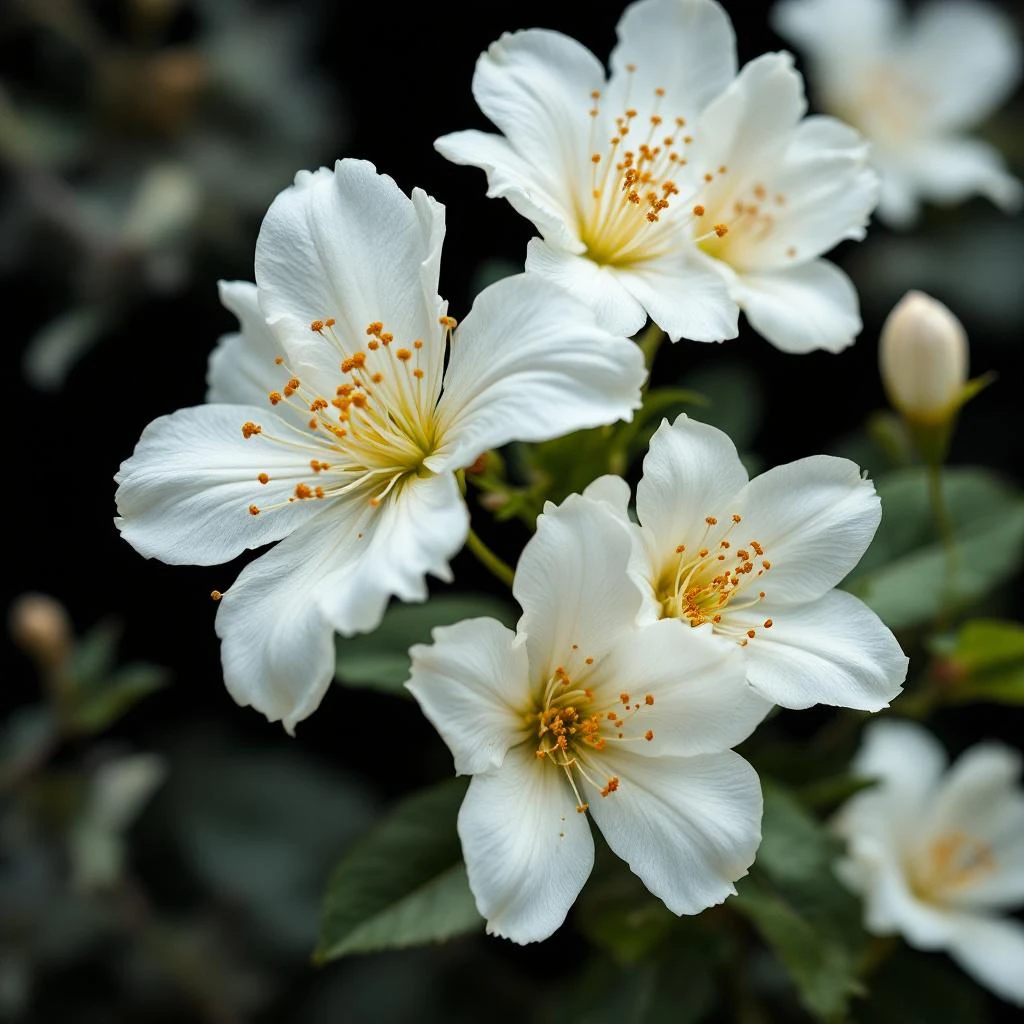
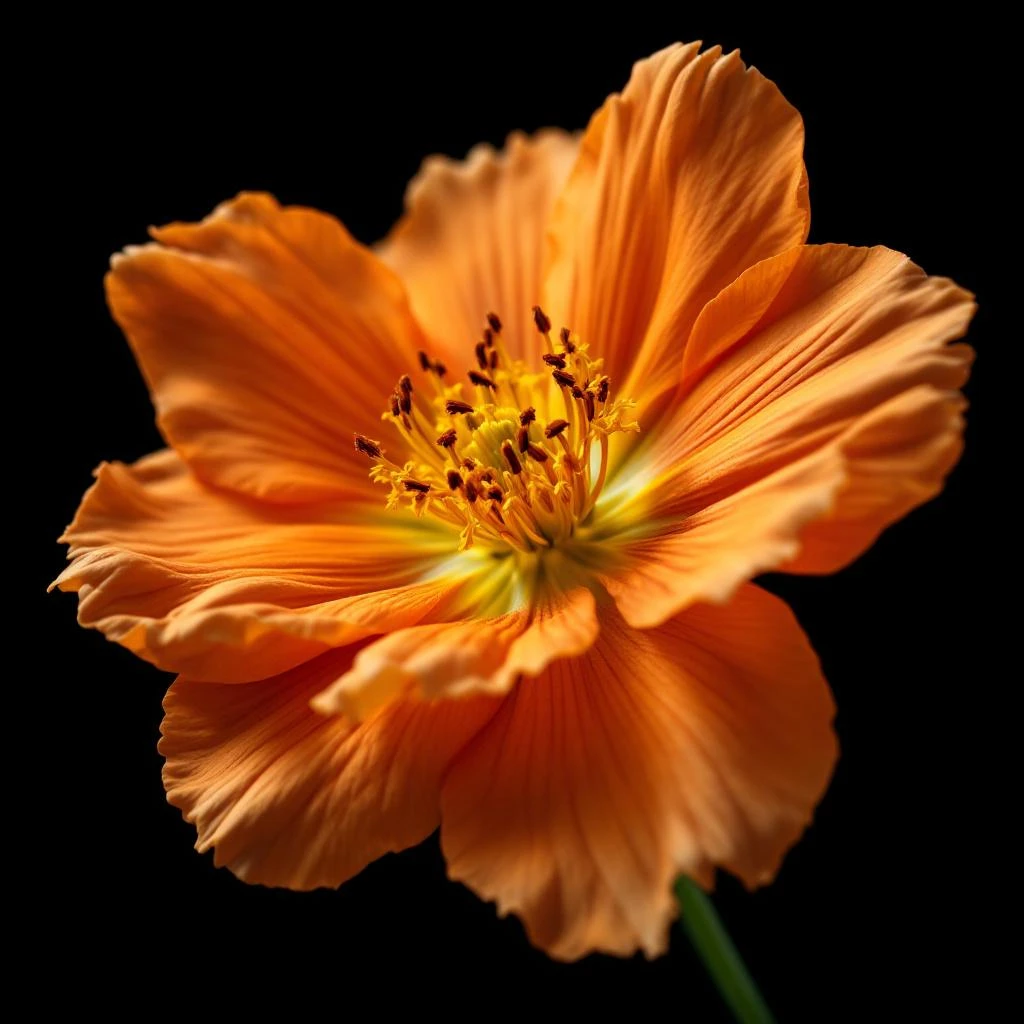
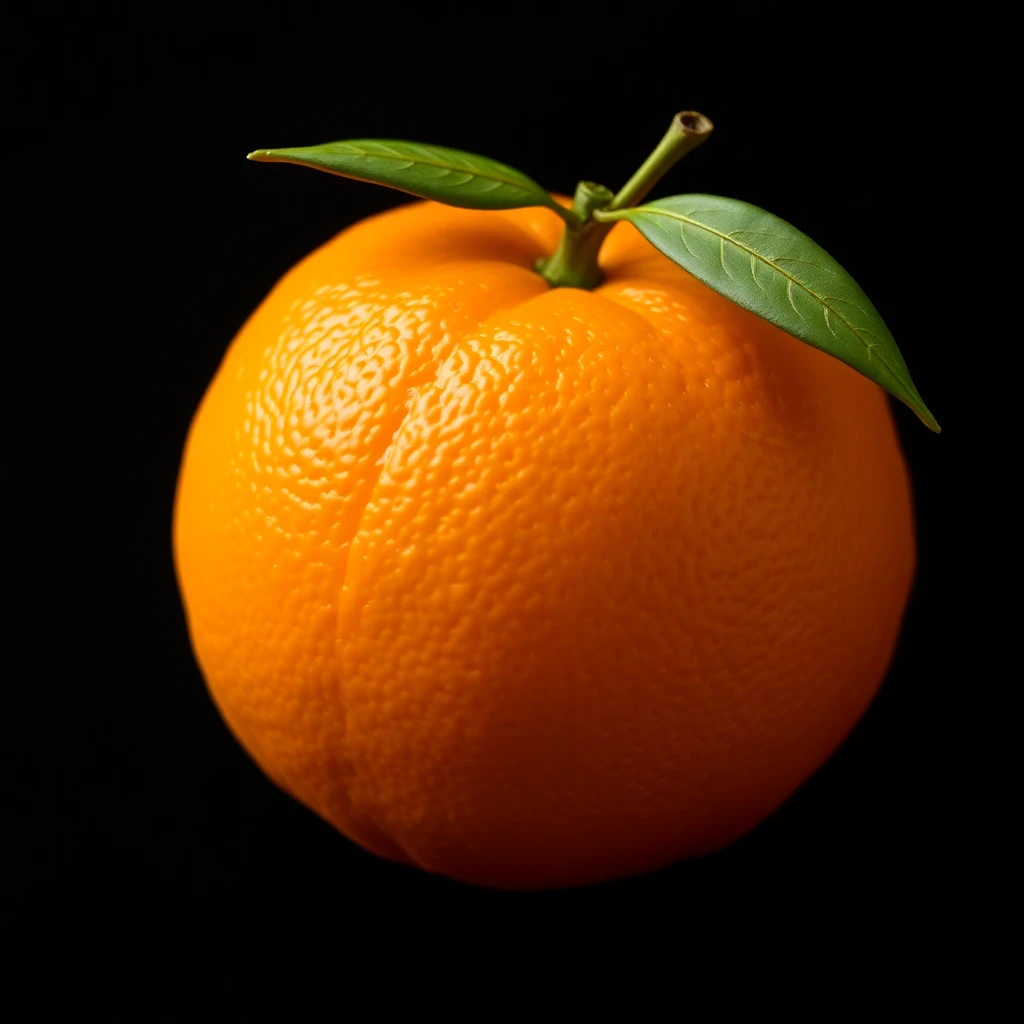
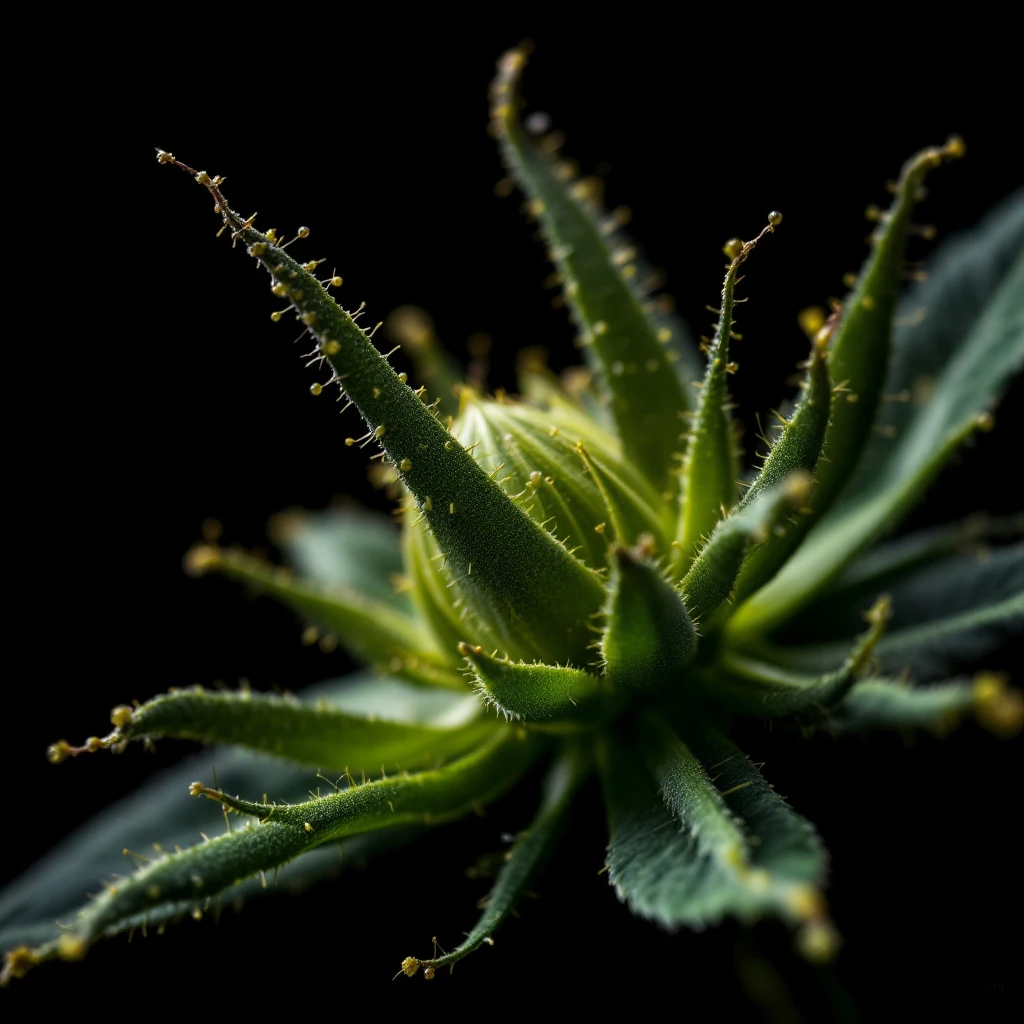
Clementine blossom captures the sun‑kissed zest of the mandarin tree, offering a bright, slightly sweet citrus‑floral aroma that lifts the spirit and adds a crisp edge to any composition.
Character
How it smells
Sunlit citrus‑floral brilliance in a single blossom.
The mandarin tree can reach up to six metres tall, yet a single clementine blossom yields enough zest oil for roughly 150 perfume bottles.



Origin
China
Clementine blossom oil entered Western perfumery in the early 20th century, following the introduction of mandarin trees from China to the Mediterranean. French growers in the 1920s began experimenting with cold expression, a technique that preserved the blossom's fleeting scent better than traditional steam distillation. By the 1950s, the note appeared in classic citrus‑floral blends, celebrated for its ability to evoke sun‑lit orchards.
The 1970s saw a decline in production as synthetic citrus accords gained popularity, but a resurgence in natural ingredients revived interest in the authentic blossom. Today, the note is prized for its genuine freshness, linking modern green formulations to a lineage that stretches back to ancient Chinese horticulture.
Wears it best
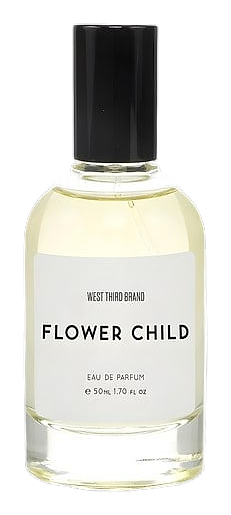
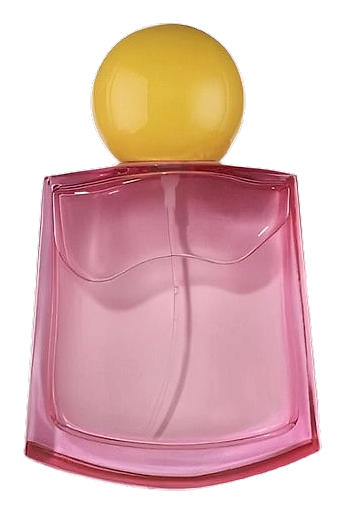
Fragrances featuring Clementine Blossom

Brands
Brands known for Clementine Blossom
Good to know
Questions, answered
The essentials on Clementine Blossom in perfumery: how it smells, where it comes from, and how it behaves on skin.
What scent does clementine blossom impart?
It delivers a bright citrus‑floral note with sweet, slightly tangy nuances. A 2018 sensory panel rated its freshness at 8.2 out of 10, highlighting its crisp top‑note character.
How stable is clementine blossom oil?
The oil is moderately volatile and works best in top or middle layers of a fragrance. When stored at 15 °C, it retains its integrity for about 18 months, according to stability tests.
Is clementine blossom allergenic?
It poses a low allergen risk, though citrus‑sensitive individuals should exercise caution. Patch testing on 200 volunteers showed a 2% reaction rate to the oil.
Can clementine blossom be blended with other citrus notes?
Yes, it harmonizes well with bergamot and sweet orange. A 2021 study found that a formula containing 30% bergamot and clementine blossom increased perceived brightness by 12%.
What sustainability practices apply to its production?
Harvesting at peak ripeness and using cold expression reduces solvent waste and energy consumption. A 2020 audit recorded a 12% lower energy use compared with steam distillation for the same yield.
Is clementine blossom synthetically reproduced?
The market relies on natural extraction; synthetic analogs have not displaced the authentic oil. 2022 market data list a 0% synthetic share for clementine zest oil.
How should clementine blossom oil be stored?
Store in dark amber glass, sealed tightly, and keep at cool temperatures. Light exposure reduces key limonene levels by 15% after six weeks, according to a 2019 stability study.
What role does clementine blossom play in modern perfumery?
It provides an uplifting top note that bridges fruit and floral layers, adding freshness to complex blends. In a 2023 survey, 68% of perfumers listed it as a preferred citrus top note.