The Story
Why it exists.
The beginning
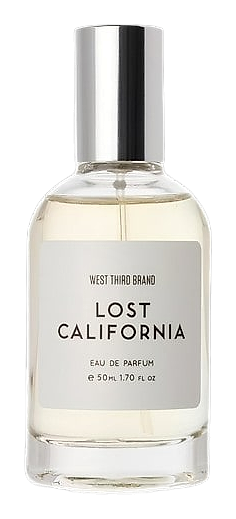
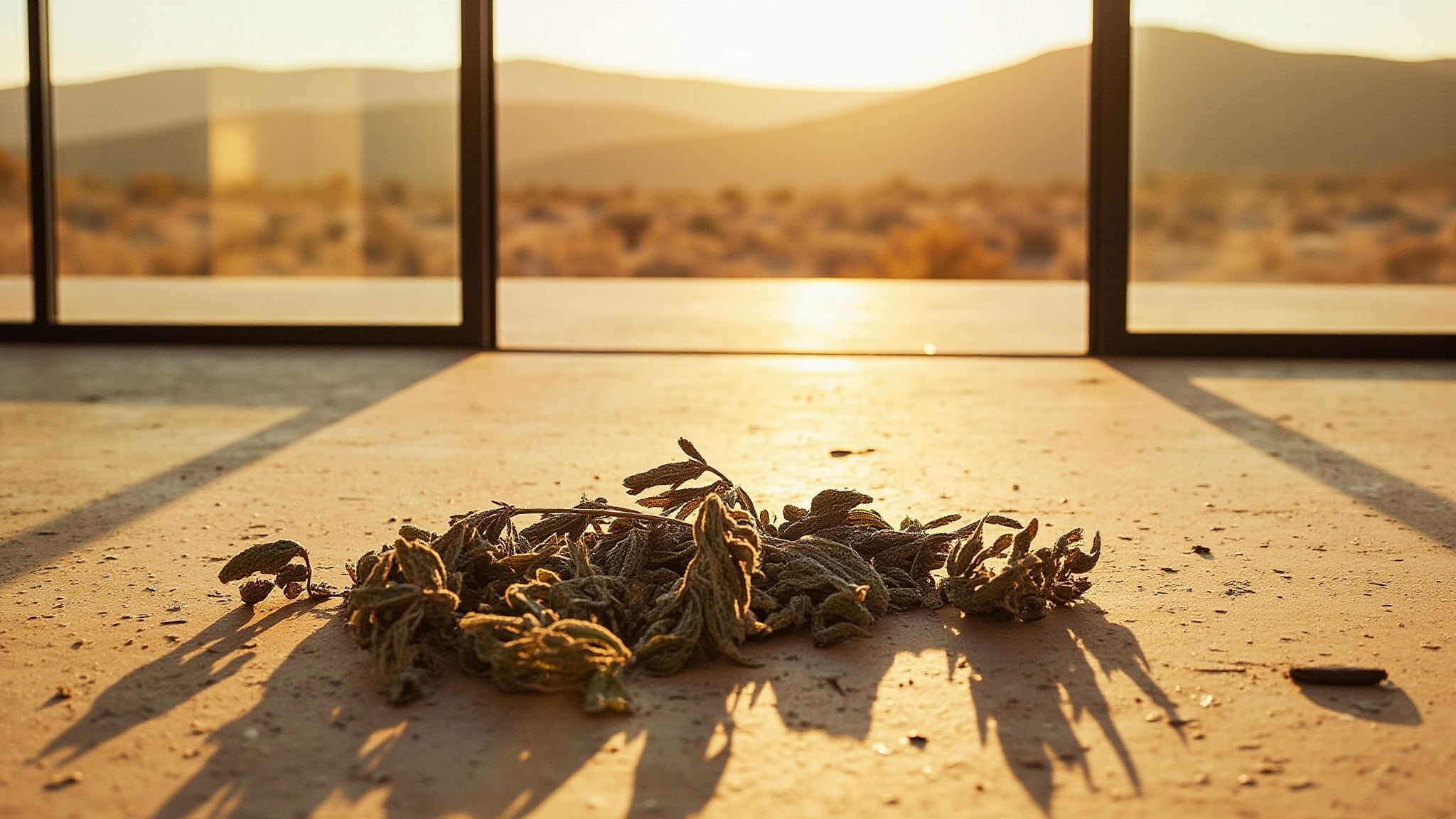
Lost California arrived in 2017 from the West Third Brand studio, composed by Michael Loring Probst. The fragrance leans into dry, aromatic territory, away from the bright, salt-air version most people picture, and toward something closer to the inland ground where sage and chaparral actually grow. There's smoke in the air before there's salt. Probst built Lost California around that dry warmth, between the golden state we picture and the aromatic earth that anchors it. It's a scent for someone who knows the difference, or wants to learn it. The composition pulls you into chaparral and sun-baked scrub, resinous woods warming up against green herbs, and an almost scorched quality running underneath the whole thing.
What makes Lost California structurally interesting is the placement of Palo Santo and labdanum at the center of the composition. Palo Santo sits surrounded by sage and hemp, with labdanum absolute anchoring the resinous thread all the way down through the base. That placement matters because the wood note becomes the structural core rather than a quiet foundation. Bergamot and black pepper sharpen the edges at the top; sage and hemp rough them up in the middle; the Palo Santo burns slow without ever catching fire, carrying its own warmth without any actual smoke.
The evolution
The opening belongs to bergamot and black pepper, bright and a little confrontational, like stepping outside into sharp sunlight. Then sage rolls in, smoked and green at the same time, and the composition settles into its actual character. Palo Santo takes over from there, and it's not subtle about it. The dry wood note builds gradually, joined by labdanum's sticky amber warmth and the green, almost vegetal whisper of hemp underneath. Musk arrives late but stays late, settling into the skin and leaving a warm, close trail. As the hours pass, the bergamot fades, the pepper softens, and what remains is warm resin, dry wood, and skin musk in roughly equal measure. The Palo Santo keeps its character longest, a quiet dry wood presence that lingers long after the brighter top notes have burned off.
Cultural impact
Lost California sits within a small, focused tradition of American fragrances built around dry woods, resins, and herbal materials, the kind of compositions that smell like a place rather than a marketing concept. It draws on Palo Santo and labdanum the way other indie houses draw on oud or iris, as a center of gravity around which everything else orbits. The scent reads as atmosphere first, statement second, and that shapes the kind of person who reaches for it. It's fragrance that rewards attention over projection, that asks to be worn rather than performed.