The Story
Why it exists.
The beginning
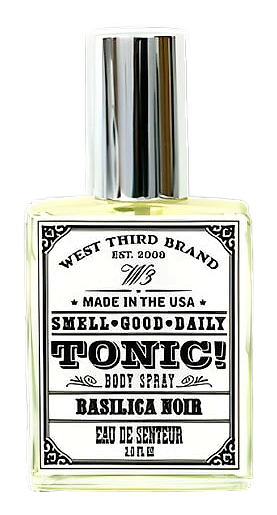
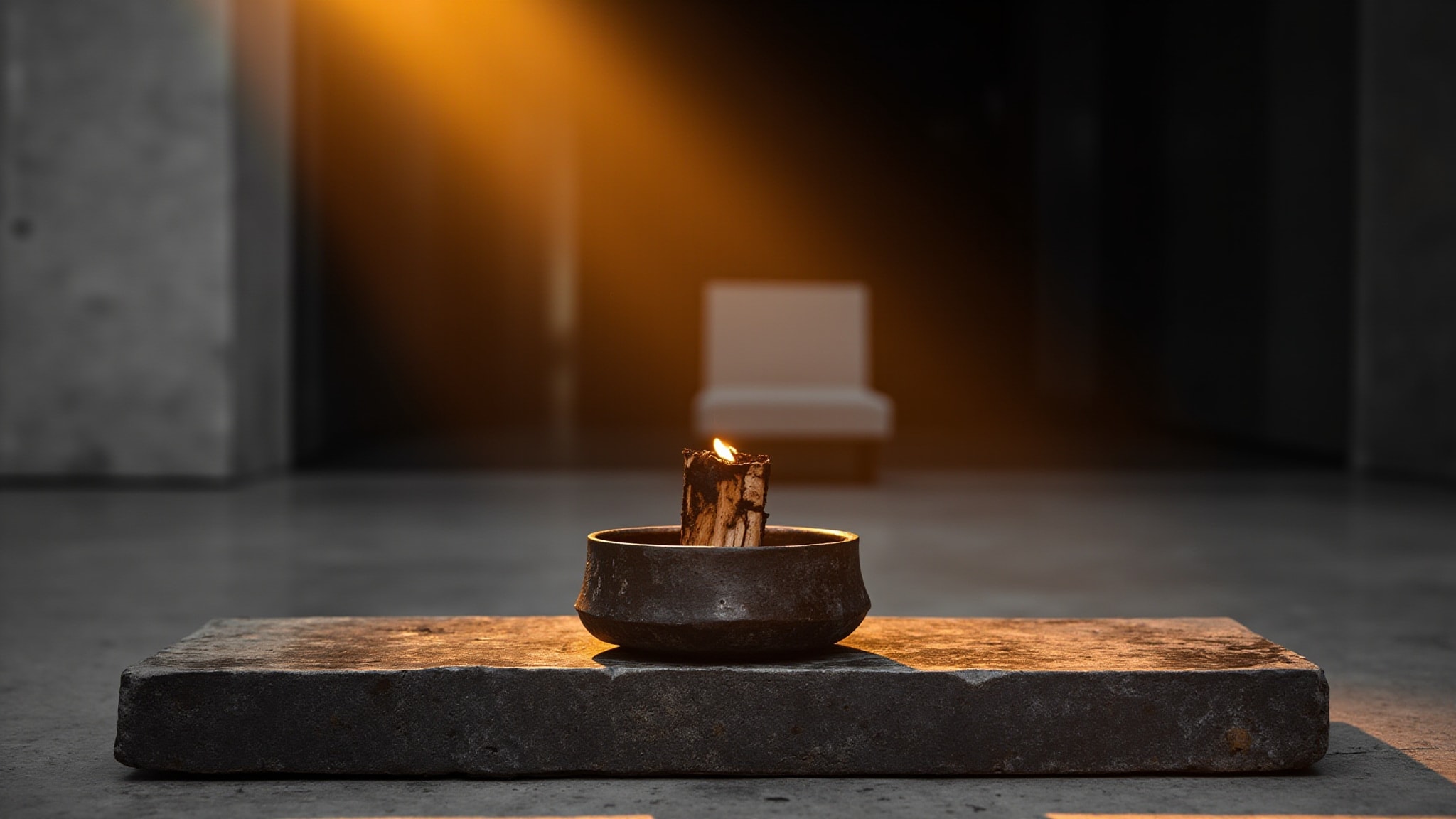
Basilica Noir comes from the studio of Michael Loring Probst, a perfumer whose hand shows in the construction as much as the materials. The name does the heavy lifting. Basilica suggests cold stone, vaulted ceilings, a stillness that swallows sound. Noir asks you to imagine that space after the candles gutter out, when the incense keeps hanging in the air long after the room has emptied. Probst built the composition around a narrow set of materials: balsam fir, clove, frankincense, labdanum, cedar, patchouli, and bitter orange. Each one earns its place. Nothing ornamental, nothing softening the edges. The materials talk to each other in plain language, and you can pick out nearly every voice if you listen closely.
What's interesting here is the restraint. Basilica Noir doesn't pile up the incense tropes. There's no sweetness cushioning the resin, no gourmand base to round it out. Probst pairs labdanum and frankincense the way a stone mason lays stones: tight, structural, both stones doing real work. Balsam fir cuts through with green conifer bite, and clove adds heat that reads medicinal at first, then aromatic once the heart opens up. Bitter orange appears almost as a structural beam, the sour citrus that keeps everything from going dark. Cedar and patchouli anchor the drydown in a way that feels less hippy than monastic, more cabin than concert hall. The combination is distinctive because it refuses to perform.
The evolution
The opening is green and sharp. Balsam fir arrives first, almost like cracking a fresh needle between your fingers, with bitter orange cutting through it like a window thrown open in winter. Clove shows up early, adding a warm medicinal heat that reads as much apothecary as bakery. Nothing about it is sweet. In the early going, Basilica Noir smells like the air in a chapel just after the doors close, cool stone, cold metal, something burned nearby. Then the heart opens. Frankincense and labdanum take over the conversation, and the composition shifts from green to resinous, from cool to warm. The cedar and patchouli settle underneath, grounding the resin without competing with it. The fir never fully leaves, it just recedes into the architecture, lending the later stages a faint coniferous backbone that keeps the warmth from going flat.
Cultural impact
Basilica Noir sits at the intersection of incense and wood, a corner of fragrance that prizes incense without sweetness and spice without performance. It's a composition that rewards stillness, and the kind of buyer who picks it up tends to already know what they're looking for. The fragrance lets labdanum and frankincense do the talking, and it trusts the wearer to sit with that. Labdanum brings a dark, almost leathery amber warmth that reads more like the floor of an old church than any syrupy sweetness, and frankincense threads through with that clean, slightly peppery lift that suggests cooling stone and distant chant.