The Story
Why it exists.
The beginning
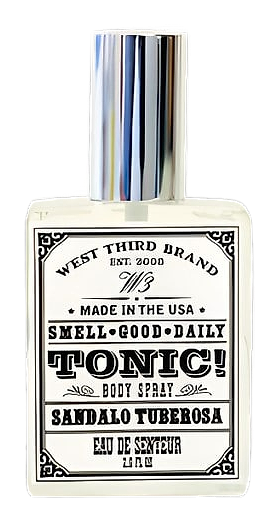
Sandalo Tuberosa comes from the West Third Brand studio, the work of perfumer Michael Loring Probst, whose name shows up across the W3B catalog on scents that lean woody, smoky, and quietly confrontational. The name combines the Italian words for sandalwood and tuberose, two materials that dominate the composition without apology. The formula treats the tuberose not as a garden centerpiece but as a co-conspirator with sandalwood and patchouli, each one pulling the bloom away from its usual sweetness. The sandalwood reads dense and oiled, the kind of warm wood that feels handled rather than manufactured, and it sets the floor for everything else to build on.
What makes the formula interesting is its refusal to over-decorate. Five notes. That's it. No citrus sparkle, no green stem cutting through the top, no vanilla or amber shoring up the base. The sandalwood does the softening. The tuberose does the talking. The patchouli brings the dirt. Orris root powder sits between them, blurring the edges so nothing reads as a single material. Vetiver anchors the whole thing to skin, dry and faintly green, pulling the heavier notes down to a wearable level without ever making them feel thin. Each ingredient carries its own gravity without needing backup.
The evolution
The first ten minutes are almost confrontational. The tuberose arrives raw, indolic, smelling less like a flower and more like the warm, slightly animal interior of a greenhouse at night. There's no citrus to soften the landing, no aldehyde sparkle pretending it's a clean room. Just the bloom, heavy and unapologetic. Then the sandalwood starts moving underneath. Creamy, dense, the kind of sandalwood that smells like it's been oiled and warmed by hand. It catches the tuberose around the thirty-minute mark and pulls it downward, away from the flower-shop register and toward something woodier. The orris root shows up here, blurry and powdery, dusting the edges of both materials so they blur together. From the second hour on, the patchouli takes the wheel, smoky, earthy, the dark side of incense rather than the bright side.
Cultural impact
Sandalo Tuberosa occupies a quiet corner of the indie fragrance world, a release from West Third Brand that still gets pulled out of collections by people who bought it on a recommendation years ago. The composition draws on a tuberose-sandalwood pairing with deep roots in classical perfumery, but it strips away the usual supporting structure of citrus, vanilla, and amber that most formulas rely on to keep the heavy materials wearable. That subtraction is part of what makes it memorable: the fragrance refuses to cushion the tuberose or sweeten the sandalwood, and instead lets them sit next to each other raw.