
The Story
Why it exists.
The beginning
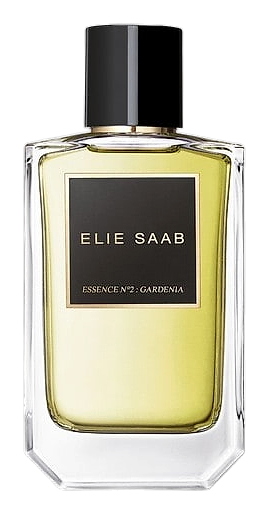
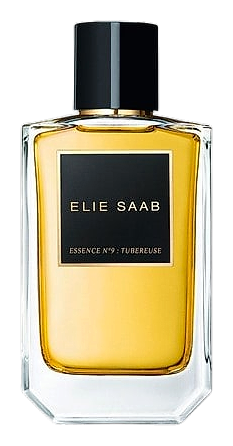
Francis Kurkdjian built his reputation on precision, knowing exactly when to pull back so a material can speak fully. Essence No. 9 gave him a flower that doesn't cooperate: tuberose, which in its raw form is almost confrontational in its intensity. The solution wasn't to soften it. It was to give it a frame that held the heat without letting it scatter. Italian bergamot at the opening provides that cool edge, not much, but enough to make the tuberose landing feel deliberate rather than overwhelming.
The real move here is the Ceylonese cinnamon sitting alongside the tuberose in the heart. Not as a supporting spice, as a structural element. Cinnamon in fragrance often reads as warmth, a blanket over the florals. Here, the spice works differently. It deepens the cream rather than competing with it. The white musk at the base doesn't project outward, it keeps the composition close, intimate, the kind of presence you notice when someone leans in.
The evolution
The bergamot clears fast. Thirty seconds and it's gone, leaving the tuberose to announce itself in full, buttery, tropical, a creaminess that feels earned rather than synthetic. No green stems, no indolic sharpness. Just lush white floral opening onto warm skin. The Ceylonese cinnamon announces itself quietly around the ten-minute mark, threading warmth through the cream without competing for attention. They coexist. The heart holds for two to three hours, the florals gradually yielding to something drier as the white musk begins its quiet work. By hour four, the sillage has softened to something intimate, present only to someone standing close. The drydown itself is understated: white musk with the faintest ghost of spice, clinging to the skin for another three to four hours on most people. On fabric, it lasts well into the next day.
Cultural impact
Essence No. 9 Tuberose arrived in 2016 as part of Elie Saab's broader push into luxury niche-adjacent positioning. The numbered Essence series ran from 2014 to 2017, each fragrance built around a single dominant ingredient rather than a full narrative arc. This was a deliberate departure from the brand's earlier fashion-forward approach, signaling that Elie Saab wanted credibility with serious fragrance collectors who valued composition purity over marketing storytelling. The series predated the white floral revival of the late 2010s, placing it ahead of the curve in identifying tuberose as an underexplored note in contemporary perfumery.