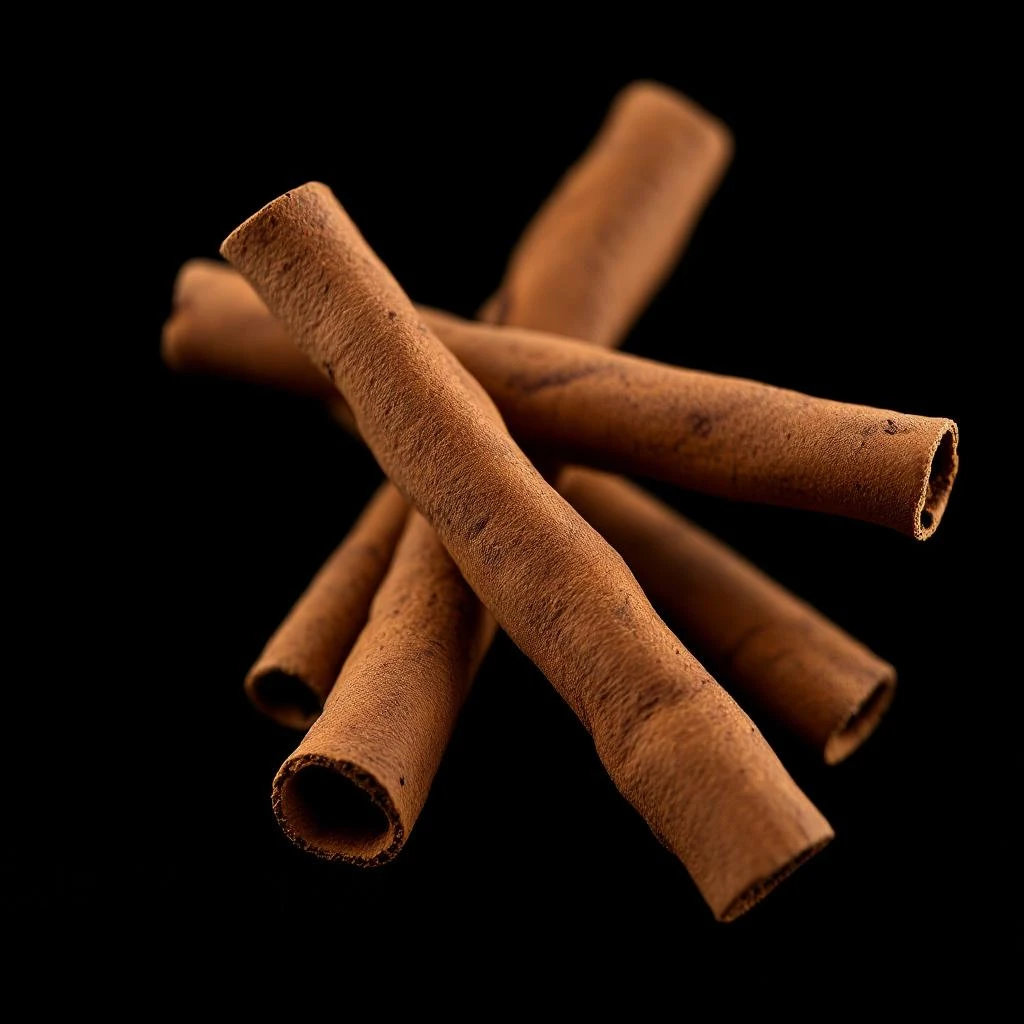
Cinnamon (ghost)
Ghost cinnamon captures the warm, spicy soul of Cinnamomum in a concentrated aromatic molecule. This synthetic recreates the characteristic bark warmth and subtle sweetness that perfumers have prized for millennia, offering consistency and depth without the variability of natural bark.

Character
How it smells
The phantom warmth of ancient bark.
Cinnamaldehyde, the primary compound in ghost cinnamon, makes up 90% of cinnamon bark oil and was first isolated in 1834 by Italian chemist Luigi Hasany.
Pairs beautifully with


Origin
Sri Lanka
Cinnamon ranks among the oldest香料 traded across ancient routes, documented in Chinese texts from 2700 BCE and prized by Egyptian embalmers. The Roman Empire craved it so intensely that Pliny the Elder recorded cinnamon bark selling for more than silver per pound. Medieval European pharmacies displayed it as a miracle cure for everything from coughs to plague.
When François Coty pioneered solvent extraction in the late 19th century, perfumers gained new tools to capture aromatic complexity. Today, synthetic ghost molecules honor this legacy, recreating cinnamon's warmth with precision that ancient traders never imagined possible.
Wears it best
Fragrances featuring Cinnamon (ghost)
Brands
Brands known for Cinnamon (ghost)
Good to know
Questions, answered
The essentials on Cinnamon (ghost) in perfumery: how it smells, where it comes from, and how it behaves on skin.
What is ghost cinnamon in perfumery?
Ghost cinnamon is a synthetic aromatic molecule that replicates the scent of natural cinnamon bark. Perfumers use it to achieve consistent, controllable warmth without the natural variability of botanical sources.
How does ghost cinnamon differ from natural cinnamon?
Natural cinnamon varies by harvest, origin, and soil conditions. Ghost cinnamon delivers identical aromatic profiles batch after batch, giving perfumers precise control over the warm, spicy character they wish to achieve.
What does ghost cinnamon smell like?
Ghost cinnamon offers warm, spicy sweetness with subtle woody undertones. It reads as the characteristic bark warmth of Cinnamomum, combining sweet-cinnamon notes with a gentle heat that lingers on the skin.
Is ghost cinnamon safe for skin contact?
Ghost cinnamon compounds undergo IFRA compliance testing. Cinnamaldehyde specifically carries usage restrictions in leave-on products, though controlled amounts in fine fragrance pose minimal concern for most wearers.
Which fragrance families use ghost cinnamon?
Ghost cinnamon appears frequently in oriental fragrances, spicy florals, and amber compositions. It pairs exceptionally well with vanilla, rose, and woodsy base notes like sandalwood and oud.
Can ghost cinnamon trigger allergies?
Cinnamaldehyde ranks among the EU's documented fragrance allergens. Sensitized individuals should check ingredient lists, though trace amounts in diluted fragrance form rarely cause reactions.
Why do perfumers choose synthetic ghost notes?
Synthetic ghost notes provide olfactory consistency that natural ingredients cannot match. They also address sustainability concerns and price volatility that affect natural cinnamon supply chains.
What molecules create ghost cinnamon's aroma?
Cinnamaldehyde forms the primary aromatic signature, comprising up to 90% of the molecule blend. Supporting compounds like cinnamic alcohol add depth, while ethyl cinnamate contributes sweet, fruity undertones.