The Story
Why it exists.
The beginning
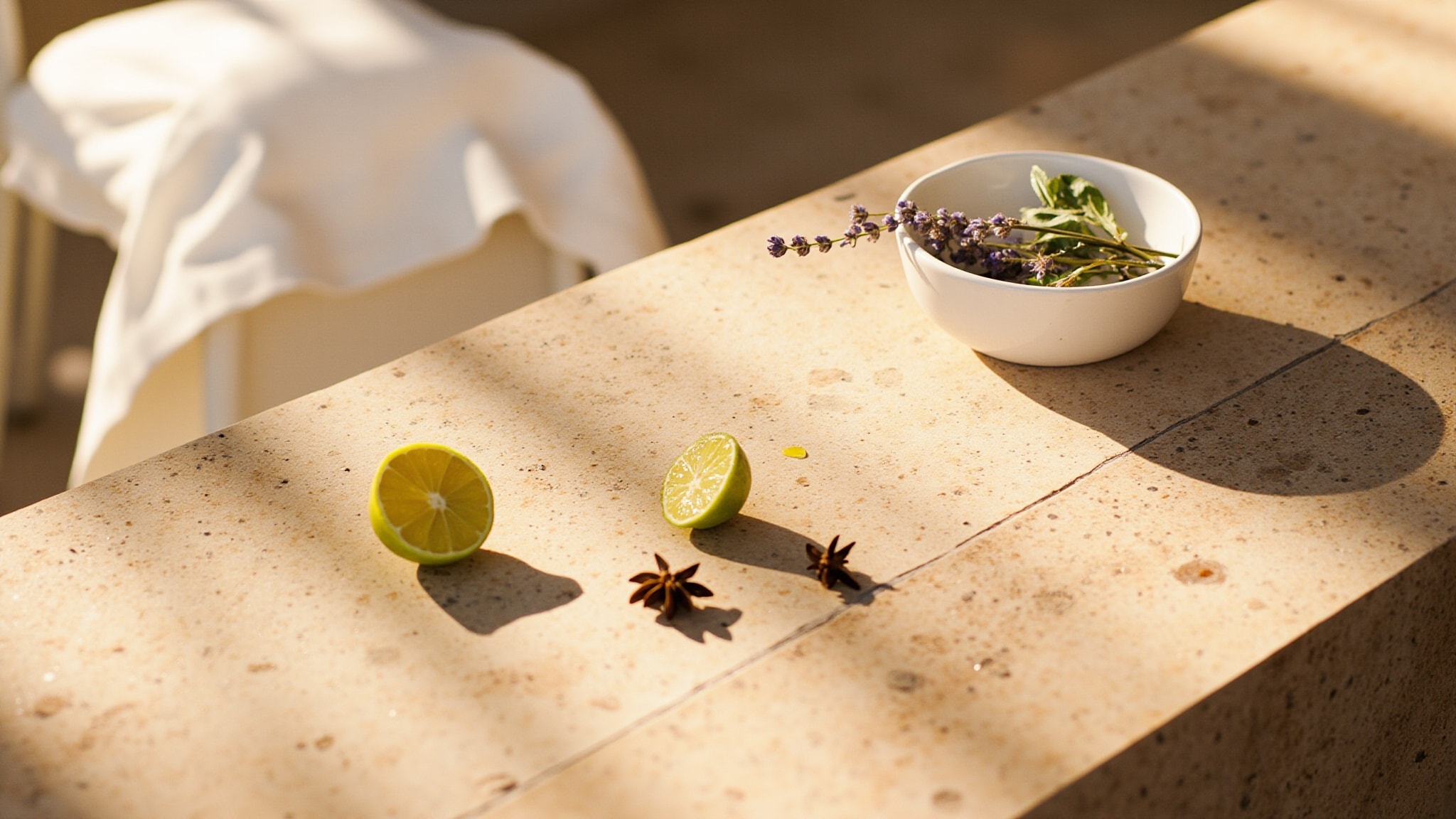
Blue Jeans arrived in 1994, built by Jacques Cavallier-Belletrud around a citrus-anise opening that fizzed with unexpected brightness. The combination of citrus fruits and star anise created an opening that felt lively and distinct. The name suggested something direct, approachable, a fragrance that wore its character without excess. Versace built this scent to feel comfortable and worn-in, a perfume for those who preferred to let the fragrance speak softly rather than shout.
The note structure is where it gets interesting. Anise sits at the top alongside bergamot and basil, an unusual combination that gives the opening a subtle licorice bite that fades fast. That anise creates a fizzy quality that feels almost cola-like, unexpected and distinct. As it settles, a lavender-rose heart emerges that reads powdery without going talcum. The florals here are warm and clean, lending a softness that carries the fragrance through its middle phase.
The evolution
The opening hits sharp and bright, citrus fruits and star anise arrive together, the anise giving it a fizzy, almost cola-like edge that surprises. Within 15 minutes the citrus softens and the heart takes over: lavender leads, with geranium, jasmine, and a quiet rose backing it up. The powdery quality starts here and never quite leaves. By hour two, the florals fade and the base asserts itself, vanilla and tonka bean first, then cedar, musk, and a touch of amber. The drydown feels intimate and warm, the kind of scent someone notices when they're standing close.
Cultural impact
Blue Jeans earned a devoted following because it worked. The powdery-anise character made it memorable and enduring. Wearers describe it as the scent of someone who doesn't need to announce themselves. It sits comfortably between casual and formal, earned and approachable.