The Story
Why it exists.
The beginning
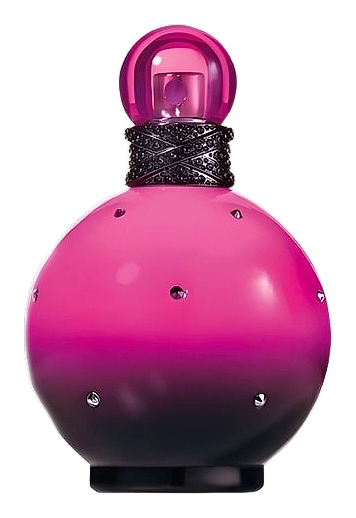
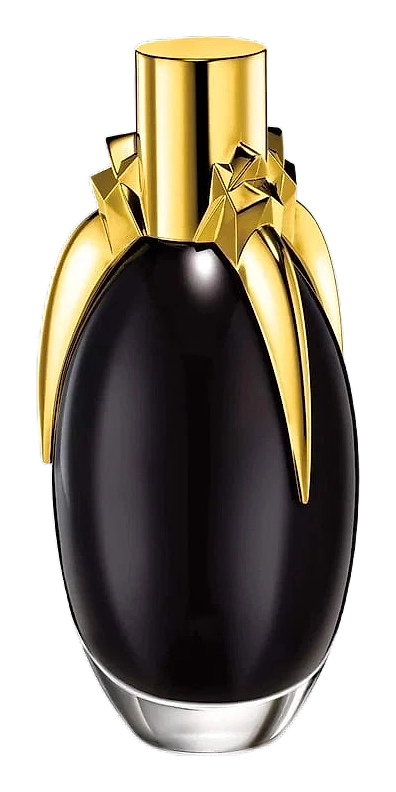
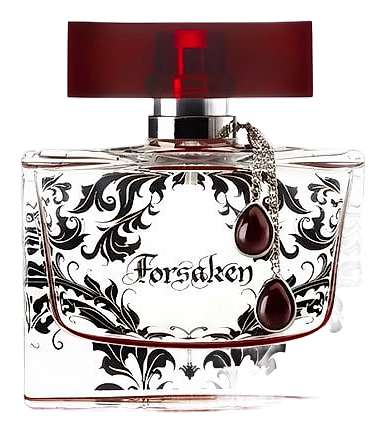
Forsaken arrived in 2012 as the signature scent for HBO's True Blood, the gothic vampire drama. The creative brief went to Givaudan, with a goal that reached beyond conventional perfumery: capture the show's humid Southern nights, the metallic warmth of blood, the sweetness of ripe fruit, and the earthy shadow of the bayou in a single wearable composition. Forsaken became that portrait, an eau de parfum designed to translate television into scent, where vampires walk freely and attraction carries real risk. The fragrance sits at the meeting point of two industries that rarely collaborate this closely, and it wears that crossover identity without apology.
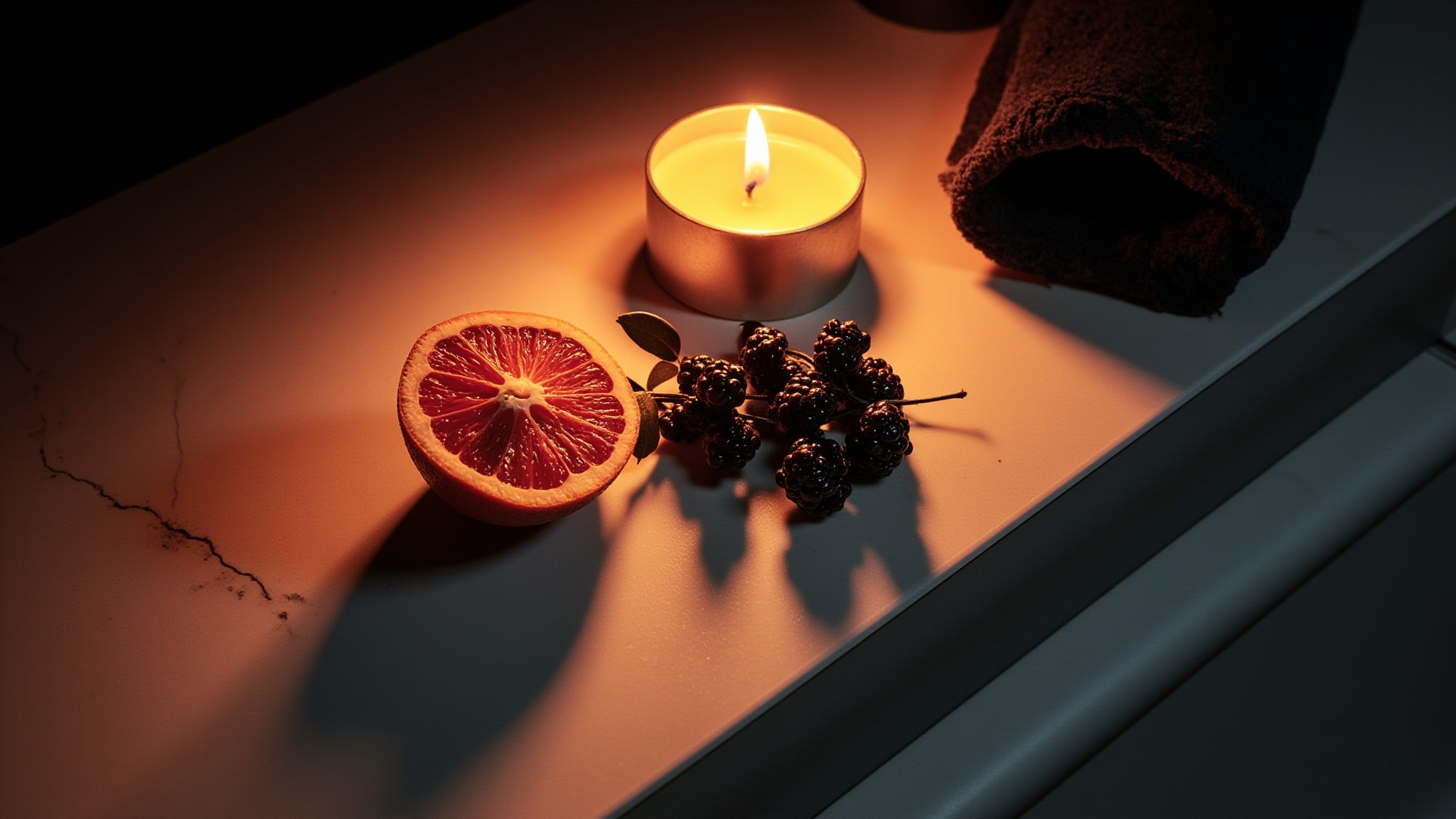
The composition leans into a tension most mainstream florals avoid: fruit that carries weight. Blood orange and Anjou pear open with juicy brightness, but the black plum and blackcurrant in the early heart pull that brightness toward something denser and more resinous. Night-blooming cereus adds a white floral whisper, the part that smells like something blooming in the dark, which keeps the fruit from tipping into gourmand territory. The base is where Forsaken commits, layering patchouli against crystal amber and ebony wood, then softening the whole structure with vanilla.
The evolution
The first fifteen minutes belong to blood orange and pear, bright enough to cut through whatever you sprayed over. That fruit top doesn't last long. Black plum and night-blooming cereus move in underneath, shifting the profile from juicy to something heavier, with violet threading a soft powder through the center. The middle phase smells sweet but grounded, holding that bruised-fruit character without sliding into syrup. Then the base takes over. Patchouli deepens, ebony darkens, and crystal amber catches the vanilla and holds it. The final hours settle into a smoky amber-plum haze that stays close to the body. Moderate sillage means it won't fill a room, but the drydown lingers on fabric for days, reading warmer and woodier than the opening suggests. On skin, the progression feels almost cinematic, each act handing off to the next without a jarring cut.
Cultural impact
Forsaken sits in an unusual corner of the fragrance world, part licensed entertainment product, part atmospheric oriental, and it wears that hybrid identity openly. Wearers tend to describe it as mood-first, less concerned with traditional fragrance categories than with evoking a specific kind of night. That approach has kept it in rotation long after the show it was tied to ended, with collectors and curious newcomers alike seeking it out for its distinctive blend of fruit, floral, and resinous base. The scent reads as deliberate and theatrical without tipping into costume, which gives it a staying power that pure tie-ins rarely achieve.