The Story
Why it exists.
The beginning
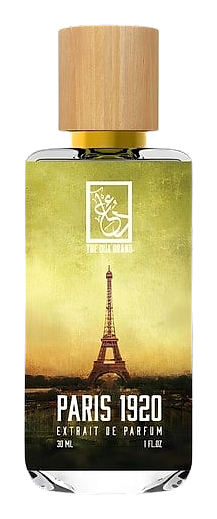
The Dua Brand launched Paris 1920 in 2018, and the 1920s Paris reference is intentional, a decade defined by artistic reinvention, jazz spilling from cafés, and a certain carelessness about convention. The Dua Brand translates that spirit into a modern Extrait de Parfum: liberating citrus up top, white florals at the heart, and warm cedarwood anchoring the base, with Atlas cedar documented on Parfumo and Moroccan cedarwood noted on Fragrantica. The opening pulls you in with a burst of lemon, bergamot, and neroli, the kind of citrus that feels alive rather than decorative, before African marigold and buchu introduce a green, herbal undertone that gives the composition its edge.
What's interesting about this composition is the African marigold paired with buchu, an herb that brings something unexpected to the citrus opening. Together they give the top notes a green, slightly medicinal edge that keeps the whole thing from drifting into basic cologne territory. The jasmine and cyclamen heart adds softness without weight, the jasmine creamy and the cyclamen almost watery in its sweetness, and the cedarwood base, listed as Atlas cedar on Parfumo and Moroccan cedarwood on Fragrantica, grounds the composition in a woody warmth that feels deliberate rather than generic.
The evolution
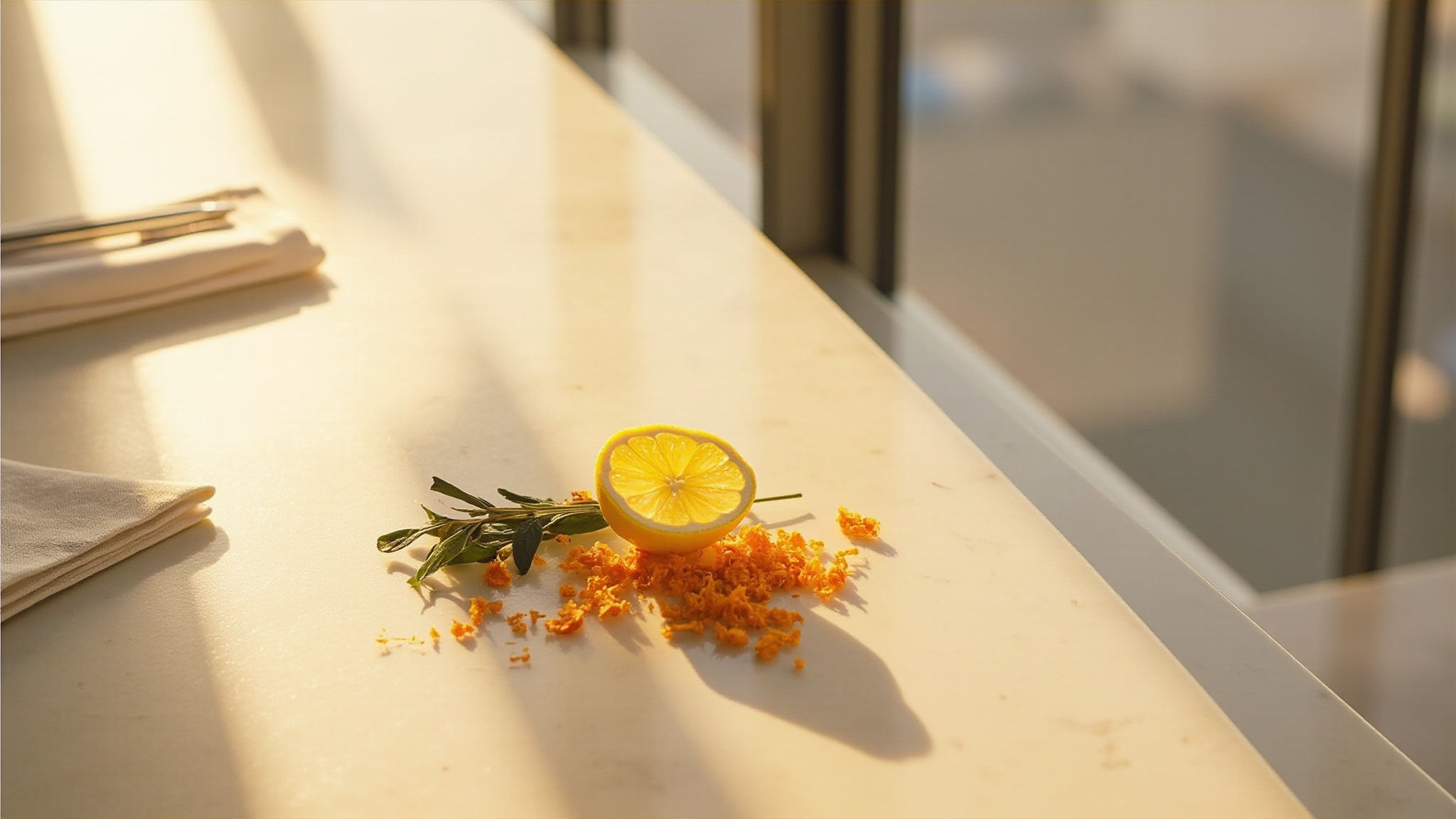
The opening is a burst of lemon, bergamot, and neroli, bright and almost sharp, like squeezing citrus peel into sunlight. African marigold and buchu add an herbal undertone that keeps the sweetness honest, the marigold bringing a warm, slightly peppery quality while the buchu adds a green, almost tea-like lift. As the citrus settles, jasmine and cyclamen arrive, softening the edges without dulling them, the jasmine creamy and the cyclamen airy and translucent. Violet leaf threads through with a faint green coolness that makes the florals feel modern rather than old-fashioned, a whisper of cucumber-skin freshness that keeps everything reading current. Eventually the base takes over: cedarwood, whether you read it as Atlas or Moroccan depending on the source, and vetiver bring a dry, woody warmth that settles close to skin, while amber and musk add a clean, slightly powdery finish.
Cultural impact
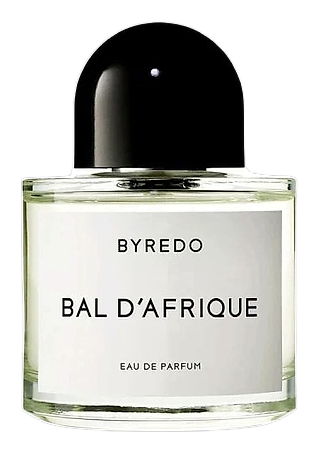
Paris 1920 sits firmly within the accessible-dupe conversation, and it's frequently mentioned alongside Byredo's Bal d'Afrique, which it closely references in its bright, citrus-and-cedar DNA. Community discussion across fragrance forums tends to center on how faithfully it captures that profile, with reviewers comparing the two side by side on notes like neroli, violet leaf, vetiver, and cedarwood. For buyers who want the scent profile without the designer markup, it offers a practical entry point into fresh woody florals, and the conversation around it often comes down to how much of the original character survives the translation.