
The Story
Why it exists.
The beginning
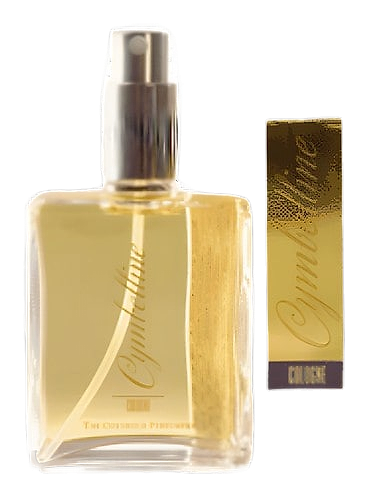
Cymbelline comes from The Cotswold Perfumery, whose origins in Bourton-on-the-Water date to 1966. No launch year or official account of the name is documented, so the fragrance's story is most clearly read through its composition: moss, wood, earth, resin, and spice. Its green opening catches the imagination first, drawing attention to the contrast between leafy freshness, aromatic warmth, and deeper woody textures. The notes unfold in a measured way, revealing dry timber, softened resin, and a grounded mossiness as the scent develops. Cymbelline feels considered rather than trend-led, offering an expressive, full-bodied fragrance for those drawn to the more tactile side of perfumery.
The composition is interesting because its warmth never becomes syrupy. Labdanum and patchouli bring ambered resin and earth, while sandalwood gives the heart a soft, polished grain. Oakmoss and vetiver pull the whole structure toward the forest floor, and the green and spicy accords add movement without turning bright. It is the sort of chypre shape that feels substantial without crowding the wearer.
The evolution
Cymbelline begins with a clean, green-spiced impression, like air moving through damp leaves. The opening quickly gives way to a warmer middle: sandalwood softens the edges, labdanum adds a honeyed resin glow, and patchouli brings an earthy shadow. Oakmoss then becomes the anchor, supported by the drier facets of vetiver and the steady warmth of sandalwood. As the composition develops, it settles closer to skin, shifting from green spice to velvety wood and moss. The leafy quality becomes less distinct while the woody, balsamic trail grows clearer, revealing itself through softly blended resin and a dry, earthy heart. On skin, the fragrance appears restrained at first, then slowly opens into a nuanced combination of smooth sandalwood, moss, vetiver, patchouli, and labdanum. What lingers is a woody, balsamic trail that stays dry rather than sweet.
Cultural impact
Cymbelline draws on a traditional vocabulary of green, woody, and mossy perfumery, then gives it a distinctive tonal balance. Its chypre structure moves from a fresh, spiced opening into a warmer heart shaped by sandalwood, labdanum, patchouli, oakmoss, and vetiver. The contrast gives the fragrance a grounded character: bright enough to invite attention, yet composed enough to reveal new detail as it develops. Cymbelline rewards close attention to how its materials interact, from the initial leafy impression to the dry, balsamic finish.
The House
The Cotswold PerfumeryThe Cotswold Perfumery creates niche fragrances from a family-run shop in Bourton-on-the-Water, a village in the Cotswolds. Founded in 1966, the house is known for English-style compositions such as Amber, Pallas, Muguet, Viva, Ruby, English Rose, Rosa, Lavandula and Neroli. John Stephen, the house's chief perfumer, also created fragrances for the British grooming brand Czech & Speake. The Cotswold Perfumery occupies an unusual place in British fragrance, combining independent production, a strong sense of place and scents built around familiar notes such as rose, muguet, lavender and amber.
The Creator
John StephenClassical and English in temperament. He favors materials that carry weight and clarity.