The Story
Why it exists.
The beginning
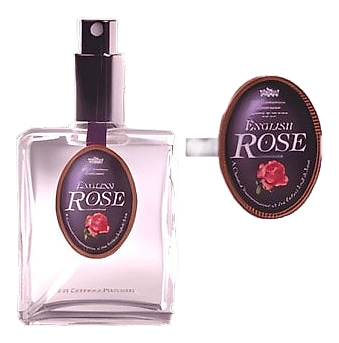
English Rose was released in 1975, with John Stephen identified as its perfumer. The name points directly to its heart: English rose, a richly satisfying floral treated as the central character rather than hidden inside a more elaborate construction. The fragrance carries a clear rose-led profile, with floral and citrus accords adding freshness around that central bloom. There is no grand mythology to decode. Its appeal lies in presenting a familiar rose with conviction, part garden romance and part polished everyday elegance. The accord gives the composition a simple structure, balancing the brightness of citrus with the fuller, softer presence of rose and floral notes.
The unusual strength of English Rose is its clarity. The rose leads with very little visual camouflage. The rose, floral and citrus accords give the scent a simple architecture: brightness from the citrus accord, full and recognisable floral character through the rose, and a steady floral presence throughout. That directness makes the composition easy to appreciate note by note. Citrus brings a fresh, clean edge, while rose adds depth and a velvety fullness.
The evolution
English Rose begins with citrus, bright enough to make the floral feel awake rather than preserved. English rose then takes over, unfurling with the generous weight of a full garden bloom. There is no dramatic change of character later, and that is the point. The rose settles into a smoother, more intimate floral presence while the citrus edge recedes, leaving the wearer with the same central note in a quieter register. As the fragrance wears, the balance shifts gradually: citrus supplies freshness, the floral accord adds softness and breadth, and rose remains the most recognisable element, expressive but never obscured.
Cultural impact
English Rose is a fragrance shaped by the appeal of a familiar floral made contemporary through clear note interactions. Its name gives immediate focus to the rose, while the supporting floral and citrus accords lend freshness and depth. The composition invites close attention to the material itself: the brightness of citrus, the generous texture of rose, and the softer floral character surrounding it. Rather than relying on an elaborate narrative, English Rose places its identity in a scent that is immediately legible and rewarding to explore.
The House
The Cotswold PerfumeryThe Cotswold Perfumery creates niche fragrances from a family-run shop in Bourton-on-the-Water, a village in the Cotswolds. Founded in 1966, the house is known for English-style compositions such as Amber, Pallas, Muguet, Viva, Ruby, English Rose, Rosa, Lavandula and Neroli. John Stephen, the house's chief perfumer, also created fragrances for the British grooming brand Czech & Speake. The Cotswold Perfumery occupies an unusual place in British fragrance, combining independent production, a strong sense of place and scents built around familiar notes such as rose, muguet, lavender and amber.
The Creator
John StephenClassical and English in temperament. He favors materials that carry weight and clarity.