The Story
Why it exists.
The beginning
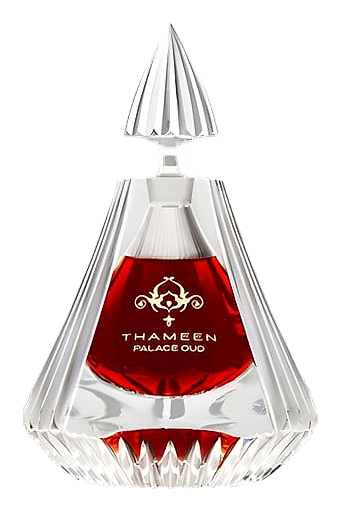
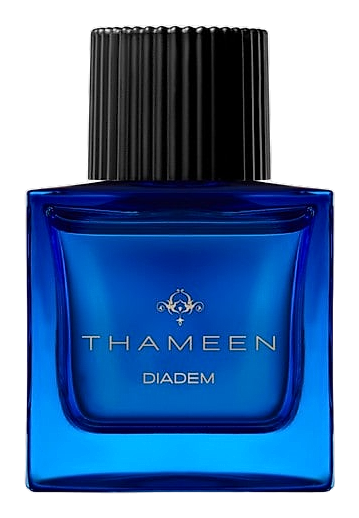
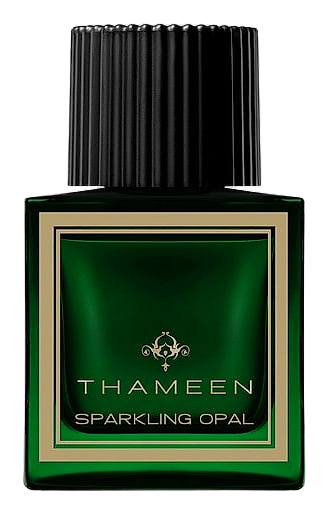
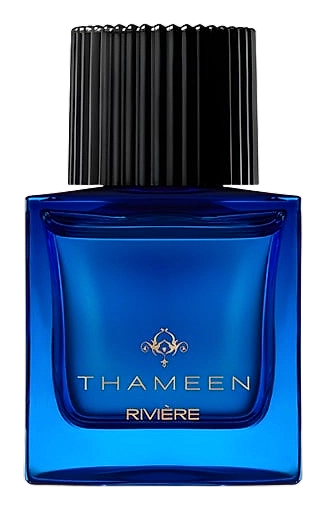
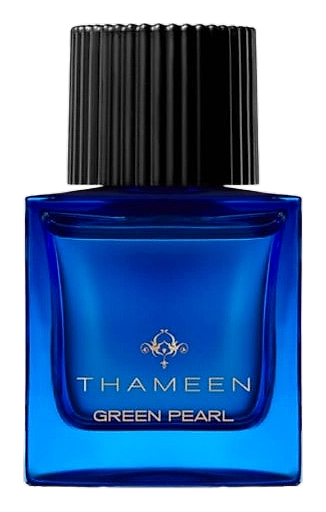
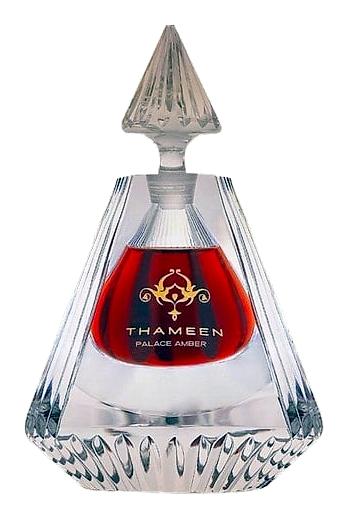
The Palace collection by Thameen references actual palaces, those historic rooms where amber, resin, and precious woods once perfumed the air for centuries. Palace Amber draws from that lineage: the amber rooms of European aristocracy, the honey-warm interiors of Middle Eastern courts, the idea that amber is not merely a note but a setting. Only 100 bottles were made. Each one arrives in a crystal decanter with a lacquered box, more reliquary than fragrance bottle.
The note structure rewards close attention. Rosemary opens with a green, slightly bitter edge that keeps the vanilla from becoming saccharine. Freesia and osmanthus bring a tea-like floral quality rarely found in amber-dominant compositions. Spikenard, used sparingly and often in sacred contexts, introduces an earthy, almost camphorated darkness to the heart that most amber fragrances never attempt. The combination of honeyed sweetness and this darker botanical layer is what sets Palace Amber apart from straightforward orientals.
The evolution
The opening salvo hits fast, rosemary's herbal bite softened within seconds by vanilla's sweetness and a honeyed warmth that seems to glow. Rosemary retreats by the 15-minute mark, leaving vanilla and that warm amber glow in control. The heart develops over the next several hours: freesia arrives fresh and delicate, then fades as sandalwood's creaminess takes hold. Osmanthus adds a quiet apricot note. Spikenard lurks underneath, earthy, slightly medicinal, the kind of note that adds shadow to the light. Then the base takes over. The honey becomes darker, stickier. Amber radiates warmth. Musk steps forward with an animalic presence that grows closer and more intimate over time. Patchouli grounds everything. Sandalwood persists as cream. The drydown outlasts everything else, lingering for hours as a warm, skin-close pulse rather than a projection.
Cultural impact
With only 100 bottles produced, Palace Amber has become a collector's artifact rather than a widely worn fragrance. Its honeyed warmth and powdery character draw comparisons to classic orientals, but the spikenard note adds an unexpected complexity that rewards close attention. The brand's positioning as a curator of precious, narrative-driven compositions attracts fragrance collectors who view each bottle as a story fragment, not a commodity.