
The Story
Why it exists.
The beginning
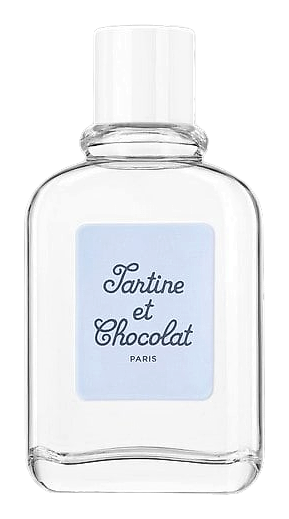
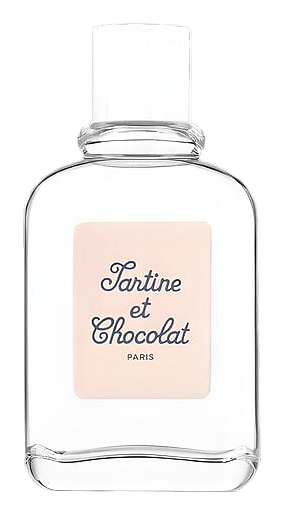
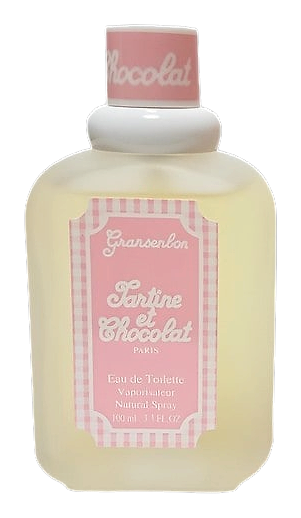
Gransenbon arrived in 1995 from Tartine et Chocolat, the French house with a particular gift for gentle, unthreatening compositions. The name itself carries that brand-coded playfulness, that little French wink. Gransenbon sits in the floral-fresh territory the house is known for, built around honeysuckle and jasmine at its heart, lifted by citrus on top, and grounded by oakmoss, amber, and white musk underneath. The opening is a bright burst of lemon, bergamot, orange, and mandarin, with a clean thread of mint running through that keeps things from going flatly sweet. It smells like the moment you peel fruit on a warm afternoon, crisp and slightly cool.
What makes Gransenbon interesting is how it handles the classic white floral without tipping into bridal or soap territory. Lemon and mint at the top keep things sharp and awake, almost like sparkling water poured over petals. Then honeysuckle, jasmine, and lily of the valley do the heavy lifting in the heart, a trio that reads sweet and green rather than heady. The base of oakmoss, amber, and musk grounds everything with a soft mossy warmth that keeps the florals from floating away. It is a composition built on clarity, on notes that speak plainly. That is the whole point.
The evolution
The first ten minutes are all citrus snap, lemon brightness and that cool mint edge cutting across the orange. It smells like the moment you peel fruit on a warm afternoon. Around the thirty-minute mark the florals take over completely, honeysuckle leading the charge with its sticky, almost edible sweetness. Jasmine comes in underneath, creamy rather than indolic, and lily of the valley adds that fresh green stem that keeps the whole thing from turning syrupy. There is a moment here, somewhere in the first hour, where the orange blossom and the neroli seem to pulse just beneath the surface, giving the white petals a faint sunlit warmth that stops the composition from feeling cool or detached.
Cultural impact
Gransenbon carries a quiet nostalgia for those who encountered it when it first appeared, and its production has reportedly been discontinued, which gives it a soft collector status among wearers who now hunt for it online. It wears like a memory of first perfume rather than a current trend piece, the kind of scent that people who owned it tend to remember with a specific fondness, tied to a particular age or a particular moment. The composition sits in that territory of early florals, clear and sweet where modern perfumery often goes abstract or conceptual, and there is something almost refreshing about its refusal to overthink itself.