
The Story
Why it exists.
The beginning
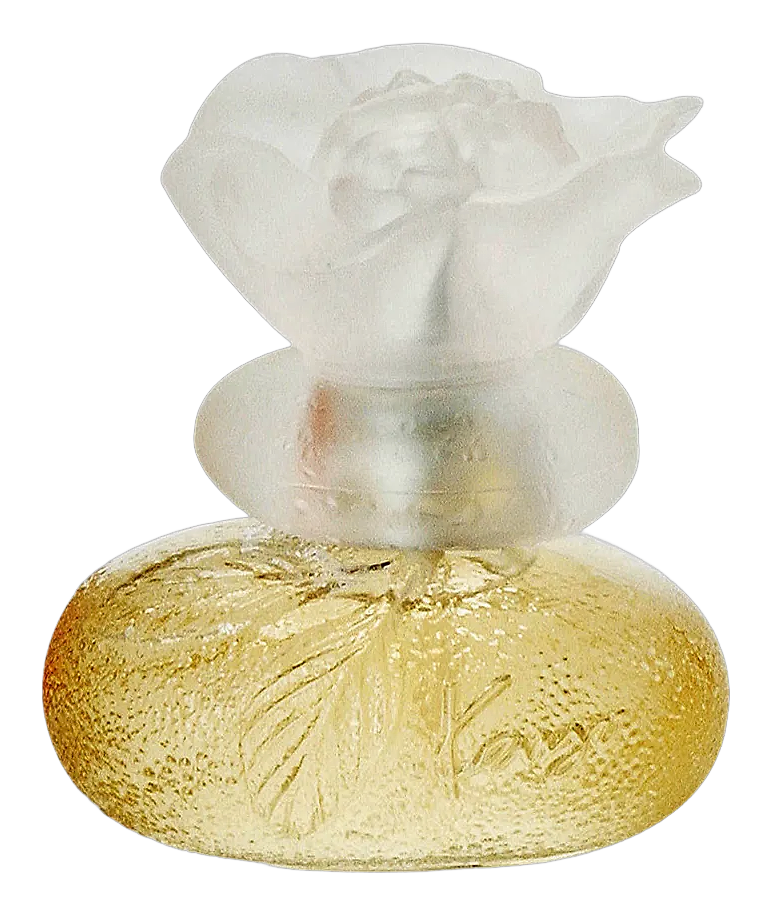
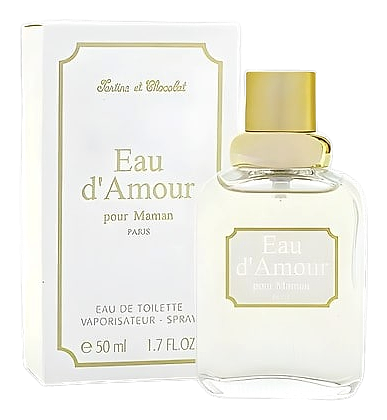
Eau d'Amour pour Maman arrived in 2003, composed by Olivia Jan for Tartine et Chocolat, a French house that has always understood the tender mathematics of first fragrances. The name says everything: love for Mama, translated into something you can wear. This is the fragrance for the moment when a younger woman reaches for something sophisticated for the first time, guided by tenderness rather than ambition. The house built its identity on exactly this kind of emotional clarity, accessible, warm, never intimidating. Here, that philosophy finds its most literal expression: a scent named for the person who taught you what love smells like.
What makes this composition interesting is its refusal to compete with itself. The citrus top, floral heart, and woody base don't fight for dominance, they take turns. Mandarin orange opens bright and clean, handing off to orange blossom and violet in the heart, then guaiac wood arrives late to keep everything grounded without heaviness. Musk threads through all three stages, adding softness rather than strength. The result is a fragrance that feels coherent from first spray to final drydown, unified by its gentleness, never jarring, never demanding attention it hasn't earned.
The evolution
The opening announces itself quickly: mandarin and orange blossom arrive together, bright but not sharp, citrus that smells like morning rather than cleaning products. Within minutes the florals take over, violet's powdery edge softening the rose, creating that characteristic girlish-floral impression the house does so well. The transition feels natural, like a conversation changing subjects rather than starting anew. The drydown is where patience rewards: guaiac wood's subtle smokiness emerges after an hour or so, adding dimension without darkening the composition. Musk lingers closest to the skin, the final note you catch when leaning in for a goodbye kiss. On fabric, it stays longer than on skin, diffuse, warm, the ghost of morning.
Cultural impact
This fragrance occupies a specific cultural moment: the first-generation French cosmetics buyer, young women discovering sophistication through scent. It doesn't compete with statement fragrances, it offers something different, quieter, built for those who want to be remembered rather than announced.