



Heritage
A house, in its own words
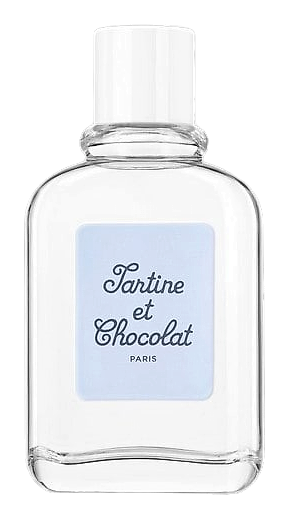
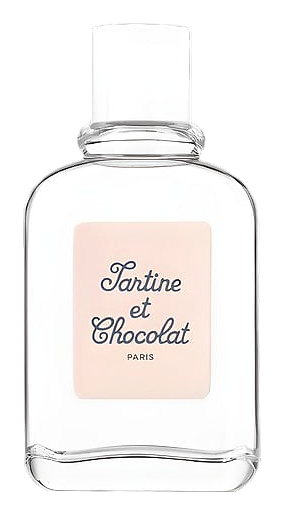
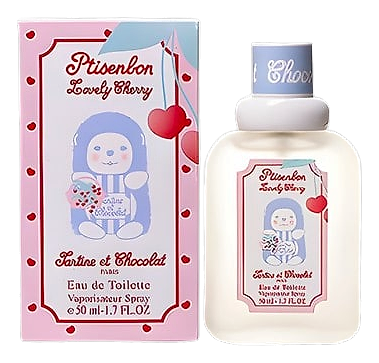
Catherine Painvin established Tartine et Chocolat in 1977, bringing her vision of accessible yet characterful fragrances to the French market. The name choice reflects a distinctly French sensibility, conjuring the simple pleasure of a mid-morning snack, and positioned the brand as approachable and warm from its inception. Painvin built the house with a clear focus on younger consumers, a demographic often overlooked by established fragrance houses at the time. In 1987, the brand achieved breakthrough success with the launch of Ptisenbon, a scent that would become its signature line. The fragrance was released under a licensing partnership with Givenchy, which provided distribution muscle and positioned the brand within a respected fashion house context. By 1995, Tartine et Chocolat had grown sufficiently to open its own dedicated boutique at 266 boulevard Saint-Germain, one of Paris's most prestigious addresses, signaling confidence in the brand's identity and customer base. Over the following decades, the house expanded the Ptisenbon family with numerous flankers, including Ma Belle in 2005 and Lovely Cherry in 2007, each exploring different facets of the original concept. The brand's continued partnership with Givenchy parent LVMH kept it within a major luxury group framework, providing manufacturing and distribution resources while allowing creative independence. Tartine et Chocolat approaches perfumery with an understanding that first fragrance experiences matter enormously. The house positions itself as an introduction to fragrance culture, creating scents that feel inviting rather than intimidating to younger noses. Rather than chasing complexity for its own sake, the brand favors clarity and immediate appeal, building compositions around recognizable notes that communicate cleanly. The philosophy extends to naming conventions, with titles like Eau d'Amour pour Maman (Water of Love for Mama) speaking directly to the familial and emotional contexts in which younger consumers encounter fragrance. This approach treats scent as part of daily ritual rather than special occasion luxury, aligning with the brand's name and its everyday French imagery. The house seems to believe that fragrance should feel personal and accessible, not reserved for adults or formal moments.