
The Story
Why it exists.
The beginning
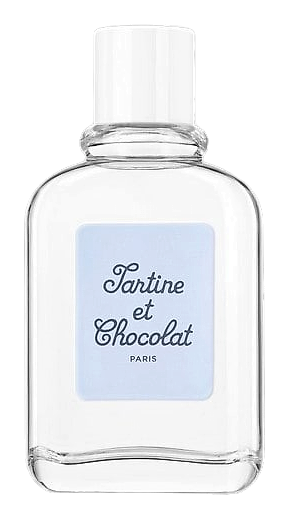
Ptisenbon was designed as an introduction to fragrance culture, the first scent a young woman might wear, chosen not to announce herself but to discover what fragrance feels like. Michèle Saramito built the composition around clarity and immediate appeal, avoiding complexity for its own sake. The name itself carries affection in French, a term of endearment, something said to a child. The 1988 launch under Givenchy licensing positioned this accessible, warm fragrance within a respected fashion house context, giving it credibility without intimidation.
What makes Ptisenbon distinctive is its restraint. The citrus top isn't aggressive, it's green, natural, meant to evoke the feeling of morning rather than make a statement. The floral heart of honeysuckle, lily of the valley, and jasmine doesn't compete; it floats. And the base of musk and oakmoss provides warmth without weight. This is a composition designed for someone who hasn't learned to love fragrance yet, it's inviting rather than challenging, building preferences rather than confirming them.
The evolution
The opening hits bright and green, citrus oil with galbanum giving it a natural edge rather than a synthetic shine. Within minutes the florals arrive, honeysuckle first, then lily of the valley, transparent jasmine settling in beside them. The transition isn't dramatic; it's a slow unfurling, like a garden waking up. By the second hour the musk becomes more apparent, blending with oakmoss and amber into something powdery and warm. The Brazilian rosewood keeps it from going too dry. What remains is a clean, soft warmth close to the skin, not a statement, just a memory of freshness. On fabric, it lingers longer, almost like clean laundry left to dry in morning air.
Cultural impact
Ptisenbon holds a unique place in fragrance history as one of the first scents explicitly designed for younger wearers. Launched by children's fashion house Tartine et Chocolate in 1988, it represented a deliberate crossover between the world of childrenswear and fine fragrance. The Givenchy licensing arrangement brought this unusual concept to a wider audience, positioning the scent as an accessible entry point into fragrance culture. The emphasis on clarity, freshness, and gentle composition reflected both the brands identity and the minimalist aesthetic of late 1980s perfumery. While longevity concerns persist, Ptisenbon carved out a niche that still resonates today, influencing how the industry approaches youth-oriented fragrances.