
The Story
Why it exists.
The beginning
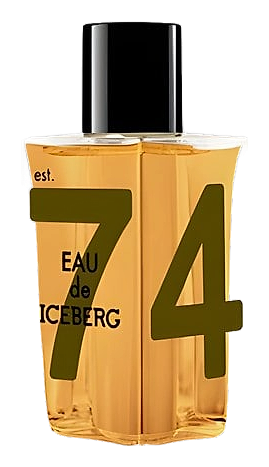
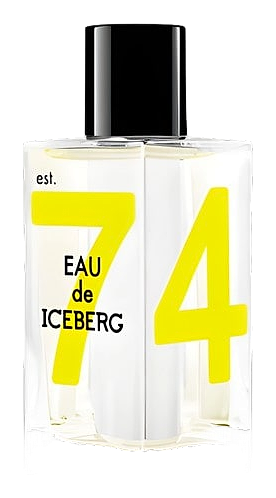
The Eau de Iceberg 74 collection arrived in Spring 2013 with three new flankers, Sensual Musk for women, Sandalwood and Oud for men. This one was built around a simple premise: sandalwood doesn't have to mean heavy, precious, occasion-only. The brief was woody-warm with mass appeal, something you could reach for on a Tuesday morning without overthinking it.
The unexpected ingredient is milk. Not dairy accords or lactonic synthetics, milk in the heart, bridging the fresh opening and the woody base. It softens the Java vetiver and cedar into something wearable rather than austere. Combined with Australian sandalwood and Venezuelan tonka bean, the drydown reads more cozy than complex. This is a fragrance for people who want warmth without homework.
The evolution
Bergamot and black pepper arrive first, a quick spark that gives way as the fragrance evolves. Then the milk arrives and takes over the heart, rounding the cedar and vetiver into something smooth. The sandalwood settles into the base, eventually becoming the dominant note in the drydown. The final phase brings sandalwood and tonka bean, close to the skin, intimate. Four hours in, it still whispers. Not a projection fragrance, a presence you have to lean in to catch.
Cultural impact
Iceberg launched its first fragrance in 1989, establishing itself within the Italian fashion perfume space alongside houses like Moschino and Versus. The 2013 release of Eau de Iceberg Sandalwood brought a woody scent profile to the brand's lineup. Iceberg's identity is rooted in contemporary Italian fashion, with the house itself established in 1974. The fragrance was positioned for consumers seeking accessible luxury without the complexity associated with oud or niche wood notes, offering a sandalwood-forward character that stands apart from more challenging woody compositions on the market.