
The Story
Why it exists.
The beginning
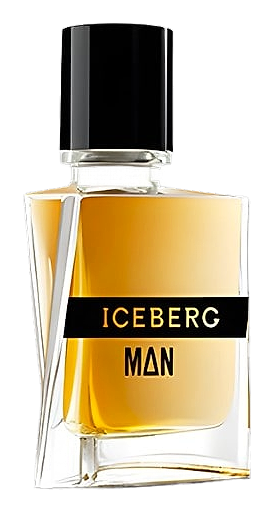
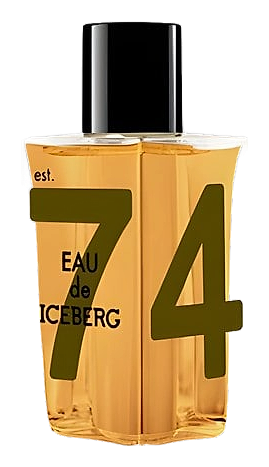
In 2012, Iceberg expanded its Eau de Iceberg collection with two new flankers, Wild Rose for women and Oriental for men. Guillaume Flavigny built Oriental as a concept piece: a fragrance constructed entirely around one ingredient. Amber. Not amber as a modifier or a supporting note, but amber as the entire argument. The brief was to trace every face of the material, from its cool mineral aspect to its deepest resinous warmth.
The perfumer stacked three amber-adjacent materials in the base, opoponax, benzoin, and ambergris, each offering a different take on warmth. Opoponax brings a honeyed, slightly vanillic softness. Benzoin adds a tactile, almost sticky resinous quality. Ambergris ties them together with a cool, animalic undertone that keeps the whole composition from becoming syrupy. In the heart, ebony wood gives the composition its structure, dry, slightly smoky, almost medicinal in the way quality ebony can be, while frankincense adds a wiry, aromatic counterpoint. The clary sage is the quiet connector, lending an herbal freshness that prevents the whole thing from going flat.
The evolution
The opening hits fast: rum's sweetness, cinnamon's heat, thyme's green-bitter edge. It reads almost like a cocktail, boozy, spicy, attention-getting. That phase lasts maybe 20 minutes before the heart takes over. The ebony arrives quietly, a dry wood note that grounds the sweetness without fighting it. Frankincense appears next, lending a faint smoky incense quality. By hour two, the top notes have dissolved and what remains is warm, balsamic, and close to the skin. The ambergris emerges in the base as a cool counterbalance to the benzoin and opoponax, salt and honey, basically. The drydown holds for several hours on most skin types, projecting moderately but lasting long enough that you'll still catch traces of it the next morning.
Cultural impact
Eau de Iceberg Amber arrived in 2012 during a notable resurgence of amber-focused orientals in the broader fragrance market. Iceberg, the Italian fashion house founded by Gilmar Group in 1962, brought its avant-garde sensibility to fragrance design, creating scents that often balanced youthful energy with unexpected sophistication. The 2012 launch positioned this fragrance within a broader cultural moment, when amber notes were being reimagined by niche and designer houses alike. Its moderate price point and composed wear made it a quiet contender in a crowded segment, appealing to those who appreciated warmth without excess sweetness or heaviness.