



Heritage
A house, in its own words
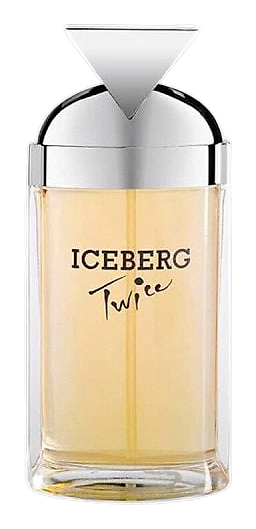
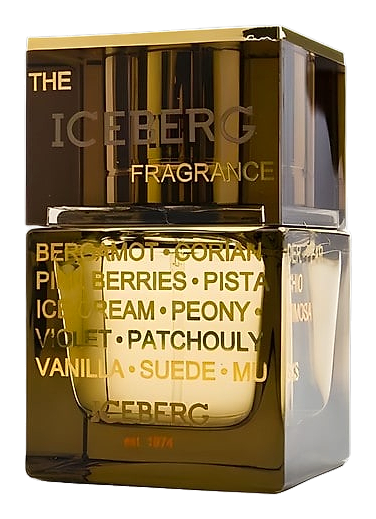
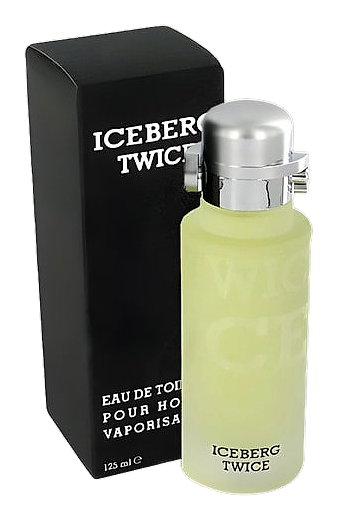
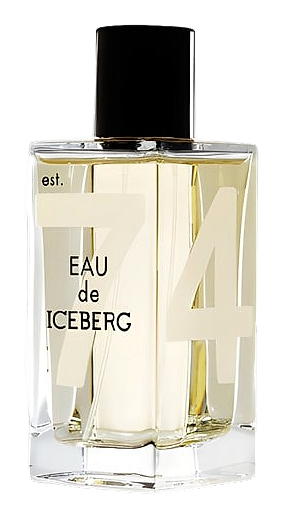
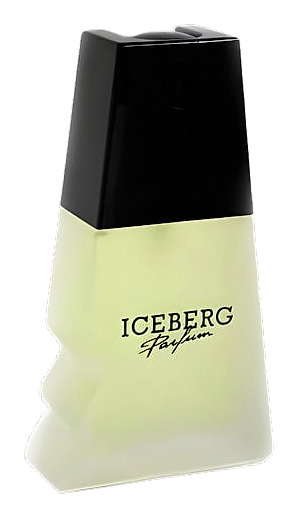
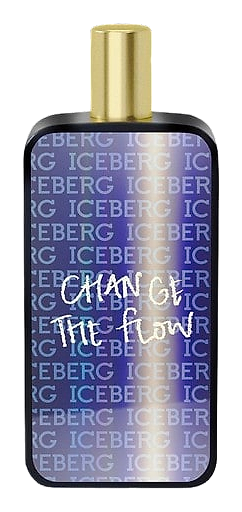
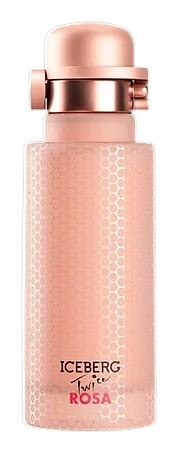
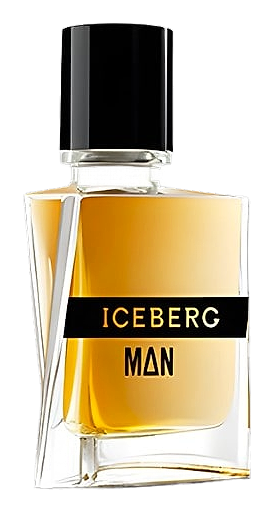
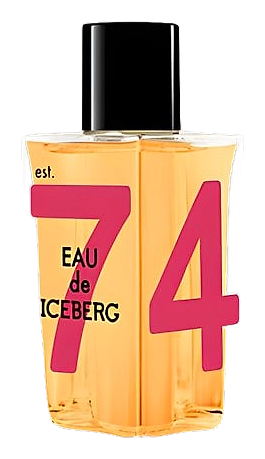
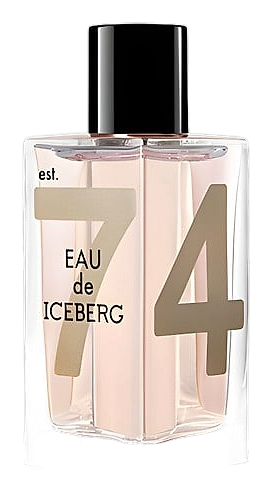
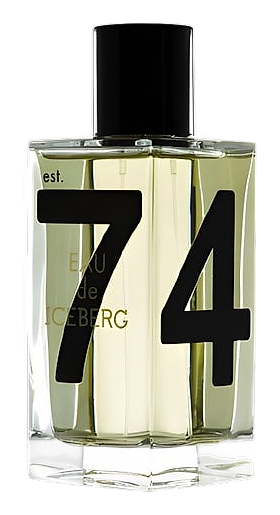
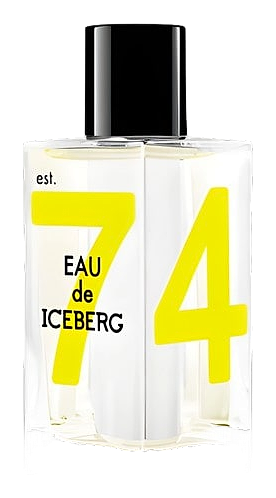
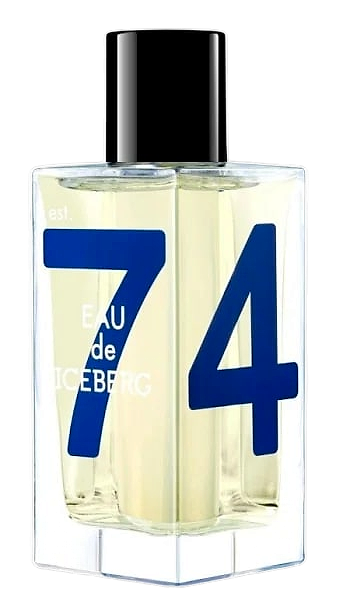
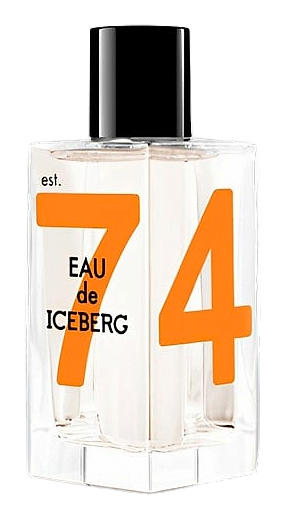
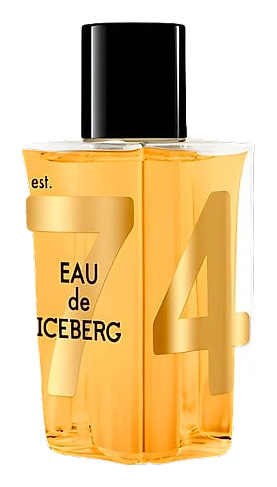
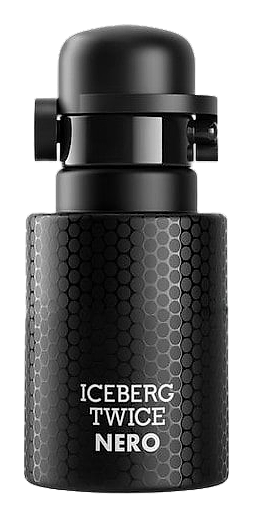
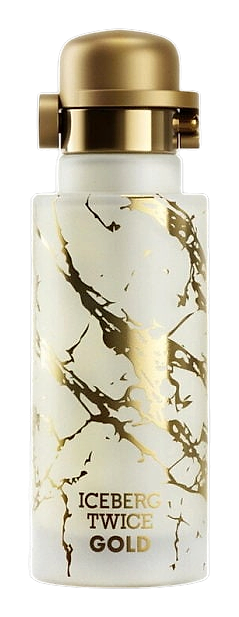
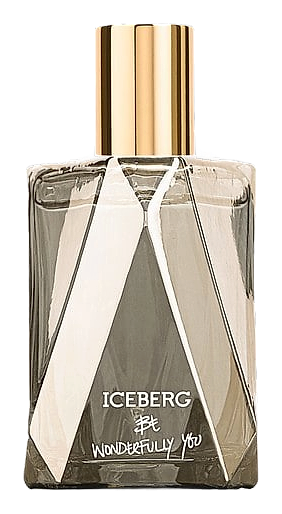
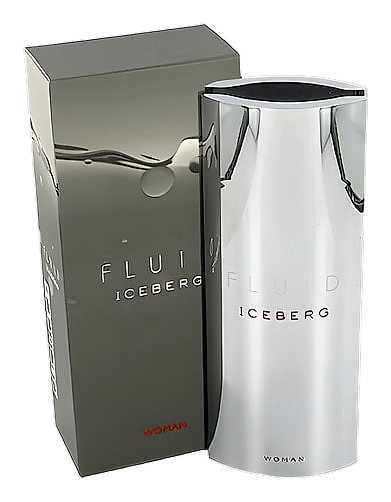
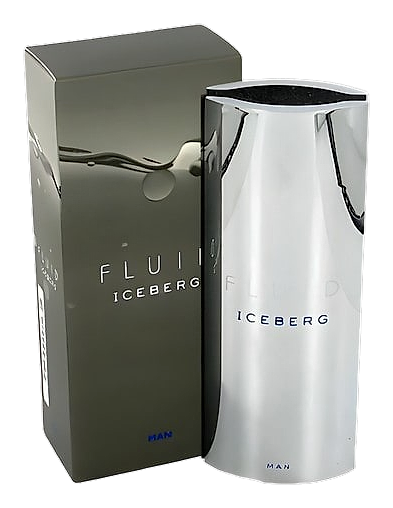
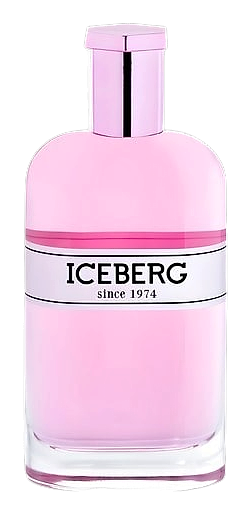
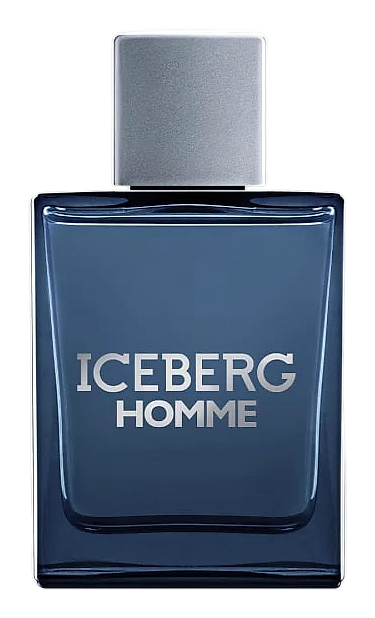
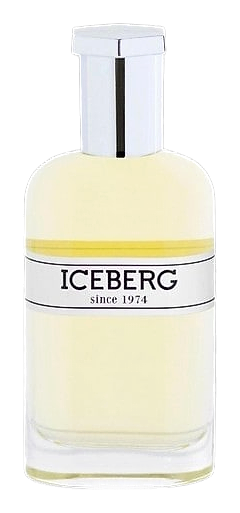
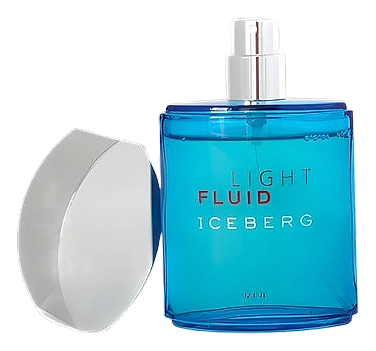
The story of Iceberg begins in 1974 in the Lombardy region of Italy, when Silvano Gerani and his wife Giuliana Marchini launched a label dedicated to sports‑inspired clothing. Their aim was to create garments that could move from the gym to the street without sacrificing style. Within a decade the house broadened its scope, adding accessories and childrenswear to its catalogue, and by the early 1990s it entered the fragrance market. The first perfume, Iceberg Fragrance, appeared in 2008, followed quickly by Iceberg for Men in 2009. In 1995 the brand introduced the Twice line, a series that would become a reference point for fresh, aquatic scents and later celebrate its 25th anniversary with a limited edition release. The early 2000s saw the launch of the Fluid series – Fluid Woman and Fluid Man – both released in 2000 and noted for their modern, vibrant compositions. A notable milestone arrived in 2013 with Eau de Iceberg Oud, a rare foray into the rich, resinous world of oud, signaling the house’s willingness to explore deeper olfactory territories. 2015 added Iceberg Man, a masculine reinterpretation of the brand’s signature freshness, while 2018 marked the release of Iceberg Since 1974 for Him, a nod to the label’s heritage. The most recent additions include Change The Flow (2022) and Twice Cyan (2025), confirming Iceberg’s continued relevance in a fast‑moving market. Throughout its history the brand has remained anchored in its original ethos: sport‑driven, youthful, and unmistakably Italian. Iceberg’s creative vision rests on the idea that style should keep pace with an active lifestyle. The founders described the brand’s mission as designing sportswear that "seamlessly accompanies an active, energized lifestyle," a principle that extends to its perfume line. Rather than chasing fleeting trends, Iceberg seeks to capture moments of movement – a sprint, a sunrise run, a cool breeze – and translate them into scent. The house values accessibility, aiming to offer high‑quality fragrances at a price point that invites everyday wear. Sustainability appears in the brand’s sourcing choices; reports indicate that raw materials such as citrus and marine accords are obtained from established European suppliers with traceable supply chains. Collaboration is another pillar: Iceberg works with external perfumers, allowing fresh perspectives while retaining a consistent brand voice. The label also embraces a gender‑fluid approach, releasing scents that appeal across the spectrum and often blurring traditional masculine and feminine notes. This inclusive stance reflects a broader cultural shift toward versatility in fashion and fragrance, positioning Iceberg as a forward‑looking yet grounded participant in the industry.