
The Story
Why it exists.
The beginning
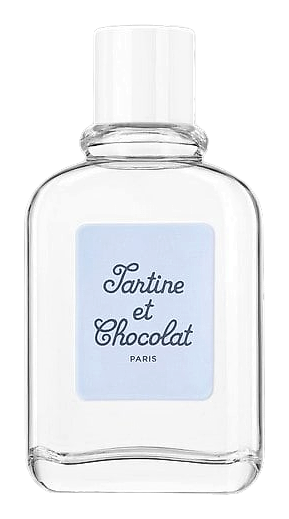
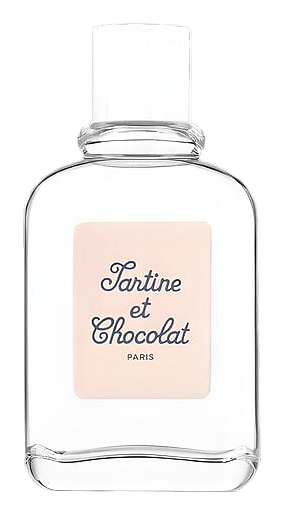
Tartine et Chocolat has built its body of work around compositions that invite rather than intimidate. Ptimusc continues that philosophy with a subtle, whisper-soft musk wrapped in white chocolate, crafted for someone who doesn't need a room to notice they're wearing something good. The composition layers creamy white chocolate notes against a clean musk base, creating a sensation that feels cozy and understated. It was designed as the kind of fragrance that accompanies you into the world rather than announcing your arrival. The name itself suggests something small and personal. This is intimate, not performative.
White chocolate in perfumery rarely smells like a confection. Here it reads more as cream, a sweetness that never quite declares itself. The almond adds a nuttiness that balances without sweetening. Orange blossom gives just enough lift to keep the top notes from feeling heavy. Then the musk arrives, not as a statement but as warmth, the base that makes everything else feel like skin rather than perfume. The result is something that stays close. Very close. Not an afterthought fragrance, but one that rewards wearing rather than projecting.
The evolution
The opening doesn't arrive so much as appear. Almond and orange blossom ease in without fanfare, a quiet entrance that could almost be missed. Then the white chocolate becomes apparent. It doesn't smell like dessert. It smells like the idea of dessert, softened and worn down to something gentler. The musk takes its time, but when it arrives it changes the character entirely. What was creamy becomes skin-like. What was sweet becomes warm. The drydown is the tell. It's not a fragrance that leaves a room. It's one that stays on skin, close enough to smell the next morning if you bother to check. Lasts longer in cool weather, when the warmth has somewhere to hold.
Cultural impact
Ptimusc stays close to the skin, which allows its subtle notes to unfold gradually. The white chocolate opens with a gentle sweetness before the soft musk base anchors the composition into something quieter and more intimate. The sillage remains restrained, never demanding attention, making it the kind of fragrance that someone notices only when they're standing nearby. In a market where many fragrances compete for presence, Ptimusc offers a different proposition. It asks you to lean in, to get close, to discover something that rewards attention without ever insisting on it. The fragrance knows what it is and doesn't try to be anything else.
The House
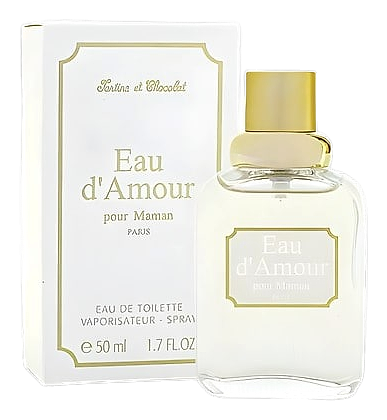
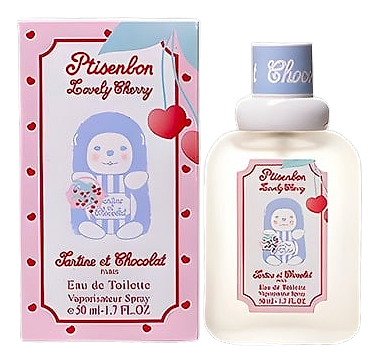
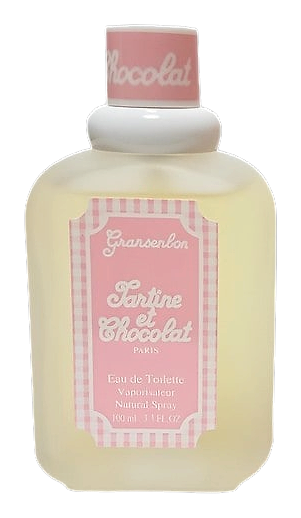
Tartine et ChocolatTartine et Chocolat is a French fragrance house founded in 1977 by Catherine Painvin. The brand carved out a distinctive niche in the perfume world by creating scents specifically designed for younger audiences, particularly young women entering the world of fragrance for the first time. The name itself evokes the warm, comforting imagery of French daily life, literally translating to "slice of bread and chocolate." Tartine et Chocolat became best known for its Ptisenbon line, which launched in 1987 under a licensing agreement with Givenchy. The brand operates a boutique at 266 boulevard Saint-Germain in Paris, a location that opened in 1995.
The Creator
Celine PerdrielCéline favors aromatic fougere and woody-spicy architectures, yet she does not shy away from bright citrus or creamy amber. In “Absinthe Lavender” she pairs the herbal edge of wormwood with the clean lift of lavender, creating a crisp, slightly bitter opening that settles into…