
The Story
Why it exists.
The beginning
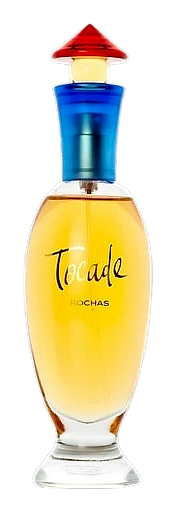
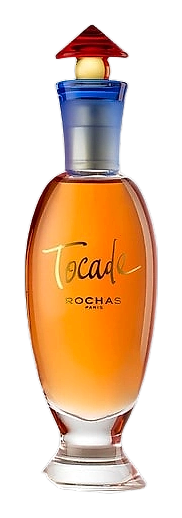
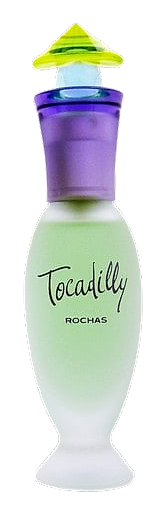
Tocadilly arrived in 1997 from perfumer Christopher Sheldrake, designed as the younger sibling to Rochas's Tocade, same Serge Mansau bottle, different palette. The fragrance pivots toward lilac and cucumber, cooler and greener than expected. Lilac brings a dewy, almost petrichor-like quality to the opening, while cucumber adds a crisp, clean element that feels like biting into a fresh slice. The combination creates a sensation of cool air and morning garden mist. Freshness without sharpness, floral without sweetness, warmth without heaviness, a balance that sounds simple but rarely lands this cleanly.
What makes Tocadilly unusual is its use of coconut not as a tropical gimmick but as a bridging material, connecting the dewiness of the opening to the powdery close without ever fully announcing itself. The hyacinth contributes a green-floral intensity that's almost waxy, lending body to what could have been a delicate exercise in restraint. The composition walks a line between aquatic and powdery that few have replicated successfully. The cucumber keeps everything grounded and fresh, the sandalwood and musk ensure the drydown doesn't disappear.
The evolution
Lilac and cucumber hit first, that dewy, slightly green freshness that announces itself without demanding attention. The cucumber retreats within minutes, leaving the lilac to linger alongside an emerging coconut warmth that feels less tropical than creamy. The white florals arrive next, hyacinth leading with a waxy intensity that gives the heart real body. Then the transition: the florals soften, the coconut settles, and what emerges is powdery and close, sandalwood and musk wrapping around skin rather than filling a room. By hour four, it's a skin scent in the best sense, detectable only to the wearer, intimate and warm, the kind of presence that someone leaning in would notice.
Cultural impact
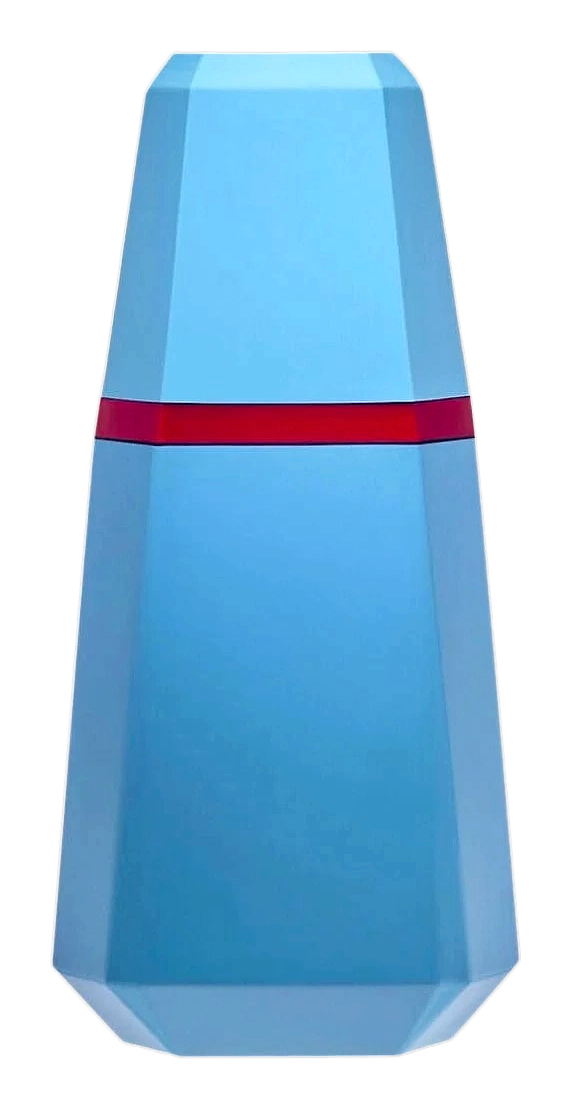
Tocadilly sits squarely within the late-90s aquatic-floral tradition, part of a broader movement toward fresh women's fragrances. The addition of coconut and the powdery drydown distinguish it from more straightforward aquatics, giving it a warmth that prevents it from reading as merely refreshing. It was discontinued at some point, which has made it harder to find but more interesting to those who seek it out. The Serge Mansau bottle, shared with Tocade, remains one of the more distinctive shapes from the period. The faceted glass and rounded shoulders give it an architectural quality that still looks contemporary.
The House
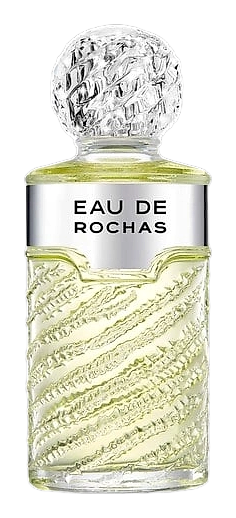
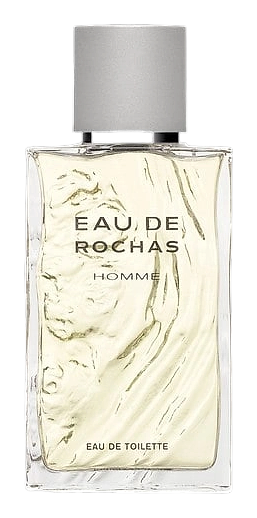
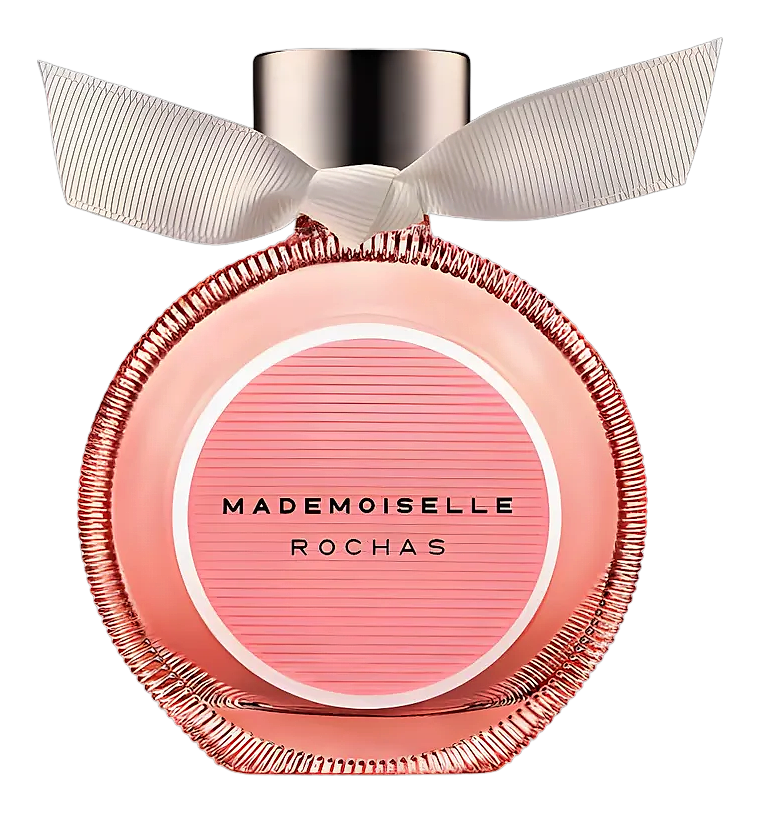
RochasRochas is a French perfume and fashion house established in Paris in 1925 by couturier Marcel Rochas. The house began as a haute couture fashion brand before transitioning into a fragrance powerhouse under the leadership of Hélène Rochas following her husband's death in 1955. Today, Rochas maintains both a fashion division under creative director Alessandro Vigilante and a fragrance collection of 84 perfumes, managed by in-house perfumer Jean-Michel Duriez since 2008. The house is currently owned by Procter & Gamble, which acquired Rochas in 2003. Notable fragrances include Femme (1943), Eau de Rochas (1970), Mademoiselle Rochas (2010), Girl (2015), and Mademoiselle Rochas Couture (2023). The house continues to reinterpret its heritage of Parisian elegance and feminine audacity across both fashion and fragrance.
The Creator
Christopher SheldrakeSheldrake's olfactive identity resists easy classification, spanning oriental grandeur, gothic florals, and translucent musks with apparent effortlessness. His Serge Lutens work particularly reveals a maximalist streak, with fragrances like Muscs Koublai Khan delivering overwh…