The Story
Why it exists.
The beginning
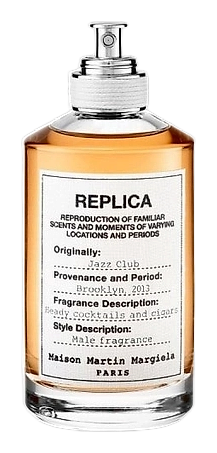
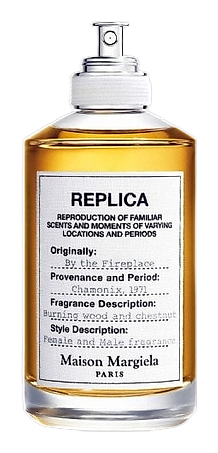
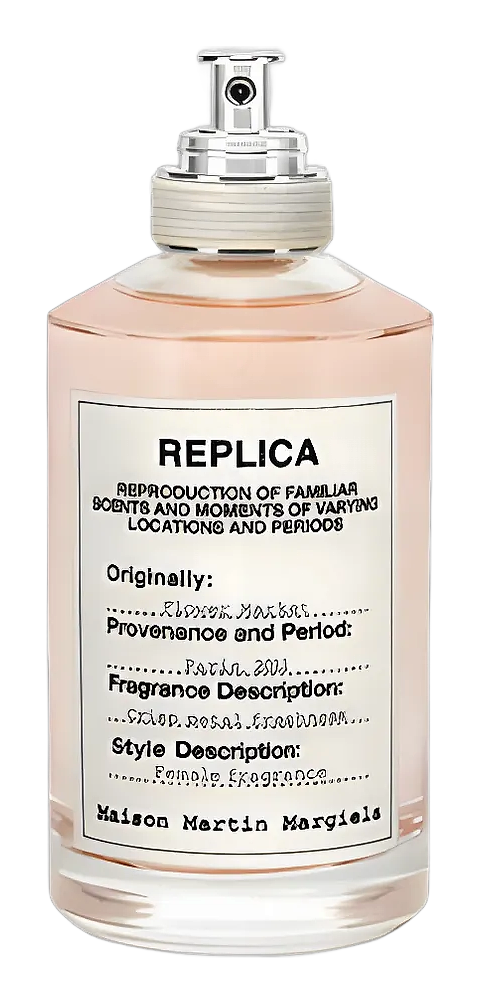
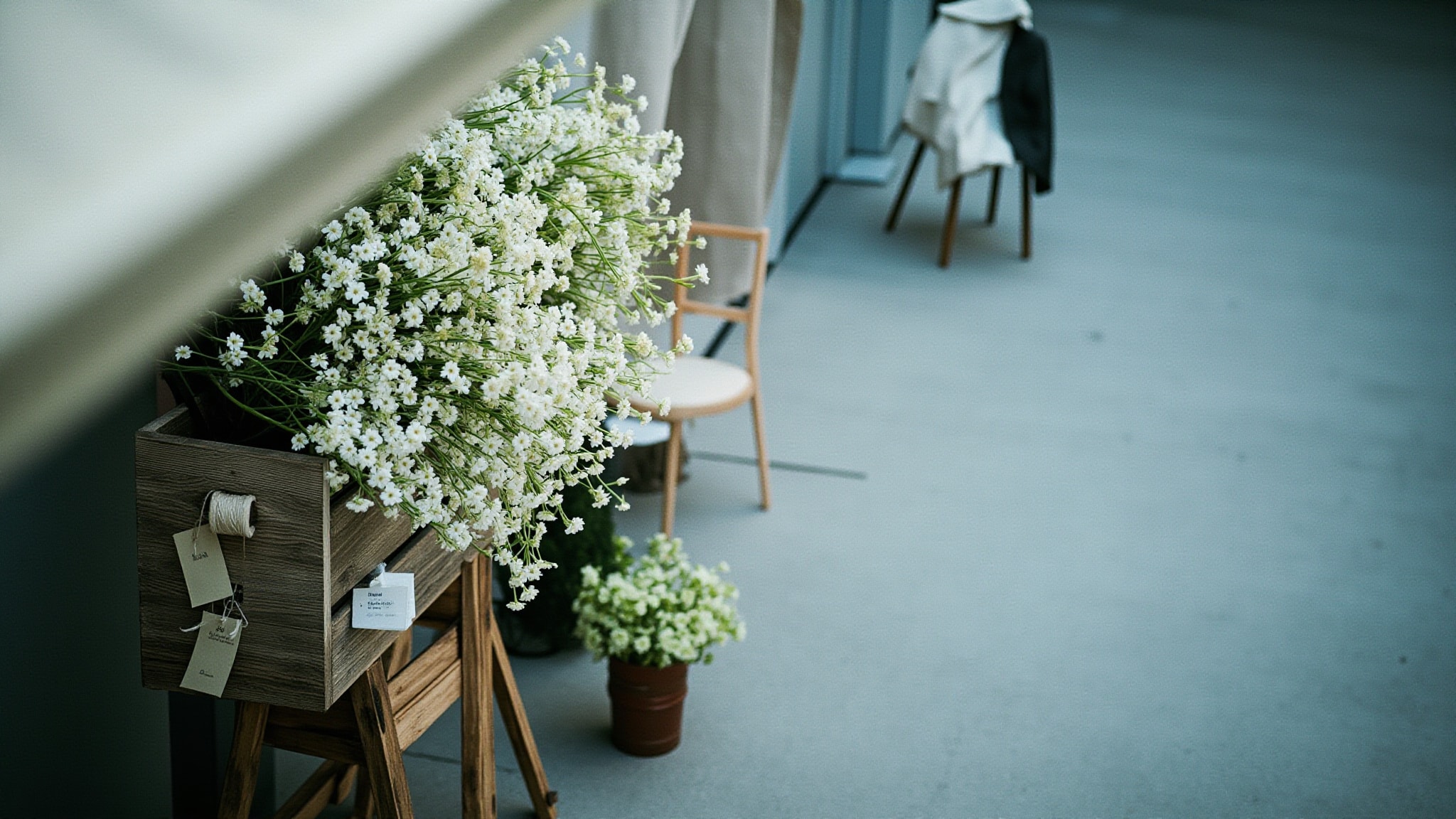
In 2012, Maison Margiela extended the Replica concept, its fashion line's philosophy of reconstructing familiar garments and familiar moments, into scent. Flower Market was the opening chapter. The brief wasn't a note list. It was a feeling: the sensory overload of navigating a bustling wholesale flower market on a cool morning. Jacques Cavallier-Belletrud and Marie Salamagne were given that memory and asked to translate it. Not a bouquet. The entire experience, the green dampness, the sweetness, the density of blooms stacked high under corrugated light.
What makes Flower Market's structure interesting is that the heart refuses to settle around a single floral. Most fragrances build around one dominant white flower. Here, three absolutes, tuberose, jasmine sambac, and Grasse rose, arrive in succession and overlap, creating a chorus rather than a solo. The effect reads as lush, almost heady, yet the green top notes and the oakmoss base keep pulling it back toward something cooler and more grounded. It's not a quiet floral. It's a crowded one, the way a real market is crowded, each bloom competing for attention, but the composition holds it together.
The evolution
The opening arrives clean and sharp: freesia cutting through green stems, something watery in the background that reads as morning mist or the aftermath of rain on petals. It doesn't linger long. Within minutes, the white florals take over. First tuberose, creamy, slightly indolic, present. Then jasmine, which adds sweetness and texture. The rose is quieter, almost a bridge between the two. The heart phase lasts roughly two to three hours on most skin, and it's the fragrance's defining character: lush, saturated, floral-forward. The base arrives as a slow departure, cedar and oakmoss grounding the florals, peach softening the moss. Not dramatically different from the heart, but gentler, closer. By the fourth or fifth hour, it settles into something skin-close.
Cultural impact
Flower Market helped establish Replica's identity within a crowded fragrance market. Rather than positioning scent as status, Margiela framed it as a trigger for personal memory, a subtle but distinct shift in how luxury fragrance could be discussed. The house's minimalist apothecary bottles and cotton-thread labeling reinforced the idea of something functional and accessible, not ceremonial. It created a category of its own.