The Story
Why it exists.
The beginning
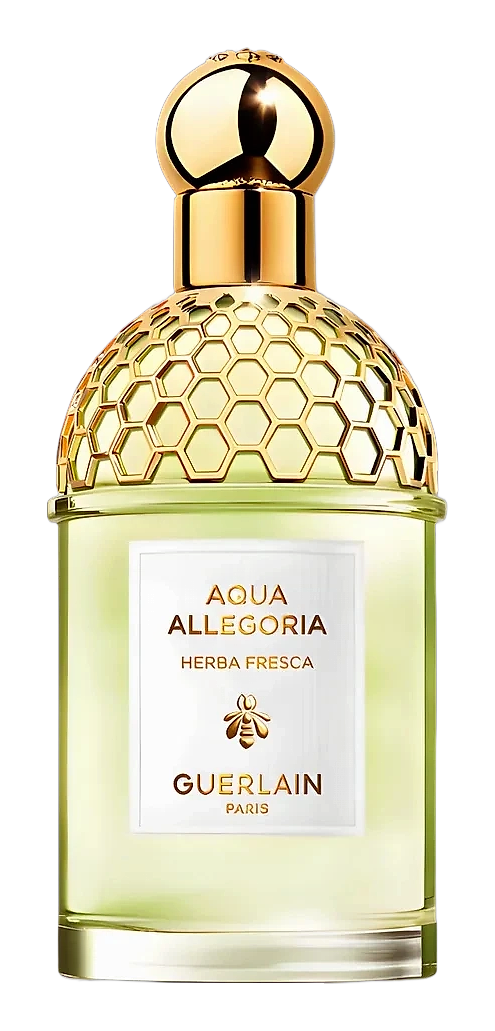
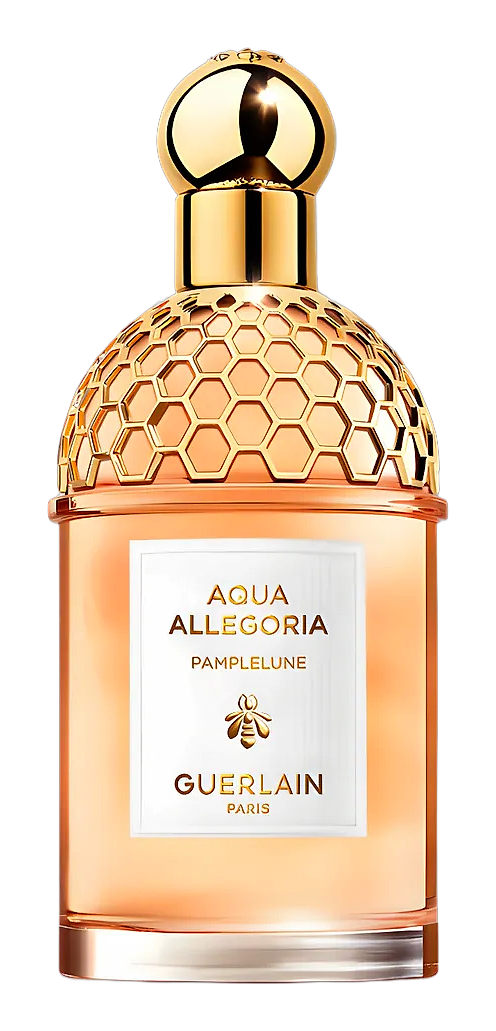
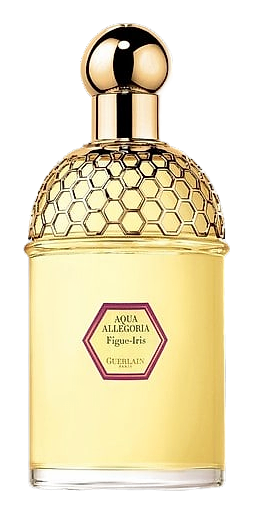
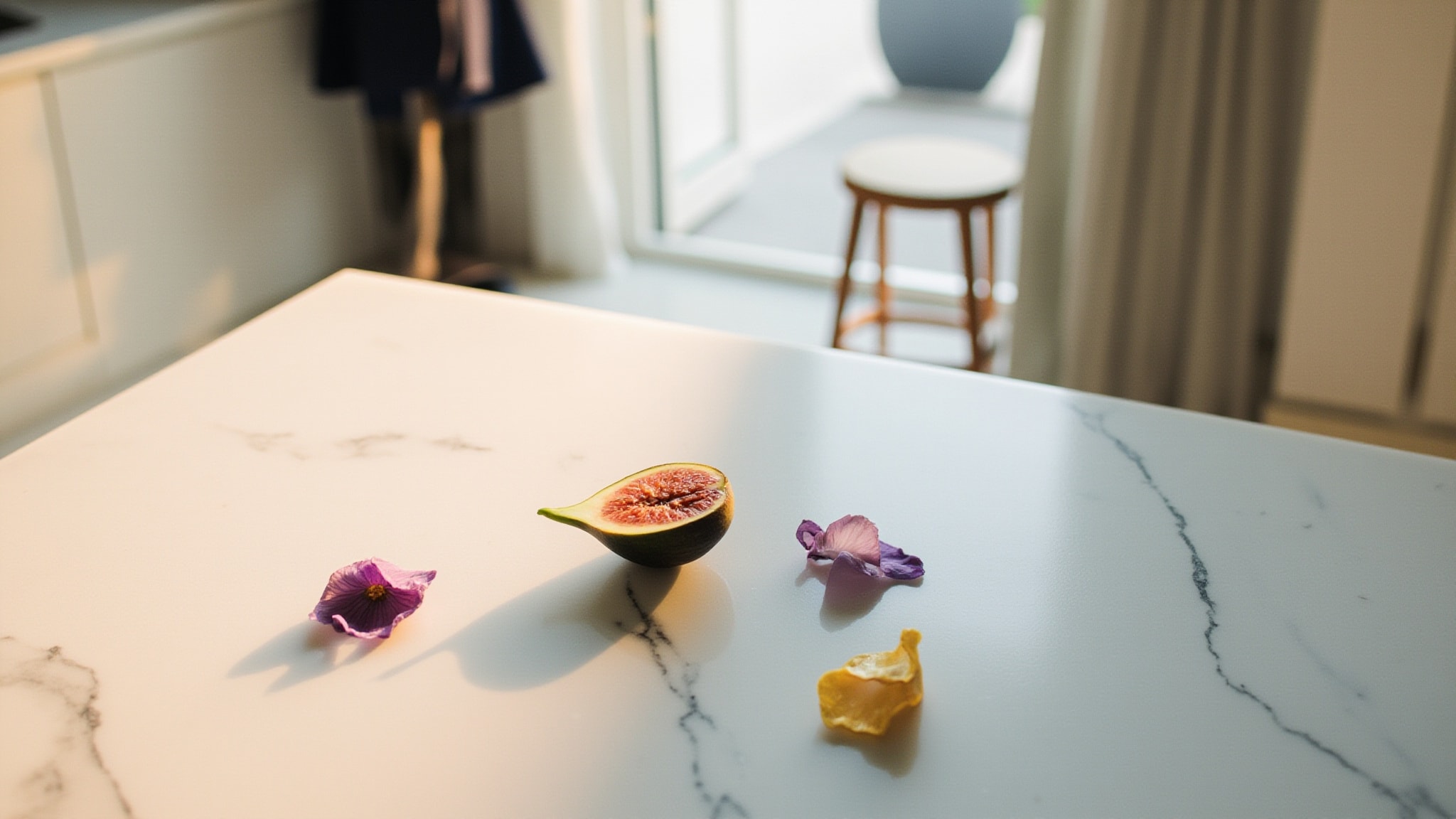
The Aqua Allegoria line arrived in Guerlain's lineup as an exploration of freshness, aquatics, greens, citruses played at their most luminous. Figue-Iris, launched in 2008 under Jean-Paul Guerlain's direction alongside Marie Salamagne and Sylvaine Delacourte, took a different path. Instead of chasing the season's aquatic trends, it looked inward, toward the fig tree itself, not the Mediterranean fantasy of it. The green fruit. The leaves. The quiet earthiness underneath.
What makes Figue-Iris unusual is the pairing: fig leaf and iris share no natural territory, yet here they meet in the heart of the composition. Iris brings its powdery elegance, a refined floral presence that adds weight and complexity. Fig leaf brings green, vegetable weight, the smell of stems snapped fresh. Together they create a tension that most fragrances avoid: fresh and grounding at once. The vanilla-vetiver base keeps it warm without pushing into sweetness, a rare balance in a powdery composition.
The evolution
The opening hits with grapefruit's bright tartness and bergamot's soft citrus, but violet is the first to announce itself, powdery, immediate, confident. Within minutes, fig leaf takes over the green work, its leafy bite cutting through the violet's softness. The iris arrives quietly, settling in like a held breath. Then the handoff: vanilla warms the composition from underneath while vetiver roots it, earthy and dry. The dry down reveals a powdery-vanilla haze that stays close to the skin, intimate rather than projecting, present for hours as the notes slowly fade into a soft, warm trail.
Cultural impact
Figue-Iris occupied an unusual space at launch: neither the aquatic freshness of the Aqua Allegoria line nor the opulent warmth of Guerlain's heritage scents. The fig-iris pairing was polarizing from the start, with reviewers noting it felt like an unlikely marriage, and that was partly the point. The fragrance found its audience among those seeking something Guerlain hadn't quite made before, something that refused the house's usual smoothness.