The Story
Why it exists.
The beginning
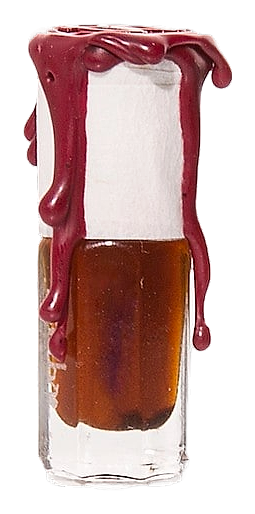
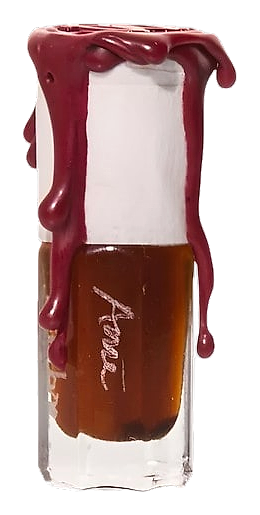
Faghia arrived in 2024 from Sultan Pasha Attars, a house that works almost exclusively with natural raw materials and natural oil compositions. The composition reads as a deliberate study in classical rose perfumery at its most concentrated: saffron for warmth, and a base built on Mysore sandalwood, oud, and aged musks. Rose absolute sits at the center, present and unsoftened, supported by a dense architecture of resins and woods. Sultan Pasha built this as a committed expression of a particular tradition, not a hybrid or compromise aimed at broader audiences. Faghia is part of a small, considered catalog that values intimacy over reach, depth over trend. It sits alongside compositions such as Al Hareem, Irisoir, and Basmati Rose, each one a quiet argument for slow perfumery.
What makes Faghia technically interesting is the layering of two distinct rose absolutes: Persian rose at the top and Bourbon rose centifolia in the heart. That doubling isn't decorative. Persian rose brings density and a fermented, almost jam-like quality, while Bourbon rose adds a fresher, dewy facet that keeps the composition from collapsing into pure syrup. Pair that with orris butter, beeswax, and deer musk, and you get a texture rather than a simple list of notes. Shamamatul amber attar in the base contributes a classical Indian-style resinous sweetness.
The evolution
The first thirty minutes hit with Persian rose absolute, saffron's dry heat, and orris root's cool powder. It's heavy from the start, no bright citrus to soften the landing. By the second hour, orris butter and jasmine have moved in, and the composition gets waxy, almost tactile. Beeswax begins its slow rise around the third hour, giving the whole thing a golden, candlelit texture. The animalic notes, including deer musk and white ambergris, emerge gradually rather than arriving with a statement. By hour six, Mysore sandalwood and oud anchor everything into a warm, skin-close drydown. Shamamatul amber adds a resinous sweetness that lingers. On fabric the next morning, the wax and sandalwood hold, slightly musky, still unmistakably rose. It doesn't fade so much as deepen into something private.
Cultural impact
Faghia sits within a small but devoted corner of attar perfumery where rose-oud compositions are valued for their depth, material quality, and willingness to let classical structures speak for themselves. It shares shelf space with Sultan Pasha's own Al Hareem, and exists within a wider landscape of natural oil perfumery that includes compositions built on Mysore sandalwood, aged musks, and shamamatul-style amber bases. The fragrance doesn't chase a moment. It arrives already steeped in one. Within that context, rose-oud work is judged less by novelty and more by how honestly it handles materials that have been in use for generations.