
The Story
Why it exists.
The beginning
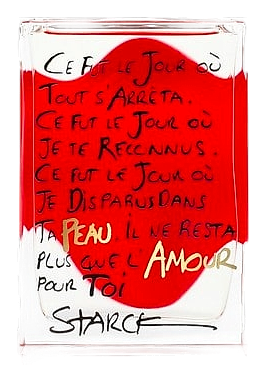
Peau d'Amour translates to 'skin of love', an apt name for a fragrance that captures the essence of intimacy. The four sentences printed on the bottle read like fragments from a surrender letter: 'It was the day I recognized you. It was the day I disappeared into your skin. There was nothing left but love for you.' Dominique Ropion composed this scent with an understanding of how fragrance can evoke the feeling of closeness, building layers that speak to the connection between skin and scent. The composition moves through different phases, each one contributing to an overall sense of warmth and presence that lingers close to the body.
What makes Peau d'Amour structurally interesting is its deliberate refusal to be a statement fragrance. The pyramid stacks fruity-sweet top notes against white floral warmth against powdery-amber depth, but the transitions between each layer are unusually smooth. The lily of the valley in the heart acts as a bridge, green enough to pull you out of the sweetness, watery enough to prep your skin for the amber warmth below. These layers work together to create a cohesive fragrance that feels intentional and well-crafted, with each component supporting the overall composition.
The evolution
The opening hits bright, raspberry bursting through mandarin's citrus pop, with just enough ginger to keep everything honest. No sweetness without resistance. As the initial burst settles, the florals begin their slow expansion. The jasmine and orange blossom don't crash the party; they arrive like someone entering a room and sitting down without announcement. The rose is quietest, most felt than smelled, a warmth rather than a note. By the time the drydown arrives, the tonka bean and amber create something powdery and warm that clings to skin rather than filling the room. Patchouli keeps the base honest, stopping the warmth from becoming abstract. The drydown lingers on skin and fabric, maintaining its soft, intimate presence.
Cultural impact
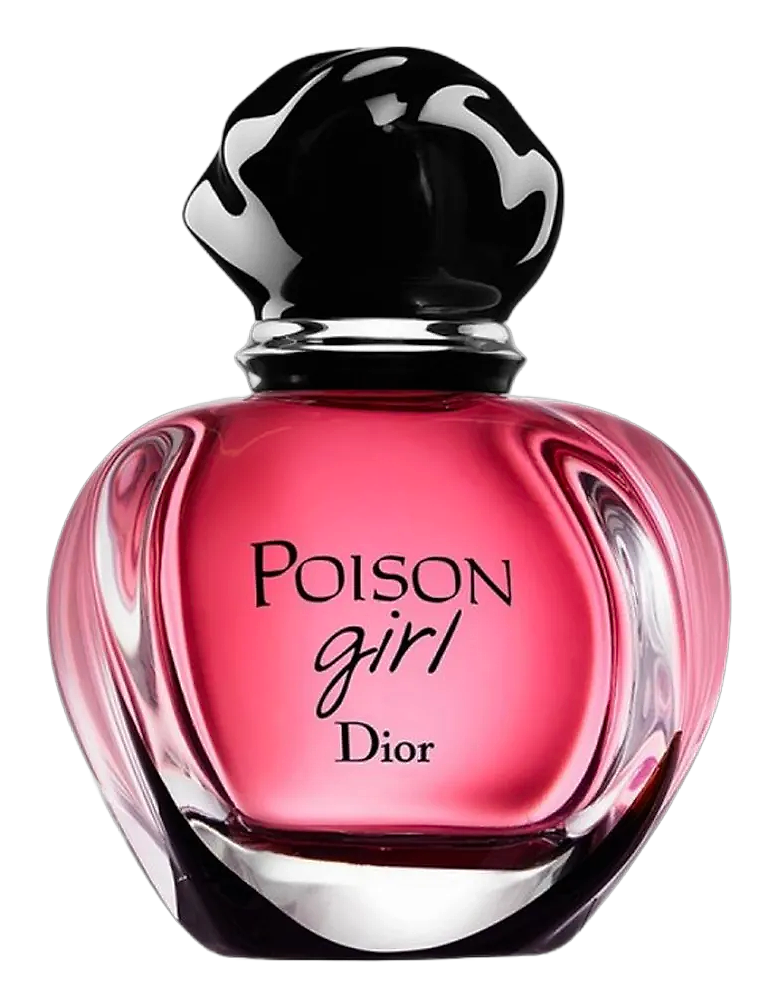
Peau d'Amour offers a distinctive approach to the floral-oriental category. Wearers describe it as the kind of scent someone notices only when they're close enough to hug, a quality that sets it apart. It occupies similar territory to established fragrances like Dior Poison Girl and Mugler Alien, yet distinguishes itself through its powdery warmth and nuanced construction. The Starck branding attracts consumers interested in innovative design who might not typically choose floral-oriental fragrances but are drawn to the conceptual approach to scent creation.