    Home/Brands/Starck
    Brand Profile

    Starck

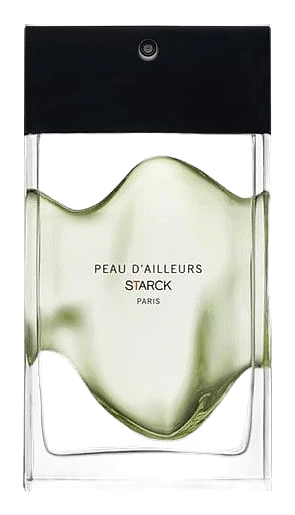
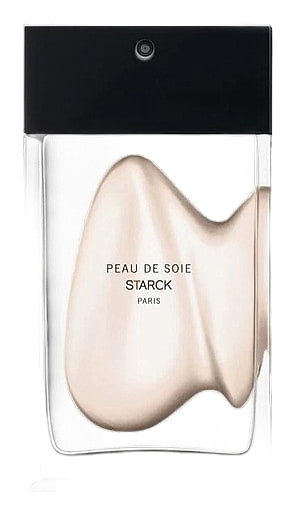
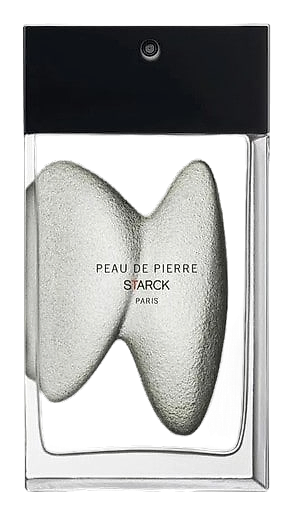
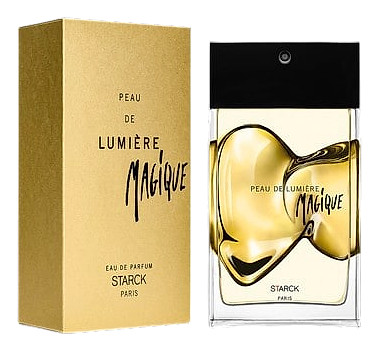
    Starck Paris is a French haute parfumerie house founded by industrial designer Philippe Starck, whose boundary-defying career spans product design, architecture, and now scent. The brand launched its first fragrance collection in 2016 with three initial expressions, collectively exploring the concept of skin as a canvas for olfactory experience. Each fragrance in the Peau series takes a different sensory angle on this theme, from Peau de Pierre evoking mineral warmth to Peau d'Ailleurs suggesting distant, imaginary territories. Starck brought aboard established perfumers Daphné Bugey, Annick Ménardo, and Dominique Ropion to execute the creative vision while maintaining distance from traditional fragrance development processes. The collection expanded over subsequent years to include Peau de Nuit Infinie in 2018, Peau de Lumière Magique in 2018, Peau d'Amour in 2020, and additional flankers. Rather than positioning itself within conventional fragrance categories, Starck Paris occupies a conceptual space where design philosophy intersects with sensory experience, appealing to collectors who appreciate interdisciplinary creative practice applied to perfumery.

    FranceEst. 2016
    3
    Fragrances
    3.9
    Avg rating
    Shop the collection
    SignaturePeau d'Ailleurs
    Peau d'Ailleurs
    EDT
    Community
    3.9
    Average rating
    across 3 fragrances
    Collection
    3
    Fragrances and counting
    Heritage
    2016
    Founded in France

    Most loved

    Bestsellers from Starck

    Peau d'Ailleurs by Starck
    Starck
    Peau d'Ailleurs
    3.7
    Compare prices
    Peau de Soie by Starck
    Starck
    Peau de Soie
    3.9
    Compare prices
    Peau de Pierre by Starck
    Starck
    Peau de Pierre
    4.1
    Compare prices
    Coming soonPeau de Lumière Magique by Starck
    Starck
    Peau de Lumière Magique
    3.9
    Coming soon
    Coming soonPeau d'Amour by Starck
    Starck
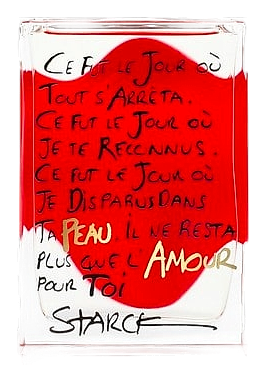
    Peau d'Amour
    4.1
    Coming soon
    Coming soonPeau de Nuit Infinie by Starck
    Starck
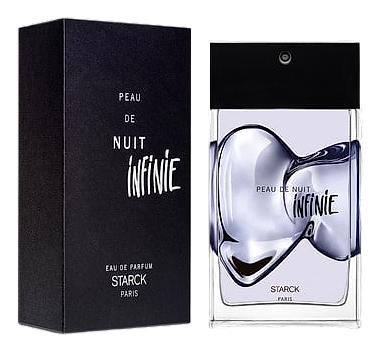
    Peau de Nuit Infinie
    3.9
    Coming soon

    Fresh in

    New from the house

    Peau d'Ailleurs by Starck
    Starck
    Peau d'Ailleurs
    3.7
    Compare prices
    Peau de Soie by Starck
    Starck
    Peau de Soie
    3.9
    Compare prices
    Peau de Pierre by Starck
    Starck
    Peau de Pierre
    4.1
    Compare prices
    Coming soonPeau d'Amour by Starck
    Starck
    Peau d'Amour
    4.1
    Coming soon
    Coming soonPeau de Lumière Magique by Starck
    Starck
    Peau de Lumière Magique
    3.9
    Coming soon
    Coming soonPeau de Nuit Infinie by Starck
    Starck
    Peau de Nuit Infinie
    3.9
    Coming soon

    Heritage

    A house, in its own words

    Philippe Starck established himself as one of the most influential industrial designers of the late twentieth century before turning his attention to fragrance. Born in Paris in 1949, Starck began his career as artistic director for Pierre Cardin's publishing house in 1969. By the mid-1970s, he had founded his own industrial design practice and began accumulating commissions that would define contemporary object design. His work includes the iconic lemon squeezer for Alessi, the Hotels particl inier concept for Ian Schrager, and countless furniture pieces, lighting fixtures, and architectural projects. Starck's entry into haute parfumerie came in 2016 with the launch of Starck Paris, representing a natural extension of his philosophy that good design should be accessible, democratic, and respectful of both users and the environment. The fragrance collection debuted as a trilogy conceived as a complete sensory experience rather than separate products. This approach reflects Starck's tendency to think in systems rather than isolated objects, a characteristic evident throughout his design career. The brand's positioning within haute parfumerie rather than mainstream fragrance reflects Starck's long-standing preference for working at the intersection of functionality and poetry.

    Starck approaches perfumery with the same conceptual rigor he applies to physical objects, asking fundamental questions about function, experience, and meaning rather than defaulting to industry conventions. A defining characteristic of his method involves deliberate distance from the creative process traditionally expected of a brand founder. Starck reportedly never discussed specific fragrance notes or ingredients with the perfumers working on his collection, instead conducting conversations centered on abstract sensations, emotional states, and experiential goals. This hands-off philosophical stance distinguishes Starck Paris from most prestige fragrance houses where founder involvement typically includes scent direction and ingredient selection. Starck has described perfume as a vibration of the air, drawing parallels to music and emphasizing the ephemeral, experiential nature of scent rather than its material composition. The Peau series explores the intimate territory of skin itself, treating fragrance not as decoration but as an extension of the wearer's physical presence. This conceptual framework positions the collection as an investigation of presence and memory rather than a commercial product line, aligning with Starck's broader design philosophy of creating objects that facilitate rather than decorate human experience.

    1969
    Philippe Starck begins career as artistic director for Pierre Cardin's publishing house
    mid-1970s
    Starck establishes his own industrial design practice in Paris
    2016
    Starck Paris launches with three initial fragrances: Peau de Pierre, Peau de Soie, and Peau d'Ailleurs
    2018
    Collection expands with Peau de Nuit Infinie and Peau de Lumière Magique
    2020
    Peau d'Amour joins the collection, marking the brand's most recent addition

    Did you know?

    Interesting facts

    01

    Philippe Starck reportedly never discussed specific fragrance notes or ingredients with the perfumers who created his collection, directing them instead through abstract conceptual conversations.

    02

    The industrial designer is credited with creating one of the best-selling objects of all time, the Alessi lemon squeezer, which has sold millions of units worldwide.

    03

    Starck has described perfume as a vibration of air, drawing a direct parallel to music and emphasizing the ephemeral, experiential nature of scent over material composition.

    04

    The Starck Paris fragrances were developed by three different perfumers working independently, each interpreting the Peau concept through their own creative lens rather than following a unified house direction.