
The Story
Why it exists.
The beginning
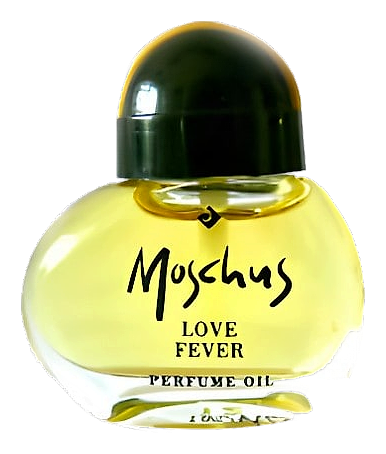
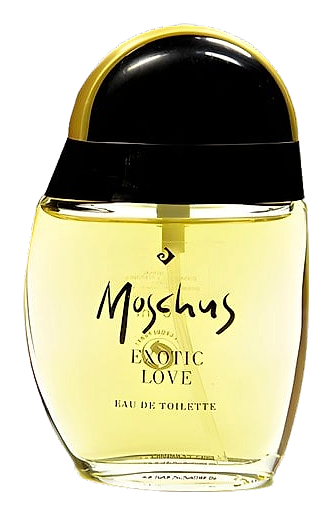
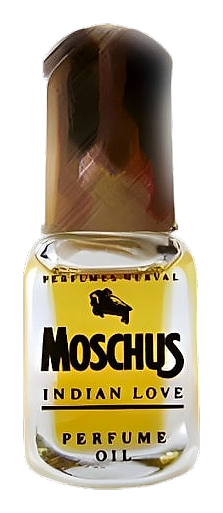
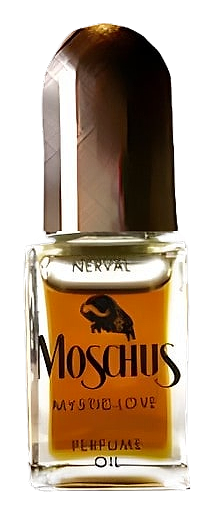
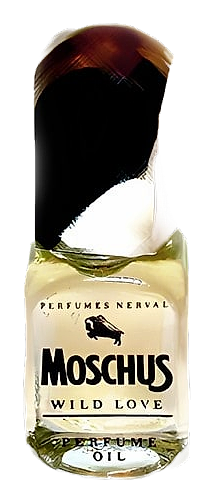
In 1980, Sophie Nerval released Moschus Wild Love, and the fragrance that bears its name carries an unusual conviction in its direction. Natural musk sits at the center of the composition, the kind of sourced material that gives the scent a warm, almost feral pulse from the first wear. The fragrance layers bright floral facets across a base of dense, animalic musk that reads more like skin than like a perfume note. The name does what names from this era often do: states the emotional proposition plainly, no coyness. It's wild in the sense of untamed, and it's love in the sense of something that holds on too tight to let go. The floral notes hover over the musk rather than competing with it, softening the edges of what would otherwise read as raw and overwhelming.
What makes Wild Love worth a second look is the sheer intensity of its musk accord and the way that intensity refuses to apologize for itself. Sophie Nerval composed these fragrances with intentional structure, giving the musk a backbone that keeps the animalic facets from collapsing into something muddy or indolic. The florals function as a softening lens rather than a counterweight, so what registers at arm's length is warmer and rounder than the close-skin impression, where the musk grows denser and more immediate. This is muskwork that doesn't flinch.
The evolution
The first ten minutes are surprisingly floral, a halo of petals suspended in something faintly sweet and almost powdery. Then the musk crashes in. It doesn't creep or suggest; it arrives like a change in temperature, coating everything in that warm, dense, skin-like character that the notes barely bother to translate. The woody base never announces itself separately. It exists as architecture, holding the whole composition vertical while the florals brighten slightly at the edges. As hours pass, the musk mellows into something closer and more private, the kind of scent that hovers at your collar and on your wrists when you cup your hand to your face. By evening, what remains is a soft, warm musk trail, the kind of drydown that hangs in the air around the wearer and leaves a persistent wake in rooms recently vacated.
Cultural impact
Moschus Wild Love arrived in 1980 as a musk-forward composition that pushed harder on the animalic facets than much of what surrounded it on the market. The tension around animal-derived ingredients was already a part of the conversation by the time of its release, and the fragrance's commercial arc played out against that shifting backdrop. Sophie Nerval built the Moschus collection with musk at its core, and Wild Love became one of the lineup's most discussed entries because of its unusually stripped-back architecture, three note families doing the work that other designers spread across eight or nine.