
The Story
Why it exists.
The beginning
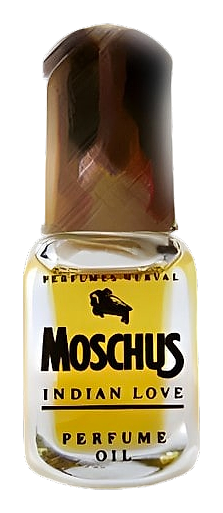
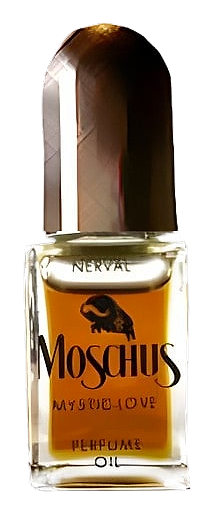
Moschus Mystic Love arrived in 1980 as part of Sophie Nerval's Moschus collection, a series that pushed natural musk to its most intense and unfiltered expression. This particular creation took a different path within the line, leaning fully into musk, floral, and woody territory with the kind of boldness that defined the era. Natural musk dominates the composition from the opening, and it carries an almost skin-like warmth that few materials can match in its raw, untreated state. Beneath that animalic pulse, the floral notes arrive not as decoration but as structural partners, lending a soft, almost creamy dimension that keeps the musk from veering into harshness.
What makes Moschus Mystic Love structurally interesting is its restraint in a genre known for excess. The composition holds the musk front and center from the first spray, refusing to bury its lead material beneath layers of competing sweetness or decoration. The floral and woody notes serve as architecture rather than ornament, giving the musk dimension without diluting its raw character.
The evolution
The opening lands close to the skin, dense and immediate, with that unmistakable animalic warmth asserting itself within the first minutes. There's no tentative citrus shimmer, no bright aldehyde lift to soften the entry. It arrives as musk, and it lets you know it. Through the first hour, the floral and woody elements begin to emerge from underneath, not replacing the musk but weaving through it, adding a slightly resinous texture and a faint powdery shadow that gives the composition shape. The heart phase, roughly two to four hours in, is where the fragrance settles into its most wearable stride. The musk softens just enough to feel lived-in rather than confrontational, and the wood lends a dry, almost bark-like quality that keeps it grounded. By hour six, the drydown takes over. This is where Moschus Mystic Love reveals its true staying power. The musk doesn't fade. It concentrates.
Cultural impact
Moschus Mystic Love occupies a specific niche in collector circles, valued for its bold use of natural animalic materials and the kind of unapologetic intensity that has become increasingly rare in modern perfumery. The fragrance was popular across Europe through the 1980s and 1990s, particularly in its perfume oil concentration, and wears that era's boldness openly. Its discontinuation has only sharpened its appeal among collectors who seek out warm, dense animalic scents that contemporary formulations tend to soften or replace with synthetic substitutes.