
The Story
Why it exists.
The beginning
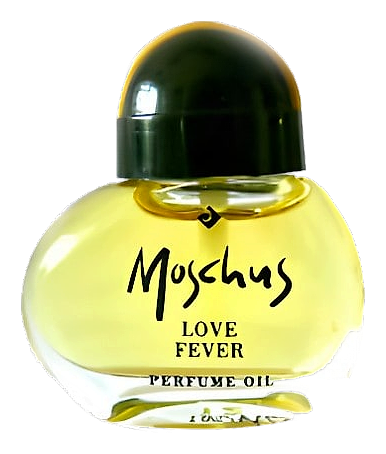
Sophie Nerval's Moschus collection places musk at the center of its compositions, and Love Fever occupies the warmer, sweeter end of that line. Powder and floral notes soften the opening, while spice adds a gentle warmth before the fragrance settles into its woody, musky heart. The result is intimate and enveloping, with the central musk supported by notes that make it feel smooth rather than stark. It is a composition that invites close attention as the opening gradually gives way to a richer, creamier center, then to the quieter accord of wood, skin, and musk that remains as the wearer becomes accustomed to it.
What distinguishes Love Fever is the way its supporting notes move around the musk rather than overwhelm it. The floral side lends a soft, rounded quality, while powder creates a smooth, tactile impression that recalls skin and freshly handled fabric. Spice introduces warmth without becoming the sole focus, and the woody notes provide a quiet structure beneath the sweeter passages. As the fragrance dries down, these elements settle into a dense musky accord with a dry edge.
The evolution
The opening arrives almost shy, a soft hush of powder and pale florals that barely registers above a murmur. Don't be fooled. Within the first fifteen minutes the musk begins to push forward, warming and deepening into something that feels less like a fragrance applied and more like a temperature change in the room. The woody notes ground the composition as the drydown develops, lending a dry, slightly resinous backbone that keeps the sweetness from becoming overly sweet. Later, the fragrance reaches its heart: a dense, creamy musk with a powdery, skin-like quality. The final hours belong to the wood and the musk's most animal facet, settling close to the skin and continuing to unfold. The next morning, whatever remains on the wrist smells like clean fabric that has absorbed something subtle and difficult to place.
Cultural impact
Love Fever emerged from a Moschus collection centered on musk, and its floral, powdery, spicy, and woody notes give that central material a warmer and sweeter expression. It was extremely popular in Europe during the 1980s and 1990s, and it was later marketed by Henkel, a German company. Its discontinuation was connected to prohibitions on animal-derived ingredients. Today, those details contribute to its place in the appreciation of vintage fragrance, where the composition can still be encountered through surviving bottles or perfume oil formulations.