
The Story
Why it exists.
The beginning
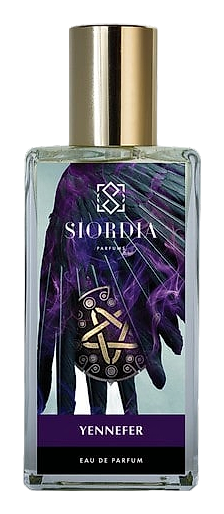
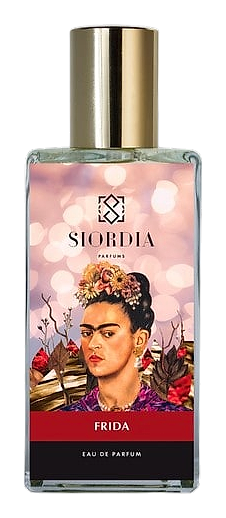
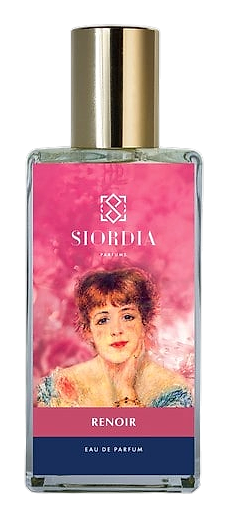
Renoir takes its name from Pierre-Auguste Renoir, the French impressionist painter whose work celebrated the immediacy of light, color, and the human form in motion. Rather than capturing the static perfection of a portrait, Renoir painted the way light hit skin, the blur of a gesture, the warmth of a moment dissolving before you could hold it. Ekaterina Siordia approached this fragrance the same way, capturing a sensation rather than a subject. The brief seems to have been: what does impressionism smell like? Not literal rose gardens or painter's turpentine, but the feeling of warmth and softness and color bleeding together at the edges. The result is a floral that moves, that shifts from the sharp citrus opening into something warmer and less defined, just as a Renoir canvas refuses to sit still.
What makes this composition work is the way the materials resist easy separation. In lesser hands, chocolate-rose reads as a gimmick, too literal, too sweet. Here, the dark chocolate never announces itself as chocolate. It appears as depth, as the shadow under the flowers, as the warmth that keeps the roses from floating into abstraction. The grapefruit in the opening isn't a top note that leaves; it's citrus brightness that becomes part of the iris powder that becomes part of the vanilla drydown. The whole thing moves as one continuous gesture, impressionist in structure as well as name.
The evolution
The opening hits bright and tart, grapefruit first, then the dark chocolate arriving like a shadow under the light. Within ten minutes, the roses begin to assert themselves, and the chocolate doesn't disappear so much as it deepens, becoming part of the floral rather than something separate from it. The heart is where Renoir earns its name: iris powder softens the roses, peony adds a fleshy sweetness, and the tuberose provides a creamy counterpoint that keeps everything from becoming too austere. By hour two, the composition has settled into its base, a warm, musky vanilla with patchouli underneath and a ghostly lily still contributing whiteness. The ambergris is subtle, more about fixative quality than marine animalic presence. On fabric, this fragrance lasts into the evening. On skin, it fades to a close, intimate warmth by hour five or six. The drydown smells like warm skin and the memory of flowers.
Cultural impact
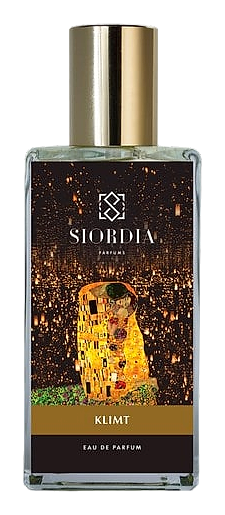
Siordia Parfums emerged from the Russian niche fragrance scene as a small independent house founded in 2016, positioning itself in a market segment that values artistic vision over mass-market appeal. Renoir, released in 2019, joined a portfolio of over 40 fragrances from the brand, each named after cultural or artistic references that signal a deliberate departure from conventional perfumery branding. The fragrance occupies a space where powdery florals meet dark gourmand warmth, a combination that appeals to collectors seeking complexity beyond mainstream offerings.