The Story
Why it exists.
The beginning
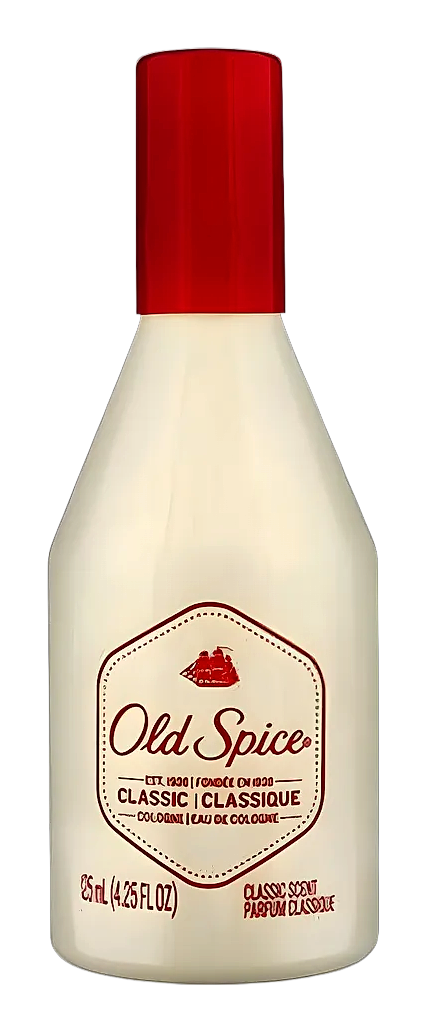
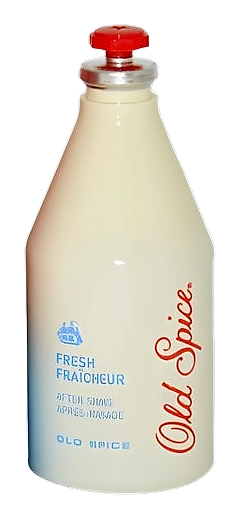
In 1938, Albert Hauck worked for Shulton Company, building something that would smell reliable from the morning shave through the evening, and cost enough to leave room for the rest of the week. The aldehydes gave it sophistication. Citrus and herbs hit first, then something warmer underneath took over. It didn't announce itself. It lasted.
What makes this structure interesting is the interplay between aldehydic brightness and aromatic warmth. The aldehydes lift the citrus. In the heart, clove and carnation push against the spice, creating warmth. The base is where the character settles. Cedarwood and vanilla arrive together, creating a powdery, resinous character. Tonka bean adds sweetness that invites.
The evolution
The opening announces itself in aldehydes and citrus, bright, crisp, almost soapy in the best way. The orange and lemon land first, followed by a wave of herbal warmth from clary sage. Aldehydes give the whole thing an effervescent quality, like the top notes are fizzing slightly. As the aldehydic sparkle starts to cede to the heart, the heart arrives with spice: clove and cinnamon, softened by geranium and carnation. Jasmine adds a floral depth that keeps the spices from feeling aggressive. The cinnamon especially lingers, a warm, dry heat that keeps the fragrance from going sweet. By the base, cedarwood and vanilla arrive together, creating a powdery-woody warmth that settles close to the skin. The frankincense and benzoin add resinous depth. Musk and ambergris keep everything grounded. The drydown fades quietly rather than disappearing.
Cultural impact
Old Spice Fresh offers consistency: the same structure, the same quiet authority, available at a price that doesn't require justification. Wearers describe it as the fragrance of someone who walks into a room and doesn't need to announce themselves. It's not competing with niche or luxury, it's operating in a different register entirely.