



The Heritage
The Story of Shulton Company
Shulton Company began as a modest American fragrance house in the 1930s, best known for launching the Old Spice line that still whispers through barbershops today. Over decades the brand expanded into both men’s and women’s grooming, introduced a handful of niche scents such as Insignia (1986) and Night Spice (1987), and eventually passed its legacy to larger conglomerates. The company’s story reflects a blend of mid‑century entrepreneurship and a steady commitment to recognizable, affordable aromatics.
Heritage
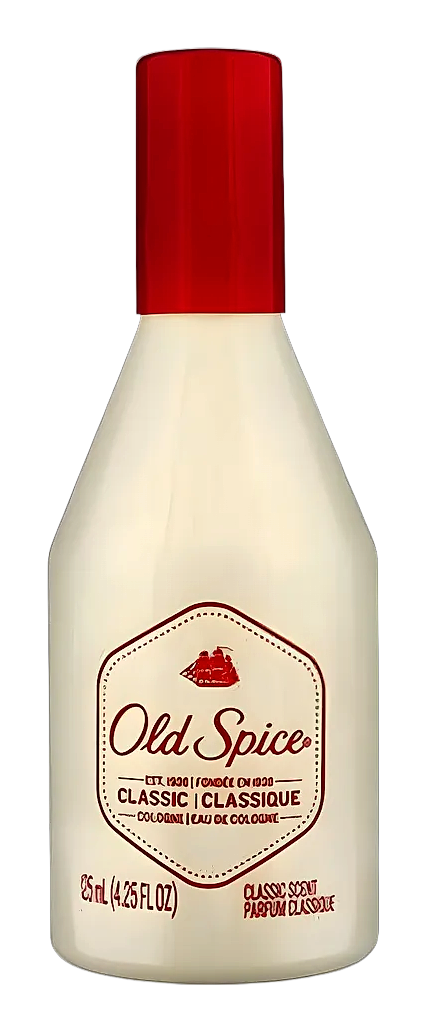
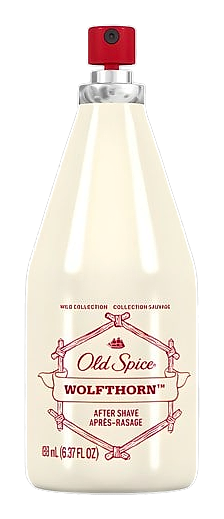
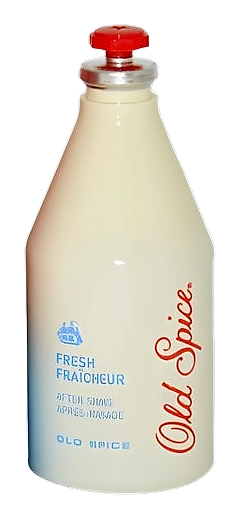
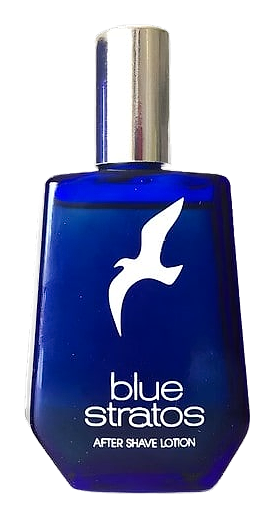
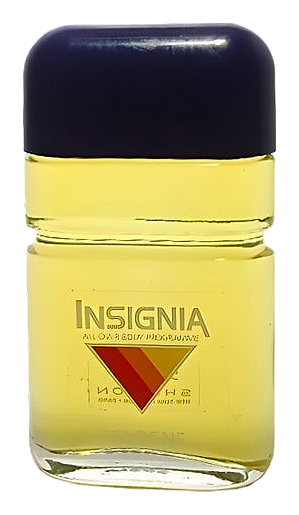
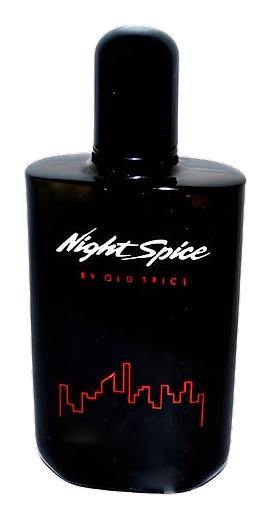
William Lightfoot Schultz founded Shulton Company in the mid‑1930s, with most historical accounts placing the launch in 1937 in Clifton, New Jersey. Schultz, who had previously worked in the soap and shaving market, saw an opening for a fragrance that could bridge the gap between traditional colognes and the emerging after‑shave culture. The first Old Spice after‑shave appeared in 1938, quickly becoming a staple on American pharmacy shelves. In the early 1940s Shulton broadened its portfolio by acquiring Leigh, Inc., a perfume house established by Charles Leigh in 1890; the purchase gave Shulton access to a library of classic aromatic ingredients and a modest women’s grooming line. Throughout the 1950s and 1960s the company rolled out new variations, including Old Spice Lime in 1966, which added a citrus twist to the classic scent. The 1970s saw experimental releases such as Blue Stratos (1974) and CIE by Jacqueline Cochran (1976), reflecting a willingness to explore niche themes while keeping the core Old Spice identity intact. By the 1980s Shulton introduced Insignia (1986) and Night Spice (1987), marking its final wave of original creations before a series of buyouts transferred ownership of the Old Spice brand to Procter & Gamble in the late 1980s. Though the Shulton name faded from retail, its early contributions to American grooming culture remain documented in fragrance archives and collector circles.
Craftsmanship
Production at Shulton combined classic American manufacturing with emerging mid‑century technologies. Early batches of Old Spice after‑shave were blended in small copper kettles, allowing perfumers to monitor temperature and evaporation rates closely. The company sourced many of its base notes from domestic suppliers, including citrus oils from Florida groves and musk extracts from regional farms, ensuring a reliable supply chain. After acquiring Leigh, Inc., Shulton incorporated a broader palette of European absolutes, such as jasmine and rose, into its women’s line, blending them with American ingredients in a hybrid approach. Quality control relied on both sensory panels and basic chemical testing, a practice documented in trade journals of the 1950s. By the 1970s, Shulton adopted aerosol technology for some deodorant variants, a shift that required new equipment and stricter safety protocols. Throughout its lifespan the company emphasized batch consistency; each fragrance carried a reference number that linked back to a master formula stored in the company’s archives. Even after the brand’s sale, collectors note that original Shulton bottles still retain the same scent profile, a testament to the durability of the original formulations and the care taken during production.
Design Language
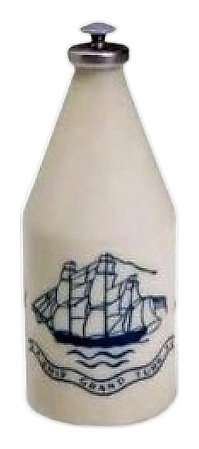
Shulton’s visual language mirrored its functional philosophy. Early bottle designs featured sturdy amber glass, simple caps, and clear labeling that highlighted the product name in bold, sans‑serif type. The Old Spice line adopted a nautical motif, with navy‑blue lettering and a red star that evoked a sense of rugged reliability. When the company introduced niche scents in the 1970s, the packaging took on more colorful palettes – Blue Stratos arrived in a cobalt‑tinted bottle with a silver spray nozzle, while CIE by Jacqueline Cochran used a sleek, chrome‑finished atomizer that hinted at aviation influences. The brand’s advertising often used straightforward photography: a well‑groomed man in a crisp shirt, a clean bathroom setting, or a stylized illustration of a spice jar. This minimal aesthetic reinforced the idea that the fragrance itself, not the packaging, was the star. Even today, vintage Shulton bottles are prized by collectors for their clean lines and understated elegance, reflecting a design ethos that prized durability and clarity over flash.
Philosophy
Shulton’s guiding principle was practicality wrapped in a hint of adventure. The company believed that a scent should work as hard as the person wearing it, delivering reliable freshness without pretension. Marketing materials from the era emphasized everyday confidence, positioning Old Spice as a tool for the modern man who valued both tradition and a subtle edge. When the brand ventured into women’s fragrances after the Leigh acquisition, it kept the same ethos: approachable aromas that complemented daily routines rather than overwhelming them. This pragmatic outlook guided product development, encouraging formulators to prioritize skin‑friendly ingredients and lasting performance over fleeting trends. Even as the portfolio expanded into more experimental releases, the underlying promise remained consistent – a fragrance that supports the wearer’s lifestyle while offering a recognizable, comforting scent signature.
Key Milestones
1937
Shulton Company founded by William Lightfoot Schultz in Clifton, New Jersey.
1938
Launch of Old Spice Original after‑shave, quickly becoming a bestseller in American pharmacies.
1943
Acquisition of Leigh, Inc., a perfume house founded in 1890, expanding Shulton’s women’s grooming portfolio.
1966
Introduction of Old Spice Lime, adding a citrus variant to the classic scent line.
1986
Release of Insignia, one of Shulton’s later niche fragrances aimed at a younger market.
Late 1980s
Series of buyouts transfer Old Spice brand ownership to Procter & Gamble, ending Shulton’s direct involvement in fragrance production.
At a Glance
Brand profile snapshot
Origin
United States
Founded
1937
Heritage
89
Years active
Collection
2
Fragrances released
Avg Rating
4.3
Community sentiment
Release Rhythm


