The Story
Why it exists.
The beginning
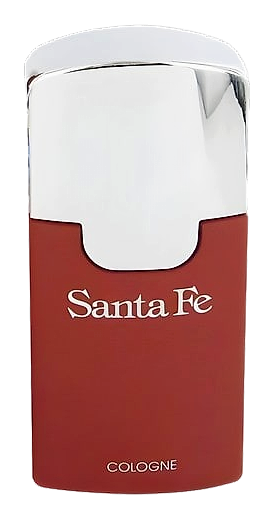
Santa Fe takes its name from the high-desert city in New Mexico, a place of striking light, adobe architecture, and a particular kind of American independence. The fragrance arrived in 1988 as part of Shulton's expansion beyond the Old Spice franchise, designed for men who wanted something with presence but without pretense. Where did the inspiration come from? A landscape. The idea of warmth stored in clay, woodsmoke on dry air, the quiet confidence of someone who knows where they're going. Santa Fe was Shulton's answer to the question every fragrance house eventually faces: what does a place smell like?
The note structure pulls this off without gimmicks. Sandalwood and patchouli are naturally long-lasting, they anchor a composition in a way citrus never could. Cinnamon adds warmth without sweetness, and the woody-spicy heart keeps everything grounded. The powdery accord is the quiet signature here, the detail that makes drydown feel familiar even if you've never worn this before. No accord fights for attention. The whole thing works because nothing overpowers.
The evolution
The opening announces itself quickly, cinnamon and warm spice arriving together, no hesitation. There's a brief window where it feels almost sharp, like the first moment of heat from a stove. Then the sandalwood and patchouli take over, softening everything into something that reads as powdery, worn, intimate. The heart phase is where this fragrance earns its reputation. It doesn't transform dramatically, it settles. Becomes part of the skin rather than sitting on top of it. By drydown, what remains is a quiet warmth. Woody. Slightly sweet. The kind of smell that lives in fabric for a day.
Cultural impact
Released in 1988, Santa Fe for Men sits at the end of an era when masculine confidence didn't require loudness. Before projection became a selling point, Shulton built scents for men who wanted presence without performance. The above-average longevity earned it a loyal following that still seeks it out.