
The Story
Why it exists.
The beginning
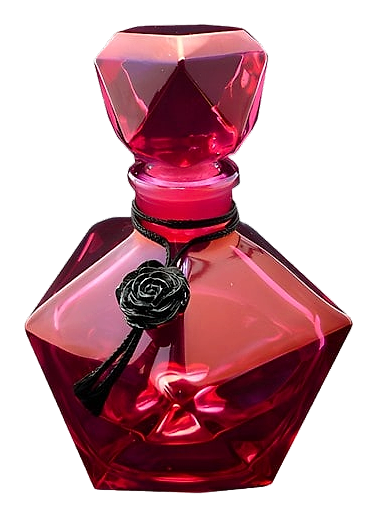
Rose Rouge arrived in 2005 as a limited Shiseido expression, composed by perfumer Nathalie Lorson. The name says everything, a red rose, unadorned. No metaphor, no misdirection. Lorson's task was to build a rose that felt contemporary without losing the flower's inherent softness, and to do it through the lens of Shiseido's Japanese restraint. The result is a fragrance that doesn't announce itself. It unfolds.
What sets Rose Rouge apart is the balance between its fruity opening and its powdery heart. Most rose fragrances lean one direction or another, either bright and girlish, or heavy and traditional. Here, blackberry and raspberry give the top a freshness that keeps the rose from feeling overripe, while heliotrope and iris push the heart into powder territory without tipping into vintage territory. The use of two rose origins, Bulgarian and Moroccan, adds subtle complexity. Bulgarian rose brings softness and sweetness; Moroccan rose brings a slightly spicier, earthier quality that prevents the composition from becoming too linear.
The evolution
The opening arrives bright, almost juicy. Blackberry and raspberry arrive together, their sweetness held in check by the green freshness of red peony. Bulgarian rose floats underneath from the first moment, not dominant yet, but present, lending a softness that keeps the fruit from becoming candy-like. This phase is intimate. It sits close to the skin, announcing itself only to the wearer. Twenty minutes in, the fruit begins to recede. What replaces it is the powdery heart, rose, but abstracted now, filtered through heliotrope's almond warmth and iris's velvety violet dust. This is where the fragrance earns its name. The rose has deepened into something richer, warmer, more intimate. The iris gives it that slightly powdery, slightly root-like complexity that makes the heart feel like more than just petals. The drydown is where the wood enters. Cedarwood and sandalwood form a clean, creamy base that anchors everything without heaviness. Musk adds warmth, the closeness of skin.
Cultural impact
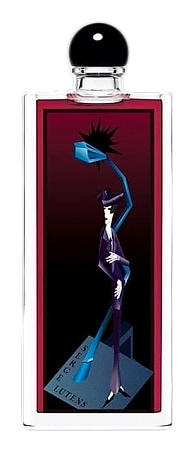
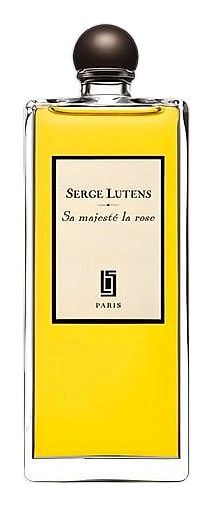
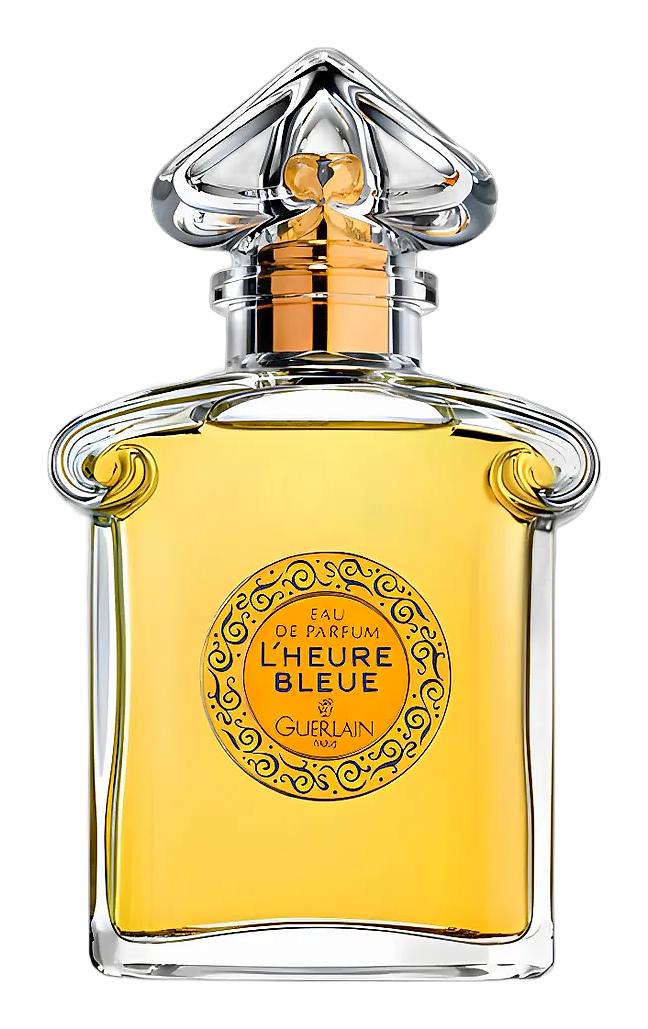
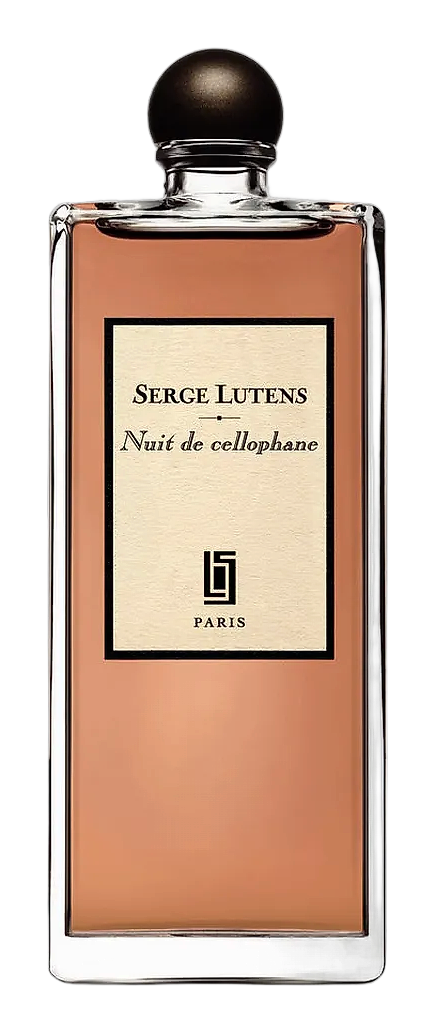
Rose Rouge occupies a quieter corner of the Shiseido catalogue, a limited 2005 release that flew under the radar compared to the brand's more commercial flankers. What it offers isn't blockbuster presence but something more nuanced: a rose that refuses to be predictable, anchored by iris and grounded by a woody base that keeps it from tipping into sentimentality. Wearers describe it as the fragrance of someone who doesn't need to be noticed to be remembered. It sits comfortably alongside Guerlain's L'Heure Bleue and Serge Lutens' La Fille de Berlin, fragrances that also treat powdery rose as a serious proposition rather than a nostalgic default. The 2005 launch date places it in a moment when the perfume industry was still figuring out how to make rose feel modern.