
The Story
Why it exists.
The beginning
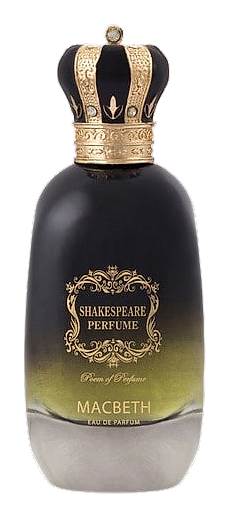
Macbeth takes its name from Shakespeare's most tragic figure, a character defined by the weight of consequence, the way ambition curdles into regret. The perfumer translated that psychological gravity into a composition that refuses to stay light. The scent moves beyond surface-level reference, instead embedding the drama directly into its structure. There's a deliberate heaviness to the blend that mirrors the play's relentless descent, an olfactory weight that settles on the skin like the weight of a crown worn too long.
The real structural surprise is the base. Fourteen base notes is unusual. But the layering here isn't chaos. It's accumulation. Each material adds a different texture to the same weight: leather's animal warmth, castoreum's almost-sweaty depth, oakmoss's damp earth, vanilla's sweetness fighting against the bitterness. The result is a foundation that feels genuinely complex, the kind that takes hours to fully reveal itself on skin. As the top notes fade, these base materials emerge in waves, each one adding another layer of depth to what came before.
The evolution
The opening is the most accessible moment, lavender and bergamot give it an aromatic, almost soapy clarity that reads clean at first. Then cumin pushes through, and things get interesting. That slightly feral, almostdirty edge appears as the heart notes arrive. Jasmine and violet try to soften it, but they're fighting against a foundation that wants to dominate. As the fragrance develops, leather and castoreum assert themselves, creating a deep, animalic presence that lingers. The scent evolves into a rich, layered experience where different elements reveal themselves in sequence. On fabric, the drydown carries a complex vanilla-and-oakmoss character that remains noticeable long after the initial application.
Cultural impact
Macbeth occupies an unusual space: a literary fragrance that commits to darkness rather than gesturing toward it. This one leans into leather, castoreum, and the uncomfortable intimacy of its name's legacy. Wearers tend to either find it overwhelming or consider it the most honest interpretation of the source material, a fragrance that understands guilt doesn't smell sweet.