Heritage
A house, in its own words
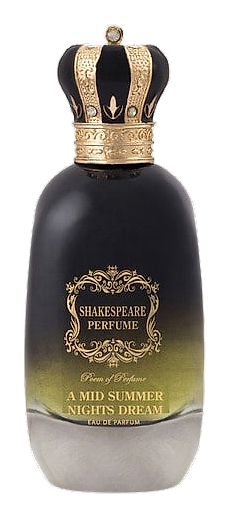
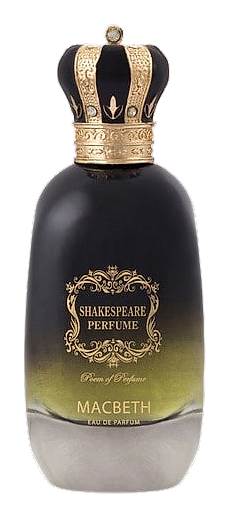
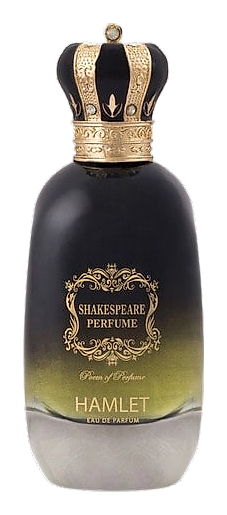
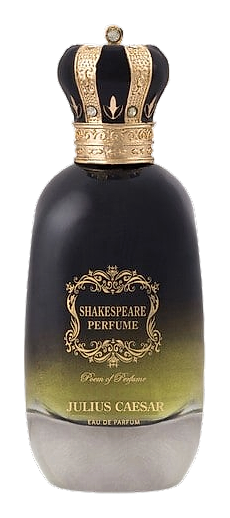
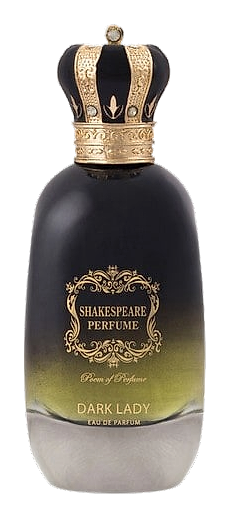
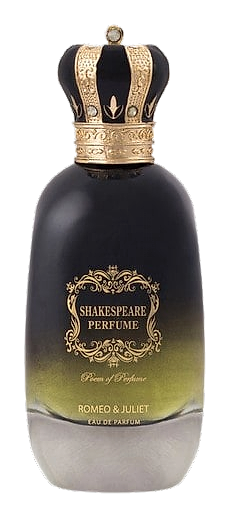
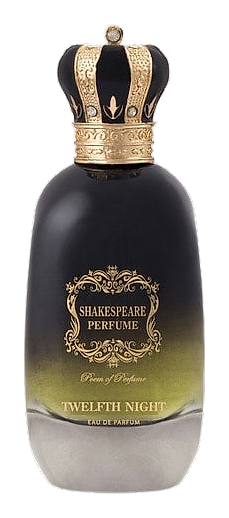
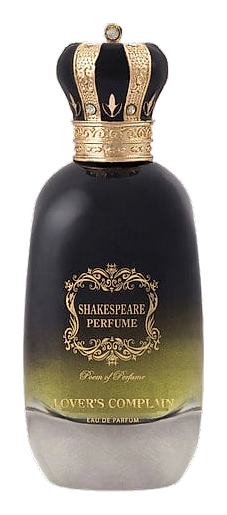
The documented history of Shakespeare Perfumes begins in 2017, when the brand reportedly released its first fragrance offerings including Hamlet, Dark Lady, Macbeth, and Romeo and Juliet. This initial collection drew immediately from Shakespeare's dramatic canon, selecting plays that span tragedies, comedies, and the so-called dark lady sonnets. The timing of the brand's emergence coincided with a broader cultural moment of renewed interest in theatrical and literary adaptations across consumer products. Unlike established fragrance houses with multi-century lineages, Shakespeare Perfumes entered the market as a relatively modest operation, without publicly announced founding members or traditional perfumery credentials. In 2018, the brand expanded its catalog with Lover's Complaint, A Midsummer Night's Dream, and Julius Caesar, demonstrating a sustained commitment to the Shakespearean theme through both popular and less frequently staged works. By 2019, Twelfth Night joined the collection, bringing the total catalog to eight named fragrances. The brand has not publicly disclosed information about manufacturing location, ingredient suppliers, or distribution channels, which limits verification of claims about production standards or creative processes. Available public information does not indicate participation in major fragrance industry awards or recognition from industry organizations such as The Fragrance Foundation. The absence of historical documentation comparable to heritage houses like Houbigant or The Crown Perfumery means that the brand's heritage consists primarily of its catalog release timeline and thematic choices rather than biographical or institutional history. The central philosophy of Shakespeare Perfumes rests on the premise that Shakespeare's written works contain sufficient emotional and atmospheric depth to inspire olfactory interpretation. The brand appears to operate from the assumption that fragrance can serve as a bridge between literary imagination and physical experience, allowing wearers to carry recognizable cultural references in a personal, sensory form. Rather than pursuing conventional fragrance marketing strategies that emphasize ingredient rarity or perfumer celebrity, the brand positions its literary source material as the primary creative driver. This approach suggests a philosophy that prioritizes cultural resonance over technical perfumery credentials. The selection of plays appears deliberate, encompassing the range of Shakespeare's emotional register from the tragic intensity of Hamlet and Macbeth to the romantic complications of Romeo and Juliet and the comedic entanglement of A Midsummer Night's Dream. The inclusion of Julius Caesar indicates an interest in the history plays, while Twelfth Night brings the comedies full circle. Dark Lady and Lover's Complaint reference the sonnets and narrative poems, expanding the literary scope beyond drama proper. This comprehensive approach suggests a reverence for the full breadth of Shakespeare's output rather than selective appropriation of the most commercially recognizable titles. The philosophy implies that every major Shakespeare work contains within it the seeds of a distinct olfactory world, whether derived from character psychology, setting, or narrative arc.