
The Story
Why it exists.
The beginning
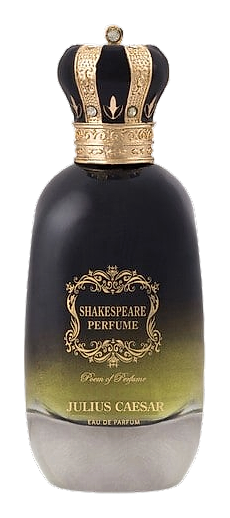
Julius Caesar arrived in 2018, part of Shakespeare Perfumes' ongoing project of translating the Bard's most iconic characters and moments into scent. The choice of Caesar makes sense within the brand's literary framework, the play deals in ambition, betrayal, and the weight of decisions made in rooms where no one can take them back. This fragrance doesn't try to smell like ancient Rome. It tries to smell like the feeling the play leaves behind: something warm that ended badly.
What makes this composition interesting is the structural tension between its opening and base. The saffron-jasmine opening is soft, almost intimate, white florals at their most vulnerable, the saffron lending a precious, slightly bitter edge that keeps the jasmine from becoming merely sweet. Then the base takes over: cedar and fir resin, conifer notes that smell like cold air and old wood. The contrast is deliberate. It's warmth giving way to something more honest, more durable. The ambergris and amberwood in the heart act as a bridge, warm, slightly animalic, they smooth the transition from floral intimacy to woody permanence.
The evolution
The opening is all saffron. That sharp, slightly metallic spice that arrives before you've had a chance to prepare. It lasts maybe twenty minutes, not aggressive, just insistent. Then the jasmine surfaces, creamy, a little narcotic, softened by the saffron rather than overwhelmed by it. This phase lasts the longest, maybe two to three hours, the white floral and amber materials creating a warmth that feels close to skin. The drydown is where the cedar arrives, dry and clean, followed by the fir resin adding a faint balsamic quality. By hour five or six, you're left with a quiet wood-and-resin trace, intimate rather than projected, present without announcing itself.
Cultural impact
This scent channels a lineage stretching back millennia. Jasmine arrived in Mediterranean perfumery through Arab traders, becoming central to French perfume traditions in Grasse, where it symbolized refinement and luxury across cultures from pharaonic Egypt to Victorian England. Saffron similarly traveled from ancient Persia through Rome, earning its place as a sign of wealth and prestige in religious ceremonies and royal courts. In combining these ingredients, Julius Caesar draws on two distinct traditions united by their association with status and sensory richness. These notes are not merely decorative; they carry cultural memory.