The Story
Why it exists.
The beginning
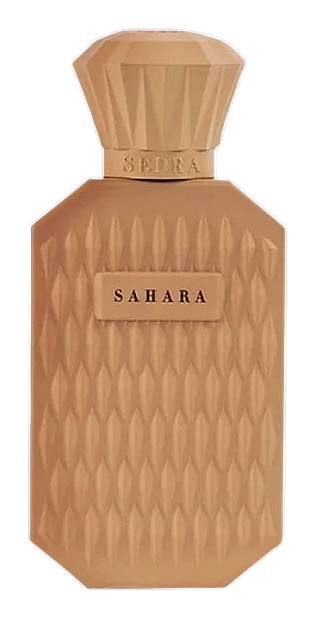
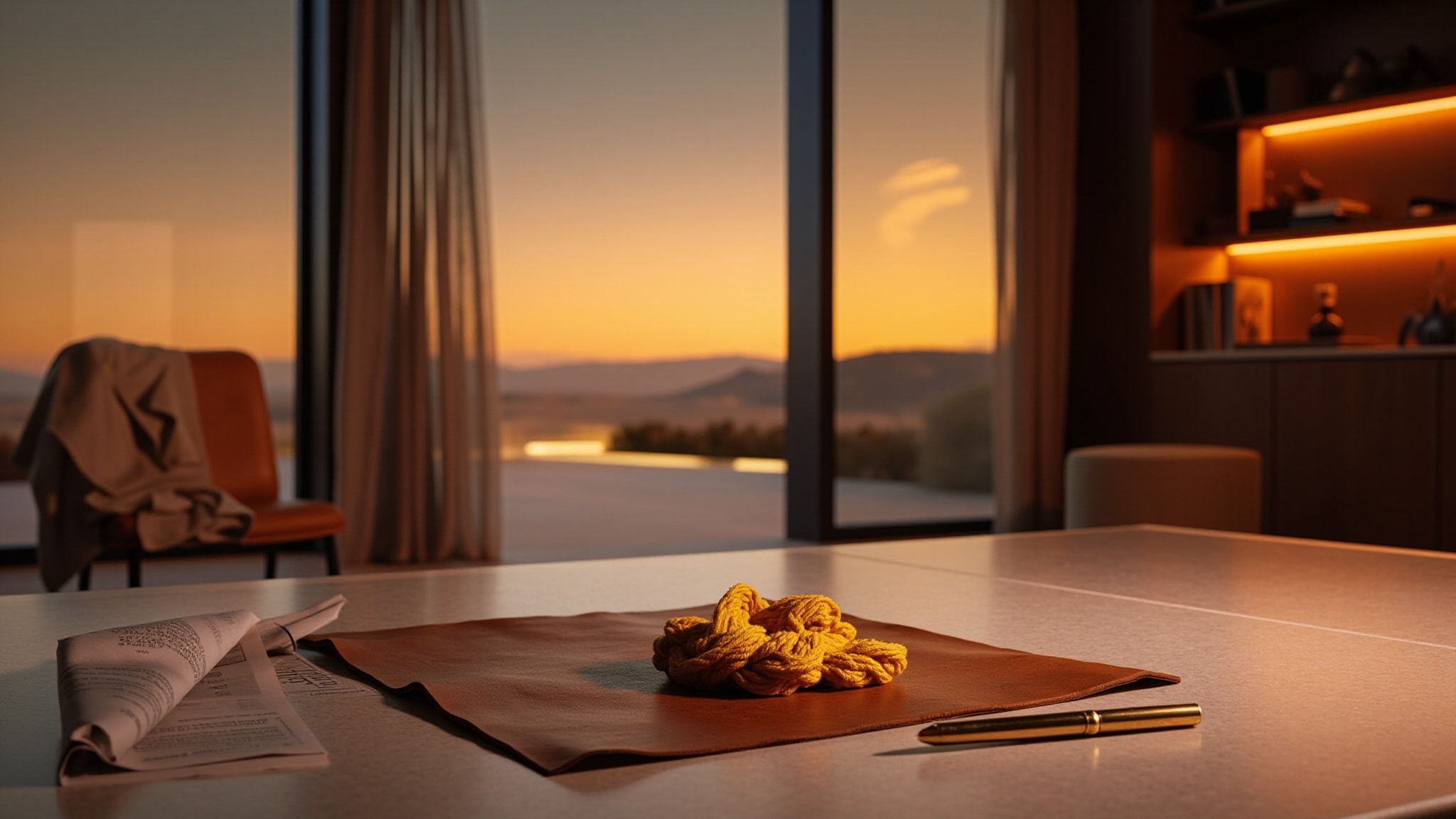
Sahara arrived in 2024 as part of Sedra Perfumes' Luxury Collection. The name points where you'd expect: a desert reference, heat and wind and the long amber hour when temperature drops but the day hasn't left. The composition leans into that territory with saffron, leather, and dried date, though it never plays like a postcard image of dunes and minarets. It's a scent about transition, the specific quality of light and air right before evening settles over a hot landscape, when the sky turns copper and the ground holds onto the last of its warmth. The saffron arrives first, almost peppery and slightly bitter, then the leather unfolds underneath, dry and cured, with a quality that reads more like worn saddle than polished boutique.
What makes Sahara work isn't the spice itself. It's the structure. Saffron and leather open together, a pairing that usually announces itself as either rough or smoky. Here the jasmine lifts the leather's edge and the bergamot cools the saffron just enough to keep it from going medicinal. Then the heart does something quieter: dried date, an unusual gourmand note that carries the sweetness of fig without the syrup, paired with lily of the valley's airy lift and a soft white vanilla. It's a bridge between Arabian tradition and contemporary sweetness that most houses either overcorrect on one side or the other.
The evolution
The first hour is the loudest. Saffron and leather announce the composition with real projection, that warm-spicy dry bite that fills a doorway when you walk through it. Jasmine threads through the leather without softening it too much, more like a flicker of light than a veil. Bergamot does its job at the top and leaves cleanly. By the second hour the saffron has burned off and the date-vanilla heart has taken over, pulling the scent toward something rounder, sweeter, almost edible. This is the phase where strangers lean closer. The third hour and beyond, cedarwood and sandalwood lock in, tonka adds a soft resinous warmth, and the musk underneath keeps everything close to skin. It doesn't disappear. It just stops shouting. The next morning, on a sweater or scarf, you'll catch a ghost of vanilla and sandalwood that still reads as Sahara, not as something generic.
Cultural impact
Sahara wears with the warmth and projection people expect from the genre, but the dried-date-and-lily-of-the-valley heart keeps it from feeling like a pastiche of older Arabian-inspired fragrances. It's a composition that knows its reference points and uses them without over-explaining them. On skin, the opening registers as bold and spiced, with that saffron hitting immediately, almost like the first breath of heat when you step outside into an already warm day.