
The Story
Why it exists.
The beginning
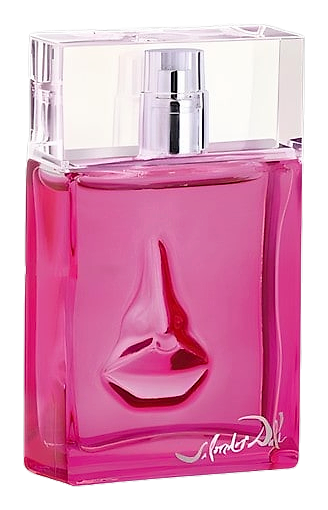
Sun & Roses arrived in 2013, created by perfumer Dorothée Piot. The composition centers on a classic floral-fruity structure, executed with precision and ease. From the first spray, the fragrance opens with bright, clean citrus notes that feel immediately inviting. The heart reveals a rose accord that is both lush and refined, with supporting florals that add depth without overwhelming. There's a satisfying fullness to the blend, a richness that comes from careful layering rather than heavy-handedness. The result is a fragrance that wears its femininity without apology, balancing vibrancy with a softness that feels effortless and natural. Every element has room to breathe, yet the overall effect is cohesive and distinctly modern.
What makes Sun & Roses interesting is its refusal to complicate things. The pyramid is clean: citrus fruit up top to open bright, a floral heart that leans on rose and violet for a powdery softness, then a base of woody and musky materials that keep the sillage close and warm. The violet in the heart is the quiet tell, it gives the florals a cool, slightly powdery finish that prevents the rose from going heavy. Combined with the lily of the valley's green delicacy, the heart keeps the composition from tipping into sweetness overload.
The evolution
The opening is quick and bright. Pink grapefruit and bergamot arrive together, sharp and clean, with the apple adding a soft roundness underneath. The heart takes over as the initial citrus fades, rose and violet assert themselves, with lily of the valley keeping the florals from getting heavy. This is the phase that defines the fragrance. Cedar and sandalwood ground the florals, vanilla and white musk lift everything into something soft and close. By the end, it's skin-warm and intimate. The sillage remains present to the wearer throughout the wear cycle, neither overpowering nor disappearing entirely. On clothing, the scent leaves a quiet impression that carries into later hours.
Cultural impact
Sun & Roses arrived during a period when designer fragrances favored accessibility over artistry. Rather than chasing niche exclusivity, Salvador Dalí's brand positioned this scent for everyday wear, embracing the fruity-floral mainstream without apology. The fragrance reflects a broader cultural moment when luxury became increasingly attainable, and perfumery served as a gateway to indulgence for a wider audience. Its floral-fruity structure deliberately intersected with mainstream tastes while maintaining a level of craft that distinguished it from pure commercial fragrance.