The Story
Why it exists.
The beginning
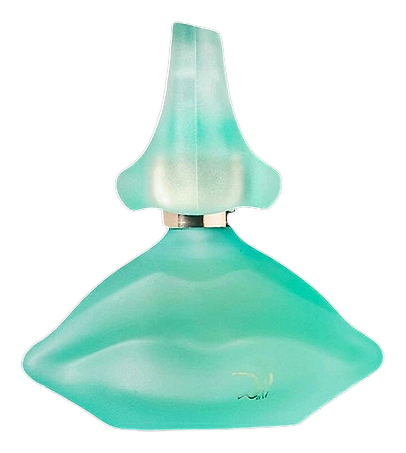
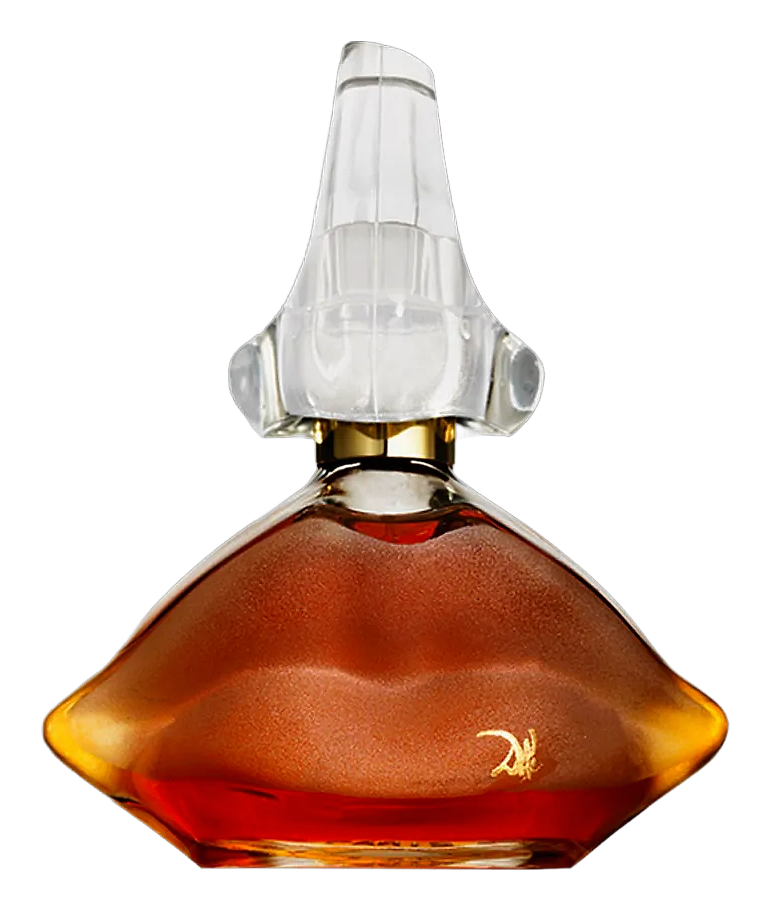
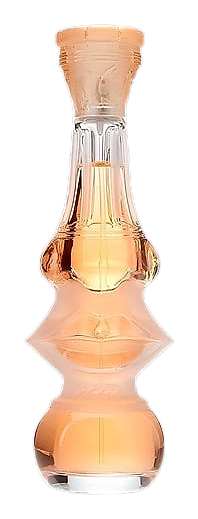
Dalissime arrived in 1994 as a tribute to Gala Salvador Dalí, born in 1894, the centenary of her birth. The Spanish surrealist's wife and muse had already inspired the house's first fragrance in 1983, but this one carried a specific charge: a woman who had shaped one of the 20th century's most provocative artistic imaginations, now honored in scent. Mark Buxton built the composition around stone fruits and soft florals, a palette that felt intimate rather than loud, and the bottle took its visual cue from Dali's 1946 painting 'Christmas', warm, saturated, and deliberately theatrical.
What makes Dalissime's structure interesting is the collision between ripe fruit and slightly bitter florals. Marigold, or tagetes, is not a common heart note. It's herbaceous, almost green, with a peppery edge that cuts through the sweetness of the peach and apricot opening. Most fruity-florals lean entirely into softness; this one has a structural argument happening in the middle. The lily of the valley keeps the heart grounded and cool, while the vanilla-amber base swings the whole composition back toward warmth. It's a fragrance that makes sense as a continuous arc rather than a collection of isolated notes.
The evolution
The opening hits bright and juicy, plum and pineapple arriving first, almost cartoonish in their sweetness. Thirty seconds in, the tagetes wakes up and adds that herbaceous jolt, keeping the fruit from becoming syrupy. By the time you hit the ten-minute mark, the lily of the valley and rose are doing the real work, a cool, slightly soapy floral that bridges the gap between fruit and base. The drydown is where Dalissimo earns its reputation: warm vanilla and tonka bean settle close to the skin, with sandalwood lending a soft woodiness and musk keeping everything intimate. On most skin, expect four to six hours. On fabric, it can last into the next day, that warm, powdery ghost of a scent clinging to a scarf or a pillowcase.
Cultural impact
Dalissimo occupies a particular corner of 1990s perfumery: the fruity-floral that smelled like a specific memory, someone's mother, a grandmother's vanity, the woman at the front of the room who always smelled warm and familiar. It wasn't designed to be avant-garde; it was designed to be loved. And it has been, for thirty years. The fragrance sits comfortably alongside other 1990s classics that prioritized warmth and accessibility over projection and power, compositions that understood femininity as something soft and architectural, not loud and performative. Dalissimo's cultural place is in that warm, powdery, immediately recognizable territory: the scent people describe as 'like coming home.'