
The Story
Why it exists.
The beginning
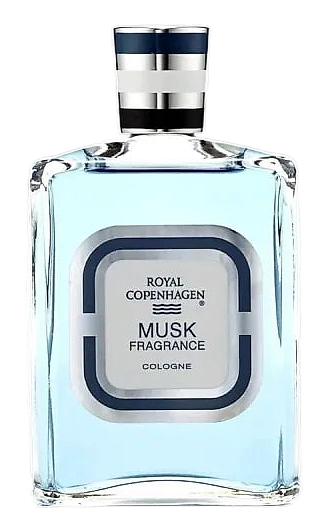
Royal Copenhagen launched its first fragrance in 1970, extending the porcelain house's visual language into an olfactory form. The Musk Cologone arrived four years later, in 1974, taking the house's Danish design principles, clean lines, functional beauty, restrained ornamentation, and applying them to a classic masculine structure. The brief was simple: a cologne that smelled like it had been considered, not just assembled. Lavender and herbal top notes, a floral heart, and a musky base that could hold the composition together without heaviness. The result was an aromatic fougère that fit the era's sensibility while building in enough substance to outlast it.
What makes this work is the balance between the herbal opening and the powdery close. Most fougères of the period leaned into sharp citrus or heavy animalic notes to anchor their lavender. Here, the perfumer chose a different route: the heart notes do the heavy lifting. Jasmine and lily of the valley don't compete with the lavender, they extend it, softening the herbaceous edge into something that reads as green rather than sharp. Then the base arrives: musk and oakmoss providing the powdery signature, while cloves and nutmeg add warmth without sweetness. Patchouli grounds everything, keeping the drydown from floating into abstraction. It's a pyramid that actually communicates across its layers.
The evolution
The opening doesn't tease or delay. Lavender and sage arrive together, with basil lending a slight anise-like greeness that prevents the combination from reading as medicinal. You get ten minutes of this, clean, herbal, quietly confident. Then the florals begin their slow takeover. Neroli opens the transition, its orange blossom bitterness cutting through the lavender, followed by jasmine adding sweetness and lily of the valley bringing a dewy, almost metallic freshness. By the thirty-minute mark, the composition has shifted entirely: the herbs are still there but muted, the florals leading. The drydown is where the musk earns its name. Oakmoss and amber create that classic powdery signature, the smell of a well-made bar of soap, the kind that stays on skin rather than disappearing into it. Cloves and nutmeg add a warmth that keeps the base from reading as flat. On most skin types, this stage lasts four to six hours. On fabric, longer.
Cultural impact
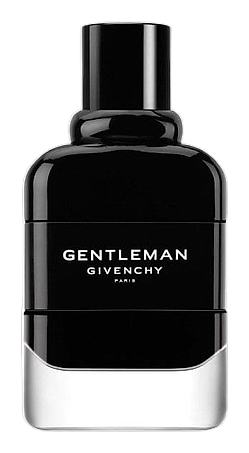
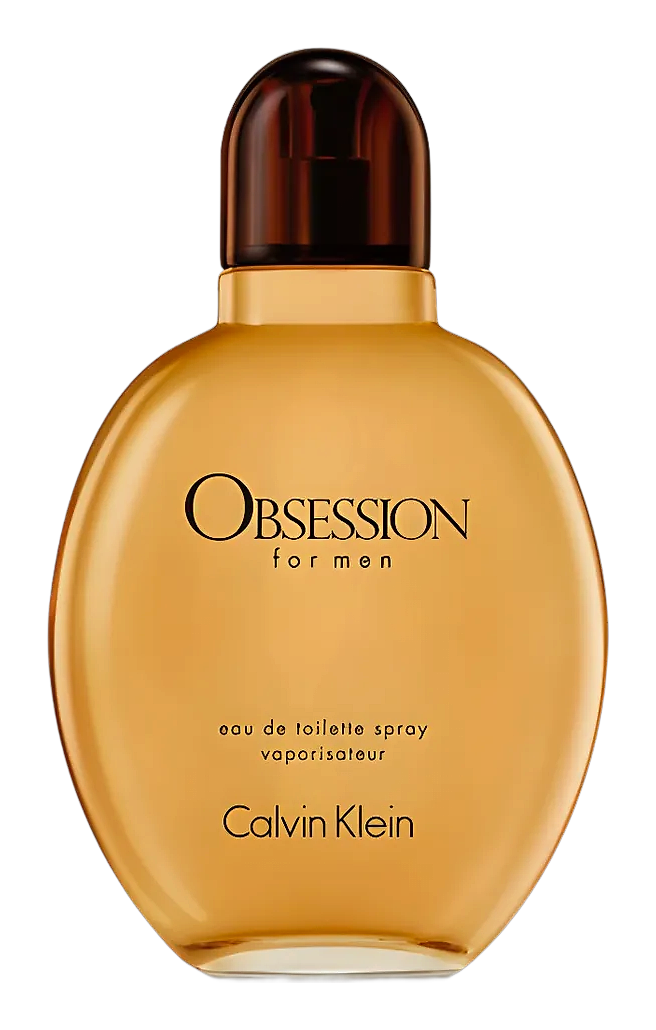
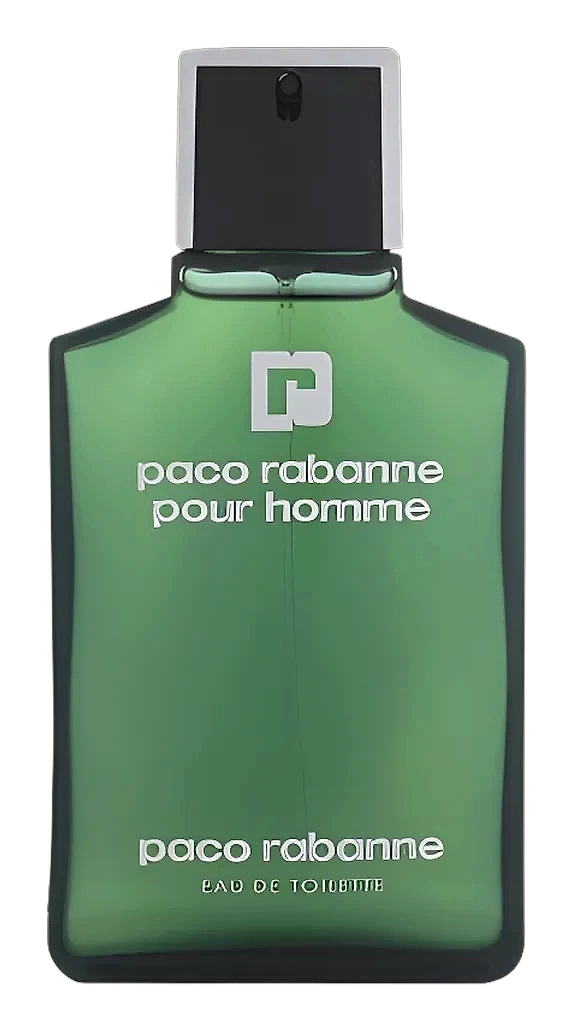
Royal Copenhagen Musk occupies a specific corner of masculine fragrance history: the post-revolution 1970s, when the fougère was being redefined from its 1960s barbershop origins into something more complex. It's not as famous as Brut or Halston Z14, but wearers who find it tend to stay loyal. The powdery drydown and the clean herbal opening create a fragrance that reads as masculine without aggression, the kind of scent that suggests a man who got dressed without overthinking it. Compared to its peers on the community's comparison list, Kouros, Drakkar Noir, Cool Water, it occupies a quieter register. Not a statement fragrance. Something more patient.