
The Story
Why it exists.
The beginning
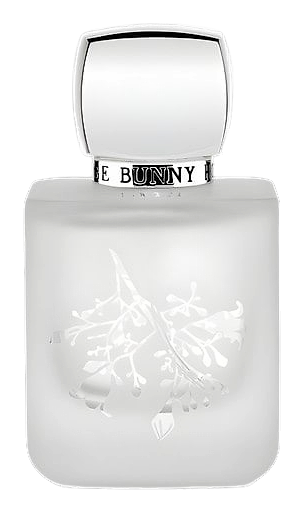
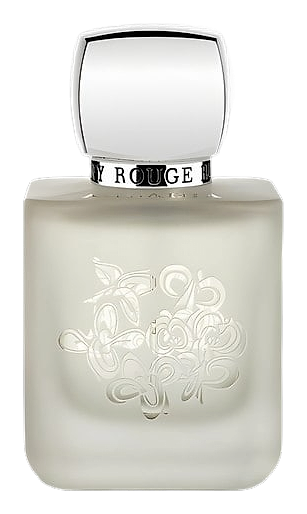
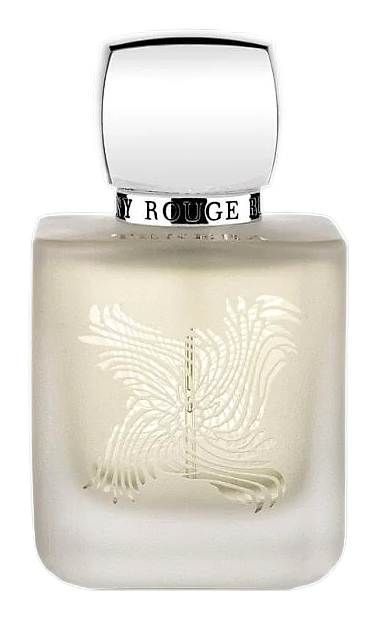
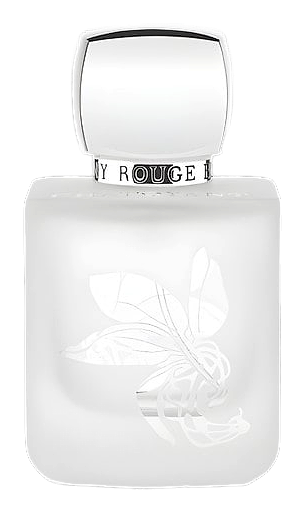
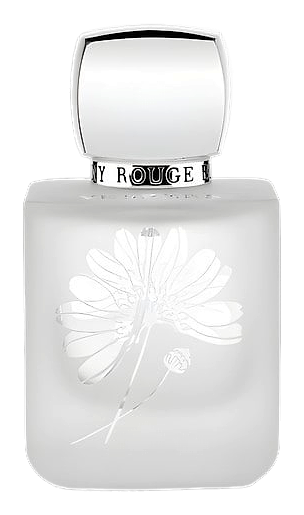
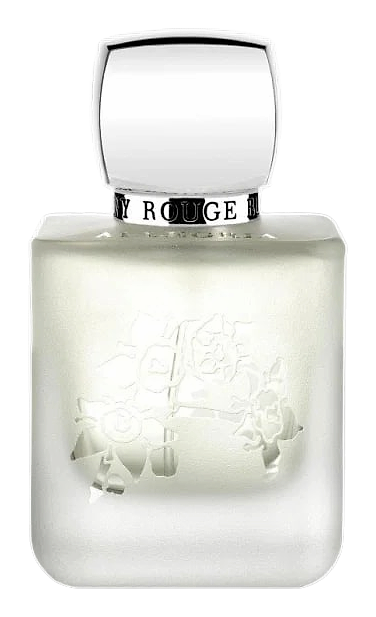
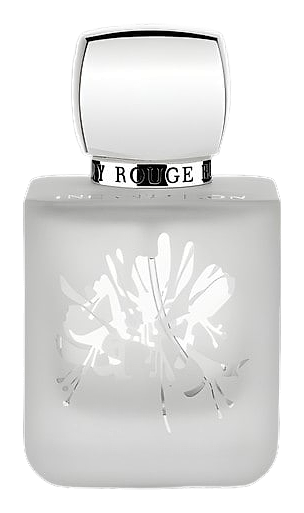
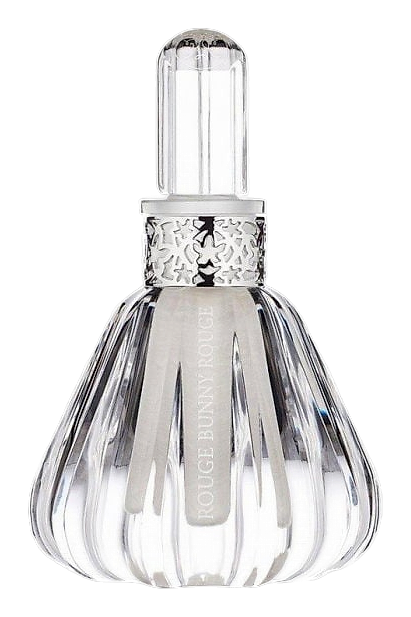
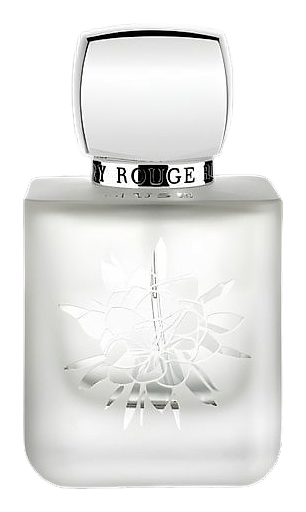
Muse arrived in 2014 from Rouge Bunny Rouge, a Moscow-based cosmetics brand that extends its creative vision into fragrance. Nathalie Lorson composed the fragrance, working from the house's brief to create something luminous yet grounded. The blend opens with bright citrus and delicate florals, the initial impression fresh and airy, before settling into a richer heart where rose and jasmine mingle with subtle warmth. The dry-down reveals a sophisticated interplay between soft woods and gentle musk, giving the scent its staying power without heaviness. The name says it all: this is a fragrance about inspiration, about the moment when an idea takes hold and won't let go. Not a muse as in decoration, a muse as in force.
What makes Muse structurally interesting is its refusal to resolve cleanly. The pyramid stacks white florals against green stems, then lets jasmine absolute bridge into something darker. Labdanum and moss pull the composition earthward while ambergris introduces an animalic dimension most modern florals avoid entirely. The base layers cedar and oud, two woods with very different textures, against musk and more ambergris. The result is a fragrance that reads differently on the first hour versus the sixth. Most commercial florals end where they begin. Muse keeps changing its mind.
The evolution
The opening hits immediately: bergamot and green notes create a bright, almost astringent top that clears the air. Within minutes, gardenia and freesia bloom through it, creamy but never soft, given edge by the green underneath. Jasmine arrives to deepen everything, introducing warmth that wasn't there at first. This middle phase lasts a few hours and is the most conventionally beautiful part. Then the base begins to assert itself. Ambergris becomes noticeable, salty, animalic, slightly dirty in the way good ambergris should be. Moss adds an earthy counterpoint. Cedar and oud ground the florals, preventing the whole thing from floating away. By hour four or five, you're wearing something resinous and close to the skin. The next morning, there's a trace, not the florals but the woody-animalic drydown, still present if you press your wrist to your nose.
Cultural impact
Muse stands out for its balance of brightness and depth, a floral composition that avoids the expected while remaining accessible. The fragrance layers soft rose with green tea and subtle wood notes, creating an impression that shifts from crisp to creamy as it develops on the skin. Unlike fragrances that announce themselves loudly, this one rewards close attention, revealing its nuances gradually over several hours. The sillage is moderate, making it suitable for everyday wear while still offering enough presence to be noticed by those nearby.