
The Story
Why it exists.
The beginning
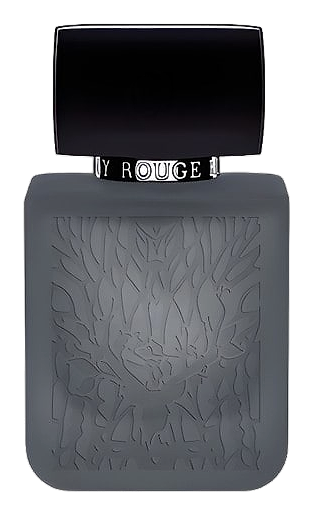
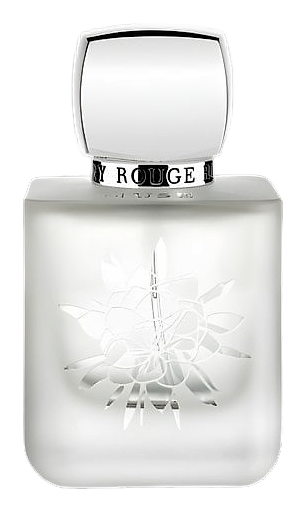
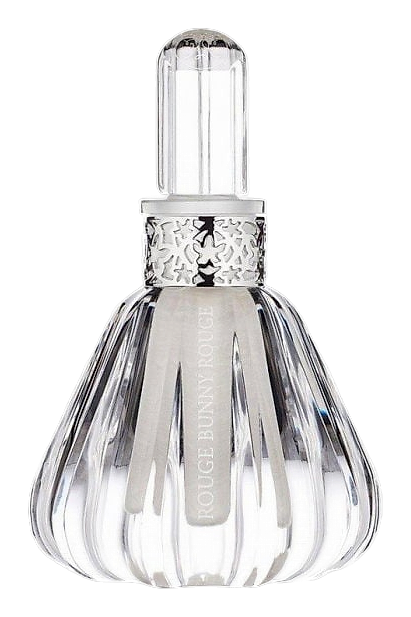
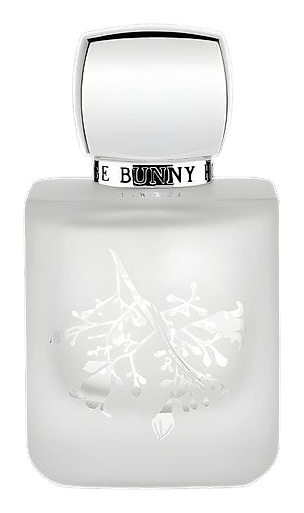
Lilt arrived in 2012 as part of the Fragrant Confections collection, a trio completed by Chatoyant and Vespers. The collection was built around preserved memories and the sensory echoes of nature frozen in winter. Rouge Bunny Rouge, under Alexandra de Montfort's creative direction, approached each scent as a portal into an imagined space. Lilt was conceived as the greenest possible translation of that concept: a fragrance that smelled like memory made literal, like walking into a garden you'd forgotten existed.
The note structure is unusual. Most green fragrances open bright and surrender to florals or woods. Lilt keeps its fig leaf note as an undertone throughout, threading green sap and crushed leaf beneath the sweetness. The heart combines lactonic notes (coconut) with fruit (peach) and powdery florals (violet) in a way that could tip into synthetic territory, but doesn't. The vetiver and musk base is sparse, almost minimal, which means the green never fully disappears. It just stops being aggressive and becomes structural. That's the interesting choice here: green as architecture, not decoration.
The evolution
The opening hits hard. Fig leaf crushed between fingers, green sap and cut stems. For the first twenty minutes, it's sharp enough to be almost medicinal. Then the heart arrives. Peach and coconut emerge, softened by violet, and suddenly the fragrance transforms from aggressive to almost fragile. The green doesn't disappear, it retreats to the background, becoming an undertone rather than the main character. The drydown is vetiver and musk, warm and close to the skin. On skin, it projects most in the first hour then settles intimate. On clothing, it lingers longer, becoming a quiet green presence that lasts until evening. The next day, a faint musk remains.
Cultural impact
Rouge Bunny Rouge arrived as an artisanal perfumery that treated each release as a chapter in an ongoing theatrical narrative. Their approach positioned each fragrance as an atmospheric story, inviting wearers into a carefully constructed world where scent became narrative. Lilt, released in 2012, stands as a quiet landmark within this catalog, a green-fruity-lactonic composition that earned a respected place among fragrance enthusiasts seeking something outside the mainstream.
The House
Rouge Bunny RougeRouge Bunny Rouge is a Moscow-based fragrance and cosmetics house founded by Alexandra de Montfort, who serves as Creative Director. The brand occupies a distinctive position in contemporary perfumery, treating scent as an expressive medium rather than a commercial product. Each fragrance functions as an olfactory narrative, inviting wearers into imagined worlds drawn from myth, nature, and the subconscious. The house operates with deliberate restraint, releasing new compositions sparingly rather than pursuing constant market expansion. This approach has cultivated a devoted following among collectors and fragrance enthusiasts who value artistic integrity over industry trends.
The Creator
Shyamala MaisondieuHer olfactive signature is dramatic and romantic, with a poetic inventiveness that sets her apart. She has a particular affinity for iris, a notoriously difficult and expensive material that appears frequently in her creations.